
Articoli correlati a Dialogues and Letters
Sinossi
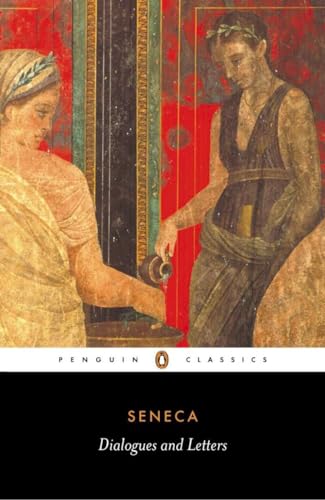
Scrittore importante e figura di spicco nella vita pubblica di Roma, Seneca (c. 4 a.C.-65 d.C.) è annoverato tra i maestri più eloquenti e influenti della prosa latina. Questa selezione esplora i suoi pensieri sulla filosofia e le prove della vita. Nella Consolazione a Elvia si sforza di offrire conforto alla madre, dopo il suo esilio nel 41 d.C., mentre Sulla brevità della vita e Sulla tranquillità della mente sono esplorazioni lucide e avvincenti del pensiero stoico. Spiritose e autocritiche, le Lettere, scritte al suo giovane amico Lucilio, esplorano la lotta di Seneca per acquisire saggezza filosofica. Un'affascinante intuizione su una delle più grandi menti dell'antica Roma, queste opere hanno ispirato scrittori e pensatori tra cui Montaigne, Rousseau e Bacone, e continuano a incuriosire e illuminare.
Le informazioni nella sezione "Riassunto" possono far riferimento a edizioni diverse di questo titolo.
Informazioni sull'autore
Lucius Annaeus Seneca, statesman, philosopher, advocate and man of letters, was born at Cordoba in Spain around 4 BC. He rose to prominence in Rome, pursuing a career in the courts and political life, for which he had been trained, while also acquiring celebrity as an author of tragedies and essays. Falling foul of successive emperors (Caligula in AD 39 and Claudius in AD 41), he spent eight years in exile, allegedly for an affair with Caligula’s sister. Recalled in AD 49, he was made praetor and was appointed tutor to the boy who was to become, in AD 54, the emperor Nero. On Nero’s succession, Seneca acted for some eight years as an unofficial chief minister. The early part of this reign was remembered as a period of sound government, for which the main credit seems due to Seneca. His control over Nero declined as enemies turned the emperor against him with representations that his popularity made him a danger, or with accusations of immorality or excessive wealth. Retiring from public life he devoted his last three years to philosophy and writing, particularly the Letters to Lucilius. In AD 65 following the discovery of a plot against the emperor, in which he was thought to be implicated, he and many others were compelled by Nero to commit suicide. His fame as an essayist and dramatist lasted until two or three centuries ago, when he passed into literary oblivion, from which the twentieth century has seen a considerable recovery.
Le informazioni nella sezione "Su questo libro" possono far riferimento a edizioni diverse di questo titolo.
Risultati della ricerca per Dialogues and Letters

Foto dell'editore
Dialogues and Letters
Da: ThriftBooks-Dallas, Dallas, TX, U.S.A.
Valutazione del venditore 5 su 5 stelle

Paperback. Condizione: Fair. No Jacket. Readable copy. Pages may have considerable notes/highlighting. ~ ThriftBooks: Read More, Spend Less. Codice articolo G0140446796I5N00
Compra usato
EUR 11,50
Spedizione gratuita
Spedito in U.S.A.
Spedito in U.S.A.
Quantità: 1 disponibili
Foto dell'editore
Dialogues and Letters Penguin
Da: World of Books (was SecondSale), Montgomery, IL, U.S.A.
Valutazione del venditore 5 su 5 stelle
Condizione: Acceptable. Item in Acceptable condition. Textbooks may not include supplemental items i.e. CDs, access codes etc. Codice articolo 00110402979
Compra usato
EUR 11,54
Spedizione gratuita
Spedito in U.S.A.
Spedito in U.S.A.
Quantità: 1 disponibili
Immagini fornite dal venditore
Dialogues and Letters (Penguin Classics)
Da: WeBuyBooks, Rossendale, LANCS, Regno Unito
Valutazione del venditore 5 su 5 stelle
paperback. Condizione: Very Good. Most items will be dispatched the same or the next working day. A copy that has been read, but is in excellent condition. Pages are intact and not marred by notes or highlighting. The spine remains undamaged. Codice articolo rev7471746082
Compra usato
EUR 6,19
Spedizione EUR 5,57
Spedito da Regno Unito a U.S.A.
Spedito da Regno Unito a U.S.A.
Quantità: 1 disponibili
Foto dell'editore
Dialogues and Letters
Editore:
Penguin Books Ltd, 1997
ISBN 10: 0140446796
ISBN 13: 9780140446791
Antico o usato
Paperback
Da: World of Books Inc, Montgomery, IL, U.S.A.
Valutazione del venditore 4 su 5 stelle

Paperback. Condizione: Fair. A major writer and a leading figure in the public life of Rome, Seneca (c. 4BC-AD 65) ranks among the most eloquent and influential masters of Latin prose. This selection explores his thoughts on philosophy and the trials of life. In the Consolation to Helvia he strives to offer solace to his mother, following his exile in AD 41, while On the Shortness of Life and On Tranquillity of Mind are lucid and compelling explorations of Stoic thought. Witty and self-critical, the Letters - written to his young friend Lucilius - explore Seneca's struggle to acquire philosophical wisdom. A fascinating insight into one of the greatest minds of Ancient Rome, these works inspired writers and thinkers including Montaigne, Rousseau, and Bacon, and continue to intrigue and enlighten. Codice articolo CIN0140446796A
Compra usato
EUR 13,33
Spedizione gratuita
Spedito in U.S.A.
Spedito in U.S.A.
Quantità: 1 disponibili
Immagini fornite dal venditore
Dialogues and Letters
Da: GreatBookPrices, Columbia, MD, U.S.A.
Valutazione del venditore 5 su 5 stelle
Condizione: New. Codice articolo 638037-n
Compra nuovo
EUR 11,80
Spedizione EUR 2,30
Spedito in U.S.A.
Spedito in U.S.A.
Quantità: 2 disponibili
Immagini fornite dal venditore
Dialogues and Letters
Da: Rarewaves.com USA, London, LONDO, Regno Unito
Valutazione del venditore 5 su 5 stelle
Paperback. Condizione: New. A major writer and a leading figure in the public life of Rome, Seneca (c. 4BC-AD 65) ranks among the most eloquent and influential masters of Latin prose. This selection explores his thoughts on philosophy and the trials of life. In the Consolation to Helvia he strives to offer solace to his mother, following his exile in AD 41, while On the Shortness of Life and On Tranquillity of Mind are lucid and compelling explorations of Stoic thought. Witty and self-critical, the Letters - written to his young friend Lucilius - explore Seneca's struggle to acquire philosophical wisdom. A fascinating insight into one of the greatest minds of Ancient Rome, these works inspired writers and thinkers including Montaigne, Rousseau, and Bacon, and continue to intrigue and enlighten. Codice articolo LU-9780140446791
Compra nuovo
EUR 14,17
Spedizione gratuita
Spedito da Regno Unito a U.S.A.
Spedito da Regno Unito a U.S.A.
Quantità: 2 disponibili
Immagini fornite dal venditore
Dialogues and Letters
Da: Rarewaves USA, HEBRON, KY, U.S.A.
Valutazione del venditore 5 su 5 stelle
Paperback. Condizione: New. A major writer and a leading figure in the public life of Rome, Seneca (c. 4BC-AD 65) ranks among the most eloquent and influential masters of Latin prose. This selection explores his thoughts on philosophy and the trials of life. In the Consolation to Helvia he strives to offer solace to his mother, following his exile in AD 41, while On the Shortness of Life and On Tranquillity of Mind are lucid and compelling explorations of Stoic thought. Witty and self-critical, the Letters - written to his young friend Lucilius - explore Seneca's struggle to acquire philosophical wisdom. A fascinating insight into one of the greatest minds of Ancient Rome, these works inspired writers and thinkers including Montaigne, Rousseau, and Bacon, and continue to intrigue and enlighten. Codice articolo LU-9780140446791
Compra nuovo
EUR 14,30
Spedizione gratuita
Spedito in U.S.A.
Spedito in U.S.A.
Quantità: 8 disponibili
Immagini fornite dal venditore
Dialogues and Letters
Da: GreatBookPrices, Columbia, MD, U.S.A.
Valutazione del venditore 5 su 5 stelle
Condizione: As New. Unread book in perfect condition. Codice articolo 638037
Compra usato
EUR 12,48
Spedizione EUR 2,30
Spedito in U.S.A.
Spedito in U.S.A.
Quantità: 2 disponibili
Foto dell'editore
Dialogues and Letters Format: Paperback
Editore:
Penguin Random House, 1997
ISBN 10: 0140446796
ISBN 13: 9780140446791
Antico o usato
Brossura
Da: INDOO, Avenel, NJ, U.S.A.
Valutazione del venditore 5 su 5 stelle
Condizione: As New. Unread copy in mint condition. Codice articolo RH9780140446791
Compra usato
EUR 14,85
Spedizione gratuita
Spedito in U.S.A.
Spedito in U.S.A.
Quantità: Più di 20 disponibili
Foto dell'editore
Dialogues and Letters Format: Paperback
Da: INDOO, Avenel, NJ, U.S.A.
Valutazione del venditore 5 su 5 stelle
Condizione: New. Brand New. Codice articolo 9780140446791
Compra nuovo
EUR 14,94
Spedizione gratuita
Spedito in U.S.A.
Spedito in U.S.A.
Quantità: Più di 20 disponibili