
Articoli correlati a Inside India
Sinossi
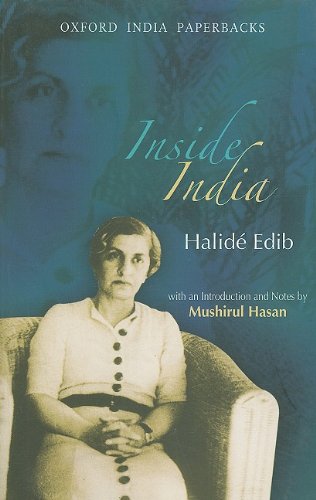
First published in 1937, this magisterial account of India in the 1930s contains the impressions and thoughts of Halide Edib, a Turkish writer who is not interested in imagining, inscribing or inventing India, but rather in documenting its multifaceted personality. Edib's idea of India is firmly anchored in the historical and sociological insights she gained during her stay in the subcontinent, and especially through her meetings with Mahatma Gandhi and other leading figures of the nationalist movement. In this book, she sums up aspects of Indian nationalism, pointing to its strengths and weaknesses, and highlights its encounters with British colonialism. She perceives the idea of pan Islamism with skepticism, and believes that religious identity cannot be defined in isolation since it is also determined by the confluence of cultural ideas and beliefs. In India, for instance, common ideals of citizenship and culture allow a distinct sense of nationhood to exist in separation from the religious lives of its people. An overarching and scholarly Introduction by Mushirul Hasan - supported by two maps, a chronology of events, a genealogy of the Ottoman sultans, and brief biographical notes-allows for a wholesome reading of the text.
Le informazioni nella sezione "Riassunto" possono far riferimento a edizioni diverse di questo titolo.
Informazioni sull'autore
Halid� Edib (1884-1904) was a renowned writer, reformist, and nationalist of modern-day Turkey. Mushirul Hasan is Vice-chancellor, Jamia Millia Islamia
Le informazioni nella sezione "Su questo libro" possono far riferimento a edizioni diverse di questo titolo.