
Articoli correlati a Neuroethics: Defining the issues in theory, practice,...
Sinossi
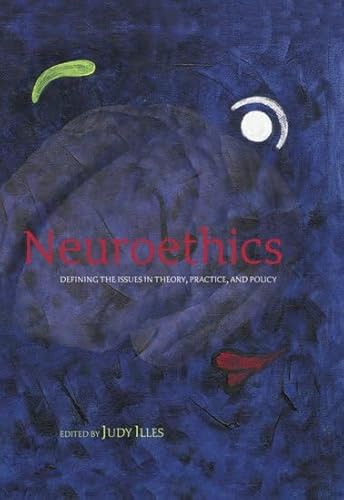
Recent advances in the brain sciences have dramatically improved our understanding of brain function. As we find out more and more about what makes us tick, we must stop and consider the ethical implications of this new found knowledge. Will having a new biology of the brain through imaging make us less responsible for our behavior and lose our free will? Should certain brain scan studies be disallowed on the basis of moral grounds? Why is the media so interested in reporting results of brain imaging studies? What ethical lessons from the past can best inform the future of brain imaging?
These compelling questions and many more are tackled by a distinguished group of contributors to this volume on neuroethics. The wide range of disciplinary backgrounds that the authors represent, from neuroscience, bioethics and philosophy, to law, social and health care policy, education, religion and film, allow for profoundly insightful and provocative answers to these questions, and open up the door to a host of new ones. The contributions highlight the timeliness of modern neuroethics today, and assure the longevity and importance of neuroethics for generations to come.
Le informazioni nella sezione "Riassunto" possono far riferimento a edizioni diverse di questo titolo.
Contenuti
- Part I - Neuroscience, ethics, agency and the self
- 1: Patricia S. Churchland: Moral decision-making and the brain
- 2: Adina Roskies: A case study in neuroethics: the nature of moral judgment
- 3: Stephen J. Morse: Moral and legal responsibility and the new neuroscience
- 4: Tom Buller: Brains, lies and psychological explanations
- 5: Laurie Zoloth: Being in the world
- 6: Erik Parens: Creativity, gratitude and the enhancement debate: on the fertile tension between two ethical frameworks
- 7: Agnieszka Jaworska: Ethical dilemmas in neurodegenerative disease: respecting the margins of agency
- Part II - Neuroethics in practice
- 8: Ronald M. Green: From genome to brainome: charting lessons learned
- 9: Franklin G. Miller & Joseph Fins: Protecting human subjects in brain research: a pragmatic perspective
- 10: Michael S. Gazzaniga: Facts, fictions and the future of neuroethics
- 11: Judy Illes, Eric Racine & Matthew P. Kirschen: A picture is worth 1000 words, but which 1000?
- 12: Turhan Canli: When genes and brains unite: ethical implications of genomic neuroimaging
- 13: Kenneth R. Foster: Engineering the mind
- 14: Megan S. Steven & Alvaro Pascual-Leone: Transcranial magnetic stimulation and the human brain: an ethical evaluation
- 15: Paul J. Ford & Jaimie Henderson: Functional neurosurgical intervention: neuroethics in the operating room
- 16: Robert Klitzman: Clinicians, patients and the brain
- Part III - Justice, social institutions and neuroethics
- 17: Henry Greely: The social effects of advances in neuroscience: legal problems, legal perspectives
- 18: Martha J. Farah, Kimberly G. Noble & H. Hurt: Poverty, privilege and the developing brain: empirical findings and ethical implications
- 19: Kim Sheridan, Elena Zinchenko & Howard Gardner: Neuroethcis in education
- 20: Paul Root Wolpe: Religious responses to neuroscientific questions
- 21: Maren Grainger-Monsen & Kim Karetsky: The mind in the movies: a neuroethical analysis of the portrayal of the mind in popular media
Le informazioni nella sezione "Su questo libro" possono far riferimento a edizioni diverse di questo titolo.
Risultati della ricerca per Neuroethics: Defining the issues in theory, practice,...

Foto dell'editore
Neuroethics: Defining the issues in theory, practice, and policy (eng)
Print on DemandDa: Brook Bookstore On Demand, Napoli, NA, Italia
Valutazione del venditore 5 su 5 stelle

Condizione: new. Questo è un articolo print on demand. Codice articolo 37dbc3fd34f18f19cca08567358db7be
Compra nuovo
EUR 307,44
Spedizione EUR 6,80
Spedito da Italia a U.S.A.
Spedito da Italia a U.S.A.
Quantità: Più di 20 disponibili
Immagini fornite dal venditore
Neuroethics
Print on DemandDa: moluna, Greven, Germania
Valutazione del venditore 5 su 5 stelle
Condizione: New. Dieser Artikel ist ein Print on Demand Artikel und wird nach Ihrer Bestellung fuer Sie gedruckt. Tells us about the field of nueroethics. This book talks about what makes monitoring and manipulating the human brain so ethically challenging and will having a new biology of the brain through imaging make us less responsible for our behavior and lose our. Codice articolo 594410414
Compra nuovo
EUR 369,44
Spedizione EUR 48,99
Spedito da Germania a U.S.A.
Spedito da Germania a U.S.A.
Quantità: Più di 20 disponibili