
Articoli correlati a The Alphabet and the Algorithm
Sinossi
The rise and fall of identical copies: digital technologies and form-making from mass customization to mass collaboration.
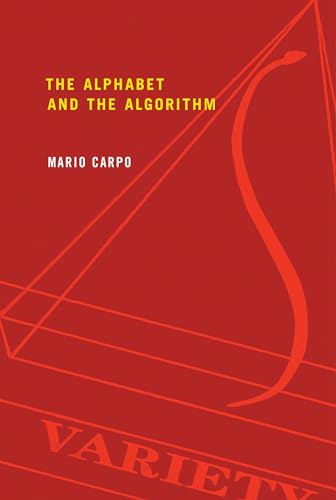
Digital technologies have changed architecture—the way it is taught, practiced, managed, and regulated. But if the digital has created a “paradigm shift” for architecture, which paradigm is shifting? In The Alphabet and the Algorithm, Mario Carpo points to one key practice of modernity: the making of identical copies. Carpo highlights two examples of identicality crucial to the shaping of architectural modernity: in the fifteenth century, Leon Battista Alberti's invention of architectural design, according to which a building is an identical copy of the architect's design; and, in the nineteenth and twentieth centuries, the mass production of identical copies from mechanical master models, matrixes, imprints, or molds. The modern power of the identical, Carpo argues, came to an end with the rise of digital technologies. Everything digital is variable. In architecture, this means the end of notational limitations, of mechanical standardization, and of the Albertian, authorial way of building by design. Charting the rise and fall of the paradigm of identicality, Carpo compares new forms of postindustrial digital craftsmanship to hand-making and the cultures and technologies of variations that existed before the coming of machine-made, identical copies. Carpo reviews the unfolding of digitally based design and construction from the early 1990s to the present, and suggests a new agenda for architecture in an age of variable objects and of generic and participatory authorship.
Le informazioni nella sezione "Riassunto" possono far riferimento a edizioni diverse di questo titolo.
Informazioni sull'autore
Mario Carpo is Reyner Banham Professor of Architectural History and Theory, the Bartlett, University College London. He is the author of Architecture in the Age of Printing: Orality, Writing, Typography, and Printed Images in the History of Architectural Theory and The Alphabet and the Algorithm (both published by the MIT Press) and other books.
Le informazioni nella sezione "Su questo libro" possono far riferimento a edizioni diverse di questo titolo.
Risultati della ricerca per The Alphabet and the Algorithm

Foto dell'editore
The Alphabet and the Algorithm
Da: Better World Books: West, Reno, NV, U.S.A.
Valutazione del venditore 5 su 5 stelle

Condizione: Very Good. Pages intact with possible writing/highlighting. Binding strong with minor wear. Dust jackets/supplements may not be included. Stock photo provided. Product includes identifying sticker. Better World Books: Buy Books. Do Good. Codice articolo 67462780-75
Compra usato
EUR 21,04
Spedizione gratuita
Spedito in U.S.A.
Spedito in U.S.A.
Quantità: 1 disponibili
Foto dell'editore
The Alphabet and the Algorithm (Writing Architecture)
Da: Emerald Green Media, Simi Valley, CA, U.S.A.
Valutazione del venditore 5 su 5 stelle
paperback. Condizione: Fine. Clean Copy Established Seller, We Ship Daily! Codice articolo mon0000059466
Compra usato
EUR 17,96
Spedizione EUR 3,92
Spedito in U.S.A.
Spedito in U.S.A.
Quantità: 1 disponibili
Foto dell'editore
The Alphabet and the Algorithm
Da: ThriftBooks-Dallas, Dallas, TX, U.S.A.
Valutazione del venditore 5 su 5 stelle
Paperback. Condizione: Good. No Jacket. Pages can have notes/highlighting. Spine may show signs of wear. ~ ThriftBooks: Read More, Spend Less. Codice articolo G0262515806I3N00
Compra usato
EUR 21,97
Spedizione gratuita
Spedito in U.S.A.
Spedito in U.S.A.
Quantità: 1 disponibili
Foto dell'editore
The Alphabet and the Algorithm
Da: Better World Books Ltd, Dunfermline, Regno Unito
Valutazione del venditore 5 su 5 stelle
Condizione: Good. Pages intact with minimal writing/highlighting. The binding may be loose and creased. Dust jackets/supplements are not included. Stock photo provided. Product includes identifying sticker. Better World Books: Buy Books. Do Good. Codice articolo 8417074-6
Compra usato
EUR 17,90
Spedizione EUR 5,83
Spedito da Regno Unito a U.S.A.
Spedito da Regno Unito a U.S.A.
Quantità: 1 disponibili
Foto dell'editore
The Alphabet and the Algorithm (Writing Architecture)
Da: WorldofBooks, Goring-By-Sea, WS, Regno Unito
Valutazione del venditore 5 su 5 stelle
Paperback. Condizione: Very Good. The book has been read, but is in excellent condition. Pages are intact and not marred by notes or highlighting. The spine remains undamaged. Codice articolo GOR007142131
Compra usato
EUR 20,55
Spedizione EUR 6,53
Spedito da Regno Unito a U.S.A.
Spedito da Regno Unito a U.S.A.
Quantità: 1 disponibili
Foto dell'editore
Alphabet and the Algorithm
Da: GreatBookPrices, Columbia, MD, U.S.A.
Valutazione del venditore 5 su 5 stelle
Condizione: As New. Unread book in perfect condition. Codice articolo 11801427
Compra usato
EUR 28,87
Spedizione EUR 2,30
Spedito in U.S.A.
Spedito in U.S.A.
Quantità: Più di 20 disponibili
Foto dell'editore
Alphabet and the Algorithm
Da: GreatBookPrices, Columbia, MD, U.S.A.
Valutazione del venditore 5 su 5 stelle
Condizione: New. Codice articolo 11801427-n
Compra nuovo
EUR 28,93
Spedizione EUR 2,30
Spedito in U.S.A.
Spedito in U.S.A.
Quantità: Più di 20 disponibili
Foto dell'editore
The Alphabet and the Algorithm Format: Paperback
Editore:
Penguin Random House, 2011
ISBN 10: 0262515806
ISBN 13: 9780262515801
Antico o usato
Brossura
Da: INDOO, Avenel, NJ, U.S.A.
Valutazione del venditore 5 su 5 stelle
Condizione: As New. Unread copy in mint condition. Codice articolo RH9780262515801
Compra usato
EUR 31,25
Spedizione gratuita
Spedito in U.S.A.
Spedito in U.S.A.
Quantità: Più di 20 disponibili
Foto dell'editore
The Alphabet and the Algorithm (Paperback)
Editore:
MIT Press Ltd, Cambridge, Mass., 2011
ISBN 10: 0262515806
ISBN 13: 9780262515801
Nuovo
Paperback
Da: Grand Eagle Retail, Bensenville, IL, U.S.A.
Valutazione del venditore 5 su 5 stelle
Paperback. Condizione: new. Paperback. The rise and fall of identical copies: digital technologies and form-making from mass customization to mass collaboration.Digital technologies have changed architecture-the way it is taught, practiced, managed, and regulated. But if the digital has created a "paradigm shift" for architecture, which paradigm is shifting? In The Alphabet and the Algorithm, Mario Carpo points to one key practice of modernity: the making of identical copies. Carpo highlights two examples of identicality crucial to the shaping of architectural modernity: in the fifteenth century, Leon Battista Alberti's invention of architectural design, according to which a building is an identical copy of the architect's design; and, in the nineteenth and twentieth centuries, the mass production of identical copies from mechanical master models, matrixes, imprints, or molds. The modern power of the identical, Carpo argues, came to an end with the rise of digital technologies. Everything digital is variable. In architecture, this means the end of notational limitations, of mechanical standardization, and of the Albertian, authorial way of building by design. Charting the rise and fall of the paradigm of identicality, Carpo compares new forms of postindustrial digital craftsmanship to hand-making and the cultures and technologies of variations that existed before the coming of machine-made, identical copies. Carpo reviews the unfolding of digitally based design and construction from the early 1990s to the present, and suggests a new agenda for architecture in an age of variable objects and of generic and participatory authorship. The rise and fall of identical copies: digital technologies and form-making from mass customization to mass collaboration. Shipping may be from multiple locations in the US or from the UK, depending on stock availability. Codice articolo 9780262515801
Compra nuovo
EUR 31,29
Spedizione gratuita
Spedito in U.S.A.
Spedito in U.S.A.
Quantità: 1 disponibili
Foto dell'editore
The Alphabet and the Algorithm Format: Paperback
Da: INDOO, Avenel, NJ, U.S.A.
Valutazione del venditore 5 su 5 stelle
Condizione: New. Codice articolo 9780262515801
Compra nuovo
EUR 31,31
Spedizione gratuita
Spedito in U.S.A.
Spedito in U.S.A.
Quantità: Più di 20 disponibili