
Articoli correlati a How Images Think
Sinossi
The transformation of images in the age of new media and the digital revolution.
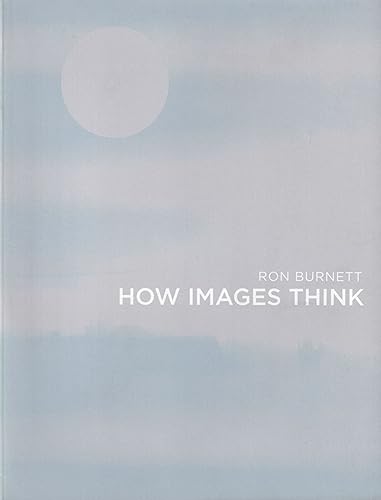
Digital images are an integral part of all media, including television, film, photography, animation, video games, data visualization, and the Internet. In the digital world, spectators become navigators wending their way through a variety of interactive experiences, and images become spaces of visualization with more and more intelligence programmed into the very fabric of communication processes. In How Images Think, Ron Burnett explores this new ecology, which has transformed the relationships humans have with the image-based technologies they have created. So much intelligence has been programmed into these image-dependent technologies that it often seems as if images are "thinking"; ascribing thought to machines redefines our relationship with them and enlarges our ideas about body and mind. Burnett argues that the development of this new, closely interdependent relationship marks a turning point in our understanding of the connections between humans and machines.
After presenting an overview of visual perception, Burnett examines the interactive modes of new technologies—including computer games, virtual reality, digital photography, and film—and locates digital images in a historical context. He argues that virtual images occupy a "middle space," combining the virtual and the real into an environment of visualization that blurs the distinctions between subject and object—part of a continuum of experiences generated by creative choices by viewers, the results of which cannot be attributed either to images or to participants.
Le informazioni nella sezione "Riassunto" possono far riferimento a edizioni diverse di questo titolo.
Informazioni sull'autore
Ron Burnett is President of Emily Carr Institute of Art + Design in Vancouver, and Artist/Designer at the New Media Innovation Center. He is the author of Cultures of Vision: Images, Media, and the Imaginary and the editor of Explorations in Film Theory.
Le informazioni nella sezione "Su questo libro" possono far riferimento a edizioni diverse di questo titolo.
Risultati della ricerca per How Images Think

Foto dell'editore
How Images Think
Da: ThriftBooks-Dallas, Dallas, TX, U.S.A.
Valutazione del venditore 5 su 5 stelle

Paperback. Condizione: Good. No Jacket. Pages can have notes/highlighting. Spine may show signs of wear. ~ ThriftBooks: Read More, Spend Less. Codice articolo G0262524414I3N00
Compra usato
EUR 6,06
Spedizione gratuita
Spedito in U.S.A.
Spedito in U.S.A.
Quantità: 1 disponibili
Foto dell'editore
How Images Think
Da: Better World Books, Mishawaka, IN, U.S.A.
Valutazione del venditore 5 su 5 stelle
Condizione: Good. New Ed. Pages intact with minimal writing/highlighting. The binding may be loose and creased. Dust jackets/supplements are not included. Stock photo provided. Product includes identifying sticker. Better World Books: Buy Books. Do Good. Codice articolo 4666621-20
Compra usato
EUR 6,76
Spedizione gratuita
Spedito in U.S.A.
Spedito in U.S.A.
Quantità: 1 disponibili
Foto dell'editore
How Images Think (The MIT Press)
Da: Midtown Scholar Bookstore, Harrisburg, PA, U.S.A.
Valutazione del venditore 5 su 5 stelle
Paperback. Condizione: Very Good. Very Good - Crisp, clean, unread book with some shelfwear/edgewear, may have a remainder mark - NICE PAPERBACK Standard-sized. Codice articolo M0262524414Z2
Compra usato
EUR 2,40
Spedizione EUR 5,37
Spedito in U.S.A.
Spedito in U.S.A.
Quantità: 3 disponibili
Foto dell'editore
How Images Think (The MIT Press)
Da: Midtown Scholar Bookstore, Harrisburg, PA, U.S.A.
Valutazione del venditore 5 su 5 stelle
Paperback. Condizione: Good. Good - Bumped and creased book with tears to the extremities, but not affecting the text block, may have remainder mark or previous owner's name - GOOD PAPERBACK Standard-sized. Codice articolo M0262524414Z3
Compra usato
EUR 2,76
Spedizione EUR 5,37
Spedito in U.S.A.
Spedito in U.S.A.
Quantità: 1 disponibili
Foto dell'editore
How Images Think (The MIT Press)
Da: WorldofBooks, Goring-By-Sea, WS, Regno Unito
Valutazione del venditore 5 su 5 stelle
Paperback. Condizione: Very Good. The book has been read, but is in excellent condition. Pages are intact and not marred by notes or highlighting. The spine remains undamaged. Codice articolo GOR005983179
Compra usato
EUR 5,69
Spedizione EUR 6,70
Spedito da Regno Unito a U.S.A.
Spedito da Regno Unito a U.S.A.
Quantità: 1 disponibili
Foto dell'editore
How Images Think
Editore:
MIT Press, c.2005,, 2005
ISBN 10: 0262524414
ISBN 13: 9780262524414
Antico o usato
paperback,
Da: Harry Alter, Sylva, NC, U.S.A.
Valutazione del venditore 5 su 5 stelle
paperback, Condizione: Very Good, MIT Press, c.2005, 2nd.trade paperbk.prtg., 253pp., illusts., VG $. Codice articolo 106732
Compra usato
EUR 13,82
Spedizione EUR 3,53
Spedito in U.S.A.
Spedito in U.S.A.
Quantità: 1 disponibili
Foto dell'editore
How Images Think (The MIT Press)
Editore:
The MIT Press February 2005, 2005
ISBN 10: 0262524414
ISBN 13: 9780262524414
Antico o usato
Trade Paperback
Da: Inquiring Minds, Saugerties, NY, U.S.A.
Valutazione del venditore 4 su 5 stelle

Trade Paperback. Condizione: Used - Like New. Codice articolo 629328
Compra usato
EUR 13,80
Spedizione EUR 5,36
Spedito in U.S.A.
Spedito in U.S.A.
Quantità: 1 disponibili
Foto dell'editore
How Images Think
Da: Phatpocket Limited, Waltham Abbey, HERTS, Regno Unito
Valutazione del venditore 5 su 5 stelle
Condizione: Good. Your purchase helps support Sri Lankan Children's Charity 'The Rainbow Centre'. Ex-library, so some stamps and wear, but in good overall condition. Our donations to The Rainbow Centre have helped provide an education and a safe haven to hundreds of children who live in appalling conditions. Codice articolo Z1-M-012-02831
Compra usato
EUR 7,39
Spedizione EUR 12,73
Spedito da Regno Unito a U.S.A.
Spedito da Regno Unito a U.S.A.
Quantità: 1 disponibili
Foto dell'editore
How Images Think
Da: Anybook.com, Lincoln, Regno Unito
Valutazione del venditore 5 su 5 stelle
Condizione: Fair. This is an ex-library book and may have the usual library/used-book markings inside.This book has soft covers. In fair condition, suitable as a study copy. Please note the Image in this listing is a stock photo and may not match the covers of the actual item,600grams, ISBN:9780262524414. Codice articolo 3969351
Compra usato
EUR 5,89
Spedizione EUR 15,82
Spedito da Regno Unito a U.S.A.
Spedito da Regno Unito a U.S.A.
Quantità: 1 disponibili
Immagini fornite dal venditore
How Images Think
Da: The Anthropologists Closet, West Des Moines, IA, U.S.A.
Valutazione del venditore 5 su 5 stelle
Paperback. Condizione: New. A clean crisp well preserved 2005 The MIT Press softcover in a fine tight binding. Little to no shelf wear. Text is bright and free of marks or underlining. Fast shipping in a secure book box mailer with tracking. The transformation of images in the age of new media and the digital revolution. Digital images are an integral part of all media, including television, film, photography, animation, video games, data visualization, and the Internet. In the digital world, spectators become navigators wending their way through a variety of interactive experiences, and images become spaces of visualization with more and more intelligence programmed into the very fabric of communication processes. In How Images Think, Ron Burnett explores this new ecology, which has transformed the relationships humans have with the image-based technologies they have created. So much intelligence has been programmed into these image-dependent technologies that it often seems as if images are thinking; ascribing thought to machines redefines our relationship with them and enlarges our ideas about body and mind. Burnett argues that the development of this new, closely interdependent relationship marks a turning point in our understanding of the connections between humans and machines. After presenting an overview of visual perception, Burnett examines the interactive modes of new technologies--including computer games, virtual reality, digital photography, and film--and locates digital images in a historical context. He argues that virtual images occupy a middle space, combining the virtual and the real into an environment of visualization that blurs the distinctions between subject and object--part of a continuum of experiences generated by creative choices by viewers, the results of which cannot be attributed either to images or to participants. . Codice articolo 563
Compra nuovo
EUR 18,38
Spedizione EUR 4,92
Spedito in U.S.A.
Spedito in U.S.A.
Quantità: 1 disponibili