
Articoli correlati a Thinking Together: Lecturing, Learning, and Difference...
Thinking Together: Lecturing, Learning, and Difference in the Long Nineteenth Century: 16 - Rilegato
Libro 16 di 32: Rhetoric and Democratic Deliberation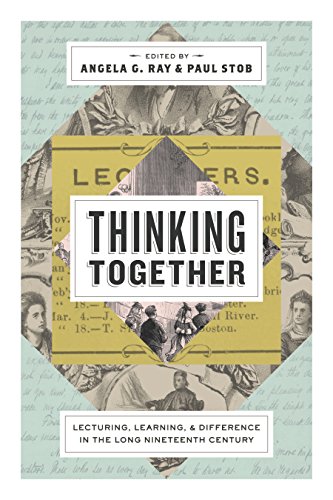
Sinossi
Changes to the landscape of higher education in the United States over the past decades have urged scholars grappling with issues of privilege, inequality, and social immobility to think differently about how we learn and deliberate. Thinking Together is a multidisciplinary conversation about how people approached similar questions of learning and difference in the nineteenth century.
In the open air, in homes, in public halls, and even in prisons, people pondered recurring issues: justice, equality, careers, entertainment, war and peace, life and death, heaven and hell, the role of education, and the nature of humanity itself. Paying special attention to the dynamics of race and gender in intellectual settings, the contributors to this volume consider how myriad groups and individuals'many of whom lived on the margins of society and had limited access to formal education'developed and deployed knowledge useful for public participation and public advocacy around these concerns. Essays examine examples such as the women and men who engaged lecture culture during the Civil War; Irish immigrants who gathered to assess their relationship to the politics and society of the New World; African American women and men who used music and theater to challenge the white gaze; and settler-colonists in Liberia who created forums for envisioning a new existence in Africa and their relationship to a U.S. homeland. Taken together, this interdisciplinary exploration shows how learning functioned not only as an instrument for public action but also as a way to forge meaningful ties with others and to affirm the value of an intellectual life.
By highlighting people, places, and purposes that diversified public discourse, Thinking Together offers scholars across the humanities new insights and perspectives on how difference enhances the human project of thinking together.
Le informazioni nella sezione "Riassunto" possono far riferimento a edizioni diverse di questo titolo.
Informazioni sull'autore
Angela G. Ray is Associate Professor of Communication Studies at Northwestern University and the author of The Lyceum and Public Culture in the Nineteenth-Century United States.
Paul Stob is Associate Professor of Communication Studies at Vanderbilt University and the author of William James and the Art of Popular Statement.
Le informazioni nella sezione "Su questo libro" possono far riferimento a edizioni diverse di questo titolo.
Risultati della ricerca per Thinking Together: Lecturing, Learning, and Difference...

Foto dell'editore
Thinking Together: Edited by Angela Ray and Paul Stob
ISBN 10: 0271080876
ISBN 13: 9780271080871
Antico o usato
Rilegato
Da: Andover Books and Antiquities, Andover, MA, U.S.A.
Valutazione del venditore 2 su 5 stelle

Hardcover. Condizione: Excellent condition. Condizione sovraccoperta: Very good. viii, 249 pp. Rhetoric and Democratic Deliberation. Volume 16. LCC: 2017053093. Codice articolo 0909I0879
Compra usato
EUR 66,09
Spedizione EUR 11,59
Spedito in U.S.A.
Spedito in U.S.A.
Quantità: 1 disponibili
Immagini fornite dal venditore
Thinking Together : Lecturing, Learning, and Difference in the Long Nineteenth Century
Editore:
Penn State University Press, 2018
ISBN 10: 0271080876
ISBN 13: 9780271080871
Antico o usato
Rilegato
Da: GreatBookPrices, Columbia, MD, U.S.A.
Valutazione del venditore 5 su 5 stelle

Condizione: As New. Unread book in perfect condition. Codice articolo 30583495
Compra usato
EUR 83,34
Spedizione EUR 2,35
Spedito in U.S.A.
Spedito in U.S.A.
Quantità: 10 disponibili
Foto dell'editore
Thinking Together: Lecturing, Learning, and Difference in the Long Nineteenth Century (Rhetoric and Democratic Deliberation)
Editore:
Penn State University Press, 2018
ISBN 10: 0271080876
ISBN 13: 9780271080871
Antico o usato
Rilegato
Da: HPB-Red, Dallas, TX, U.S.A.
Valutazione del venditore 5 su 5 stelle
hardcover. Condizione: Good. Connecting readers with great books since 1972! Used textbooks may not include companion materials such as access codes, etc. May have some wear or writing/highlighting. We ship orders daily and Customer Service is our top priority! Codice articolo S_440092723
Compra usato
EUR 85,33
Spedizione EUR 3,34
Spedito in U.S.A.
Spedito in U.S.A.
Quantità: 1 disponibili
Immagini fornite dal venditore
Thinking Together : Lecturing, Learning, and Difference in the Long Nineteenth Century
Editore:
Penn State University Press, 2018
ISBN 10: 0271080876
ISBN 13: 9780271080871
Nuovo
Rilegato
Da: GreatBookPrices, Columbia, MD, U.S.A.
Valutazione del venditore 5 su 5 stelle
Condizione: New. Codice articolo 30583495-n
Compra nuovo
EUR 97,33
Spedizione EUR 2,35
Spedito in U.S.A.
Spedito in U.S.A.
Quantità: 10 disponibili
Foto dell'editore
Thinking Together (Hardcover)
Editore:
Pennsylvania State University Press, University Park, 2018
ISBN 10: 0271080876
ISBN 13: 9780271080871
Nuovo
Rilegato
Da: Grand Eagle Retail, Bensenville, IL, U.S.A.
Valutazione del venditore 5 su 5 stelle
Hardcover. Condizione: new. Hardcover. Changes to the landscape of higher education in the United States over the past decades have urged scholars grappling with issues of privilege, inequality, and social immobility to think differently about how we learn and deliberate. Thinking Together is a multidisciplinary conversation about how people approached similar questions of learning and difference in the nineteenth century.In the open air, in homes, in public halls, and even in prisons, people pondered recurring issues: justice, equality, careers, entertainment, war and peace, life and death, heaven and hell, the role of education, and the nature of humanity itself. Paying special attention to the dynamics of race and gender in intellectual settings, the contributors to this volume consider how myriad groups and individualsmany of whom lived on the margins of society and had limited access to formal educationdeveloped and deployed knowledge useful for public participation and public advocacy around these concerns. Essays examine examples such as the women and men who engaged lecture culture during the Civil War; Irish immigrants who gathered to assess their relationship to the politics and society of the New World; African American women and men who used music and theater to challenge the white gaze; and settler-colonists in Liberia who created forums for envisioning a new existence in Africa and their relationship to a U.S. homeland. Taken together, this interdisciplinary exploration shows how learning functioned not only as an instrument for public action but also as a way to forge meaningful ties with others and to affirm the value of an intellectual life.By highlighting people, places, and purposes that diversified public discourse, Thinking Together offers scholars across the humanities new insights and perspectives on how difference enhances the human project of thinking together. Explores the myriad ways that people in the nineteenth century grappled with questions of learning, belonging, civic participation, and deliberation. Focuses on the dynamics of gender, race, region, and religion, and how individuals and groups often excluded from established institutions developed knowledge useful for public life. Shipping may be from multiple locations in the US or from the UK, depending on stock availability. Codice articolo 9780271080871
Compra nuovo
EUR 99,74
Spedizione gratuita
Spedito in U.S.A.
Spedito in U.S.A.
Quantità: 1 disponibili
Immagini fornite dal venditore
Thinking Together
Editore:
Pennsylvania State University Press, US, 2018
ISBN 10: 0271080876
ISBN 13: 9780271080871
Nuovo
Rilegato
Da: Rarewaves.com USA, London, LONDO, Regno Unito
Valutazione del venditore 5 su 5 stelle
Hardback. Condizione: New. Changes to the landscape of higher education in the United States over the past decades have urged scholars grappling with issues of privilege, inequality, and social immobility to think differently about how we learn and deliberate. Thinking Together is a multidisciplinary conversation about how people approached similar questions of learning and difference in the nineteenth century.In the open air, in homes, in public halls, and even in prisons, people pondered recurring issues: justice, equality, careers, entertainment, war and peace, life and death, heaven and hell, the role of education, and the nature of humanity itself. Paying special attention to the dynamics of race and gender in intellectual settings, the contributors to this volume consider how myriad groups and individuals-many of whom lived on the margins of society and had limited access to formal education-developed and deployed knowledge useful for public participation and public advocacy around these concerns. Essays examine examples such as the women and men who engaged lecture culture during the Civil War; Irish immigrants who gathered to assess their relationship to the politics and society of the New World; African American women and men who used music and theater to challenge the white gaze; and settler-colonists in Liberia who created forums for envisioning a new existence in Africa and their relationship to a U.S. homeland. Taken together, this interdisciplinary exploration shows how learning functioned not only as an instrument for public action but also as a way to forge meaningful ties with others and to affirm the value of an intellectual life.By highlighting people, places, and purposes that diversified public discourse, Thinking Together offers scholars across the humanities new insights and perspectives on how difference enhances the human project of thinking together. Codice articolo LU-9780271080871
Compra nuovo
EUR 99,74
Spedizione gratuita
Spedito da Regno Unito a U.S.A.
Spedito da Regno Unito a U.S.A.
Quantità: 5 disponibili
Immagini fornite dal venditore
Thinking Together : Lecturing, Learning, and Difference in the Long Nineteenth Century
Editore:
Penn State University Press, 2018
ISBN 10: 0271080876
ISBN 13: 9780271080871
Antico o usato
Rilegato
Da: GreatBookPricesUK, Woodford Green, Regno Unito
Valutazione del venditore 5 su 5 stelle
Condizione: As New. Unread book in perfect condition. Codice articolo 30583495
Compra usato
EUR 85,21
Spedizione EUR 17,92
Spedito da Regno Unito a U.S.A.
Spedito da Regno Unito a U.S.A.
Quantità: 10 disponibili
Immagini fornite dal venditore
Thinking Together : Lecturing, Learning, and Difference in the Long Nineteenth Century
Editore:
Penn State University Press, 2018
ISBN 10: 0271080876
ISBN 13: 9780271080871
Nuovo
Rilegato
Da: GreatBookPricesUK, Woodford Green, Regno Unito
Valutazione del venditore 5 su 5 stelle
Condizione: New. Codice articolo 30583495-n
Compra nuovo
EUR 117,73
Spedizione EUR 17,92
Spedito da Regno Unito a U.S.A.
Spedito da Regno Unito a U.S.A.
Quantità: 10 disponibili
Foto dell'editore
Thinking Together: Lecturing, Learning, and Difference in the Long Nineteenth Century
Editore:
Pennsylvania State University Press, 2018
ISBN 10: 0271080876
ISBN 13: 9780271080871
Nuovo
Rilegato
Prima edizione
Da: Kennys Bookshop and Art Galleries Ltd., Galway, GY, Irlanda
Valutazione del venditore 5 su 5 stelle
Condizione: New. 2018. 1st Edition. Hardcover. . . . . . Codice articolo V9780271080871
Compra nuovo
EUR 132,95
Spedizione EUR 9,50
Spedito da Irlanda a U.S.A.
Spedito da Irlanda a U.S.A.
Quantità: 1 disponibili
Foto dell'editore
Thinking Together: Lecturing, Learning, and Difference in the Long Nineteenth Century (Rhetoric and Democratic Deliberation)
Editore:
Penn State University Press, 2018
ISBN 10: 0271080876
ISBN 13: 9780271080871
Nuovo
Rilegato
Da: Books Puddle, Woodside, NY, U.S.A.
Valutazione del venditore 4 su 5 stelle

Condizione: New. Codice articolo 26381708290
Compra nuovo
EUR 155,15
Spedizione EUR 3,56
Spedito in U.S.A.
Spedito in U.S.A.
Quantità: 1 disponibili