
Articoli correlati a Contesting the Politics of Genocidal Rape: Affirming...
Contesting the Politics of Genocidal Rape: Affirming the Dignity of the Vulnerable Body - Rilegato
Libro 23 di 98: Routledge Research in Gender and Society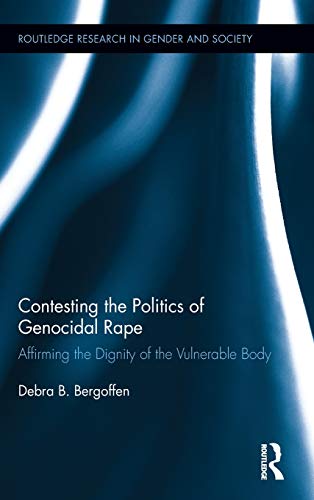
Sinossi
Rape, traditionally a spoil of war, became a weapon of war in the ethnic cleansing campaign in Bosnia. The ICTY Kunarac court responded by transforming wartime rape from an ignored crime into a crime against humanity. In its judgment, the court argued that the rapists violated the Muslim women’s right to sexual self-determination. Announcing this right to sexual integrity, the court transformed women’s vulnerability from an invitation to abuse into a mark of human dignity. This close reading of the trial, guided by the phenomenological themes of the lived body and ambiguity, feminist critiques of the autonomous subject and the liberal sexual/social contract, critical legal theory assessments of human rights law and institutions, and psychoanalytic analyses of the politics of desire, argues that the court, by validating women’s epistemic authority (their right to establish the meaning of their experience of rape) and affirming the dignity of the vulnerable body (thereby dethroning the autonomous body as the embodiment of dignity), shows us that human rights instruments can be used to combat the epidemic of wartime rape if they are read as de-legitimating the authority of the masculine autonomous subject and the gender codes it anchors.
Le informazioni nella sezione "Riassunto" possono far riferimento a edizioni diverse di questo titolo.
Informazioni sull'autore
Debra B. Bergoffen is Emeritus Professor of Philosophy at George Mason University.
Le informazioni nella sezione "Su questo libro" possono far riferimento a edizioni diverse di questo titolo.
Risultati della ricerca per Contesting the Politics of Genocidal Rape: Affirming...

Immagini fornite dal venditore
Contesting the Politics of Genocidal Rape: Affirming the Dignity of the Vulnerable Body
Editore:
Routledge, New York, 2012
ISBN 10: 0415891272
ISBN 13: 9780415891271
Antico o usato
Rilegato
Prima edizione
Da: Twice Sold Tales, Capitol Hill, Seattle, WA, U.S.A.
Valutazione del venditore 5 su 5 stelle

Hardcover, 131 pages. Condizione: Good. First Edition. First Edition. Bumping, rubbing and scuffing to boards and corners. Light soiling to back paste-down. Binding glue visible between front free endpapers and title page and between pages 130 - 131. Pages are clean and free of writing and/or highlighting. Codice articolo 11766
Compra usato
EUR 137,93
Spedizione EUR 7,59
Spedito in U.S.A.
Spedito in U.S.A.
Quantità: 1 disponibili
Foto dell'editore
Contesting the Politics of Genocidal Rape: Affirming the Dignity of the Vulnerable Body
Print on DemandDa: THE SAINT BOOKSTORE, Southport, Regno Unito
Valutazione del venditore 5 su 5 stelle
Hardback. Condizione: New. This item is printed on demand. New copy - Usually dispatched within 5-9 working days. Codice articolo C9780415891271
Compra nuovo
EUR 174,24
Spedizione EUR 18,64
Spedito da Regno Unito a U.S.A.
Spedito da Regno Unito a U.S.A.
Quantità: 5 disponibili
Foto dell'editore
Contesting the Politics of Genocidal Rape: Affirming the Dignity of the Vulnerable Body: 29 (Routledge Research in Gender and Society)
Da: Chiron Media, Wallingford, Regno Unito
Valutazione del venditore 5 su 5 stelle
Hardcover. Condizione: New. Codice articolo 6666-TNFPD-9780415891271
Compra nuovo
EUR 192,60
Spedizione EUR 18,33
Spedito da Regno Unito a U.S.A.
Spedito da Regno Unito a U.S.A.
Quantità: 5 disponibili
Immagini fornite dal venditore
Bergoffen, D: Contesting the Politics of Genocidal Rape
Print on DemandDa: moluna, Greven, Germania
Valutazione del venditore 5 su 5 stelle
Gebunden. Condizione: New. Dieser Artikel ist ein Print on Demand Artikel und wird nach Ihrer Bestellung fuer Sie gedruckt. Rape, traditionally a spoil of war, became a weapon of war in the ethnic cleansing campaign in Bosnia. The ICTY Kunarac court responded by transforming wartime rape from an ignored crime into a crime against humanity. In its judgment, the court argued th. Codice articolo 594675196
Compra nuovo
EUR 168,11
Spedizione EUR 48,99
Spedito da Germania a U.S.A.
Spedito da Germania a U.S.A.
Quantità: Più di 20 disponibili
Foto dell'editore
Contesting the Politics of Genocidal Rape
Print on DemandDa: Majestic Books, Hounslow, Regno Unito
Valutazione del venditore 4 su 5 stelle

Condizione: New. pp. 144 This item is printed on demand. Codice articolo 6874420
Compra nuovo
EUR 228,43
Spedizione EUR 7,69
Spedito da Regno Unito a U.S.A.
Spedito da Regno Unito a U.S.A.
Quantità: 3 disponibili
Foto dell'editore
Contesting the Politics of Genocidal Rape
Da: Books Puddle, Woodside, NY, U.S.A.
Valutazione del venditore 4 su 5 stelle
Condizione: New. pp. 144. Codice articolo 262054891
Compra nuovo
EUR 237,83
Spedizione EUR 3,56
Spedito in U.S.A.
Spedito in U.S.A.
Quantità: 3 disponibili
Foto dell'editore
Contesting the Politics of Genocidal Rape
Da: Biblios, Frankfurt am main, HESSE, Germania
Valutazione del venditore 4 su 5 stelle
Condizione: New. pp. 144. Codice articolo 182054881
Compra nuovo
EUR 251,68
Spedizione EUR 9,95
Spedito da Germania a U.S.A.
Spedito da Germania a U.S.A.
Quantità: 3 disponibili
Foto dell'editore
Contesting the Politics of Genocidal Rape: Affirming the Dignity of the Vulnerable Body (Routledge Research in Gender and Society)
Da: California Books, Miami, FL, U.S.A.
Valutazione del venditore 5 su 5 stelle
Condizione: New. Codice articolo I-9780415891271
Compra nuovo
EUR 271,27
Spedizione gratuita
Spedito in U.S.A.
Spedito in U.S.A.
Quantità: Più di 20 disponibili
Foto dell'editore
Contesting the Politics of Genocidal Rape: Affirming the Dignity of the Vulnerable Body
Da: THE SAINT BOOKSTORE, Southport, Regno Unito
Valutazione del venditore 5 su 5 stelle
Hardback. Condizione: New. New copy - Usually dispatched within 4 working days. Codice articolo B9780415891271
Compra nuovo
EUR 258,10
Spedizione EUR 17,10
Spedito da Regno Unito a U.S.A.
Spedito da Regno Unito a U.S.A.
Quantità: 1 disponibili
Foto dell'editore
Contesting the Politics of Genocidal Rape: Affirming the Dignity of the Vulnerable Body (Routledge Research in Gender and Society)
Da: Ria Christie Collections, Uxbridge, Regno Unito
Valutazione del venditore 5 su 5 stelle
Condizione: New. In English. Codice articolo ria9780415891271_new
Compra nuovo
EUR 272,40
Spedizione EUR 11,09
Spedito da Regno Unito a U.S.A.
Spedito da Regno Unito a U.S.A.
Quantità: Più di 20 disponibili