
Articoli correlati a Learning Xml
Sinossi
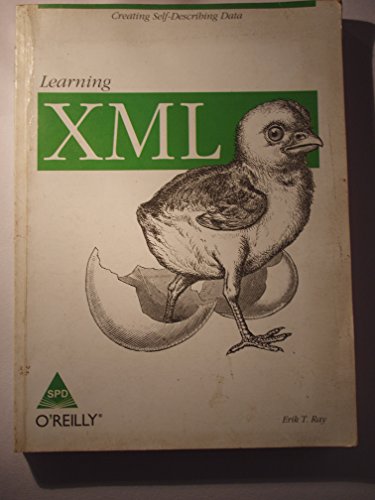
An introduction to XML describes how to use Extensible Markup Language to manage both data and format on the World Wide Web, in intranets, or in other systems, combining real-life projects with detailed instruction to demonstrate the capabilities of XML, along with such related tools as CSS and XSL styling languages, XLink, XPointer, and more. Original. (Intermediate/Advanced)
Le informazioni nella sezione "Riassunto" possono far riferimento a edizioni diverse di questo titolo.
Informazioni sull'autore
Author Erik Ray is an experienced XML developer at O'Reilly & Associates, where he has been helping the production department move to an XML-based workflow.
Le informazioni nella sezione "Su questo libro" possono far riferimento a edizioni diverse di questo titolo.
Risultati della ricerca per Learning Xml

Immagini fornite dal venditore
Learning XML
Da: Zoom Books Company, Lynden, WA, U.S.A.
Valutazione del venditore 5 su 5 stelle

Condizione: very_good. Book is in very good condition and may include minimal underlining highlighting. The book can also include "From the library of" labels. May not contain miscellaneous items toys, dvds, etc. . We offer 100% money back guarantee and 24 7 customer service. Codice articolo ZBV.0596000464.VG
Compra usato
EUR 4,53
Spedizione gratuita
Spedito in U.S.A.
Spedito in U.S.A.
Quantità: 1 disponibili
Foto dell'editore
Learning XML
Da: World of Books (was SecondSale), Montgomery, IL, U.S.A.
Valutazione del venditore 5 su 5 stelle
Paperback. Condizione: Good. The arrival of support for XML - the Extensible Markup Language - in browsers and authoring tools has followed a long period of intense hype. Major databases, authoring tools (including Microsoft's Office 2000), and browsers are committed to XML support. Many content creators and programmers for the Web and other media are left wondering, "What can XML and its associated standards really do for me?" Getting the most from XML requires being able to tag and transform XML documents so they can be processed by web browsers, databases, mobile phones, printers, XML processors, voice response systems, and LDAP directories, just to name a few targets. In "Learning XML", the author explains XML and its capabilities with references to real-life projects and other cogent examples. "Learning XML" shows the purpose of XML markup itself, the CSS and XSL styling languages, and the XLink and XPointer specifications for creating rich link structures. The basic advantages of XML over HTML are that XML lets a Web designer define tags that are meaningful for the particular documents or database output to be used, and that it enforces an unambiguous structure that supports error-checking. XML supports enhanced styling and linking standards (allowing, for instance, simultaneous linking to the same document in multiple languages) and a range of new applications. For writers producing XML documents, this book demystifies files and the process of creating them with the appropriate structure and format. Designers will learn what parts of XML are most helpful to their team and will get started on creating Document Type Descriptions. For programmers, the book makes syntax and structures clear. It also discusses the stylesheets needed for viewing documents in the next generation of browsers, databases, and other devices. Codice articolo 00102558819
Compra usato
EUR 4,71
Spedizione gratuita
Spedito in U.S.A.
Spedito in U.S.A.
Quantità: 4 disponibili
Foto dell'editore
Learning XML
Da: World of Books (was SecondSale), Montgomery, IL, U.S.A.
Valutazione del venditore 5 su 5 stelle
Paperback. Condizione: Very Good. The arrival of support for XML - the Extensible Markup Language - in browsers and authoring tools has followed a long period of intense hype. Major databases, authoring tools (including Microsoft's Office 2000), and browsers are committed to XML support. Many content creators and programmers for the Web and other media are left wondering, "What can XML and its associated standards really do for me?" Getting the most from XML requires being able to tag and transform XML documents so they can be processed by web browsers, databases, mobile phones, printers, XML processors, voice response systems, and LDAP directories, just to name a few targets. In "Learning XML", the author explains XML and its capabilities with references to real-life projects and other cogent examples. "Learning XML" shows the purpose of XML markup itself, the CSS and XSL styling languages, and the XLink and XPointer specifications for creating rich link structures. The basic advantages of XML over HTML are that XML lets a Web designer define tags that are meaningful for the particular documents or database output to be used, and that it enforces an unambiguous structure that supports error-checking. XML supports enhanced styling and linking standards (allowing, for instance, simultaneous linking to the same document in multiple languages) and a range of new applications. For writers producing XML documents, this book demystifies files and the process of creating them with the appropriate structure and format. Designers will learn what parts of XML are most helpful to their team and will get started on creating Document Type Descriptions. For programmers, the book makes syntax and structures clear. It also discusses the stylesheets needed for viewing documents in the next generation of browsers, databases, and other devices. Codice articolo CIN0596000464VG
Compra usato
EUR 4,71
Spedizione gratuita
Spedito in U.S.A.
Spedito in U.S.A.
Quantità: 1 disponibili
Immagini fornite dal venditore
Learning XML
Da: Greenworld Books, Arlington, TX, U.S.A.
Valutazione del venditore 5 su 5 stelle
Condizione: very_good. Fast Free Shipping â" Very Good condition book with a firm cover and clean pages. Shows normal use and some light wear or limited notes markings. A solid, nice copy to enjoy. Codice articolo GWV.0596000464.VG
Compra usato
EUR 6,12
Spedizione gratuita
Spedito in U.S.A.
Spedito in U.S.A.
Quantità: 2 disponibili
Immagini fornite dal venditore
Learning XML
Da: -OnTimeBooks-, Phoenix, AZ, U.S.A.
Valutazione del venditore 5 su 5 stelle
Condizione: very_good. Gently read. May have name of previous ownership, or ex-library edition. Binding tight; spine straight and smooth, with no creasing; covers clean and crisp. Minimal signs of handling or shelving. 100% GUARANTEE! Shipped with delivery confirmation, if you're not satisfied with purchase please return item! Ships USPS Media Mail. Codice articolo OTV.0596000464.VG
Compra usato
EUR 6,43
Spedizione gratuita
Spedito in U.S.A.
Spedito in U.S.A.
Quantità: 1 disponibili
Foto dell'editore
Learning XML
Da: Wonder Book, Frederick, MD, U.S.A.
Valutazione del venditore 5 su 5 stelle
Condizione: Very Good. Very Good condition. A copy that may have a few cosmetic defects. May also contain light spine creasing or a few markings such as an owner's name, short gifter's inscription or light stamp. Codice articolo L14A-01994
Compra usato
EUR 6,43
Spedizione gratuita
Spedito in U.S.A.
Spedito in U.S.A.
Quantità: 3 disponibili
Foto dell'editore
Learning XML
Da: ThriftBooks-Dallas, Dallas, TX, U.S.A.
Valutazione del venditore 5 su 5 stelle
Paperback. Condizione: Good. No Jacket. Pages can have notes/highlighting. Spine may show signs of wear. ~ ThriftBooks: Read More, Spend Less. Codice articolo G0596000464I3N00
Compra usato
EUR 6,46
Spedizione gratuita
Spedito in U.S.A.
Spedito in U.S.A.
Quantità: 1 disponibili
Foto dell'editore
Learning XML
Da: World of Books Inc, Montgomery, IL, U.S.A.
Valutazione del venditore 4 su 5 stelle

Paperback. Condizione: Very Good. The arrival of support for XML - the Extensible Markup Language - in browsers and authoring tools has followed a long period of intense hype. Major databases, authoring tools (including Microsoft's Office 2000), and browsers are committed to XML support. Many content creators and programmers for the Web and other media are left wondering, "What can XML and its associated standards really do for me?" Getting the most from XML requires being able to tag and transform XML documents so they can be processed by web browsers, databases, mobile phones, printers, XML processors, voice response systems, and LDAP directories, just to name a few targets. In "Learning XML", the author explains XML and its capabilities with references to real-life projects and other cogent examples. "Learning XML" shows the purpose of XML markup itself, the CSS and XSL styling languages, and the XLink and XPointer specifications for creating rich link structures. The basic advantages of XML over HTML are that XML lets a Web designer define tags that are meaningful for the particular documents or database output to be used, and that it enforces an unambiguous structure that supports error-checking. XML supports enhanced styling and linking standards (allowing, for instance, simultaneous linking to the same document in multiple languages) and a range of new applications. For writers producing XML documents, this book demystifies files and the process of creating them with the appropriate structure and format. Designers will learn what parts of XML are most helpful to their team and will get started on creating Document Type Descriptions. For programmers, the book makes syntax and structures clear. It also discusses the stylesheets needed for viewing documents in the next generation of browsers, databases, and other devices. Codice articolo CIN0596000464VG
Compra usato
EUR 6,55
Spedizione gratuita
Spedito in U.S.A.
Spedito in U.S.A.
Quantità: 1 disponibili
Foto dell'editore
Learning XML
Da: World of Books Inc, Montgomery, IL, U.S.A.
Valutazione del venditore 4 su 5 stelle
Paperback. Condizione: Good. The arrival of support for XML - the Extensible Markup Language - in browsers and authoring tools has followed a long period of intense hype. Major databases, authoring tools (including Microsoft's Office 2000), and browsers are committed to XML support. Many content creators and programmers for the Web and other media are left wondering, "What can XML and its associated standards really do for me?" Getting the most from XML requires being able to tag and transform XML documents so they can be processed by web browsers, databases, mobile phones, printers, XML processors, voice response systems, and LDAP directories, just to name a few targets. In "Learning XML", the author explains XML and its capabilities with references to real-life projects and other cogent examples. "Learning XML" shows the purpose of XML markup itself, the CSS and XSL styling languages, and the XLink and XPointer specifications for creating rich link structures. The basic advantages of XML over HTML are that XML lets a Web designer define tags that are meaningful for the particular documents or database output to be used, and that it enforces an unambiguous structure that supports error-checking. XML supports enhanced styling and linking standards (allowing, for instance, simultaneous linking to the same document in multiple languages) and a range of new applications. For writers producing XML documents, this book demystifies files and the process of creating them with the appropriate structure and format. Designers will learn what parts of XML are most helpful to their team and will get started on creating Document Type Descriptions. For programmers, the book makes syntax and structures clear. It also discusses the stylesheets needed for viewing documents in the next generation of browsers, databases, and other devices. Codice articolo CIN0596000464G
Compra usato
EUR 6,55
Spedizione gratuita
Spedito in U.S.A.
Spedito in U.S.A.
Quantità: 4 disponibili
Immagini fornite dal venditore
Learning XML
Da: Austin Goodwill 1101, Austin, TX, U.S.A.
Valutazione del venditore 5 su 5 stelle
Condizione: acceptable. Book shows noticeable wear from use. May include writing, highlighting, or other markings, but not excessive. Cover or edges may have visible wear. The book remains complete and fully readable. Codice articolo CTXV.0596000464.A
Compra usato
EUR 3,68
Spedizione EUR 2,95
Spedito in U.S.A.
Spedito in U.S.A.
Quantità: 1 disponibili