
Articoli correlati a How to argue with a racist: history, science, race...
Sinossi
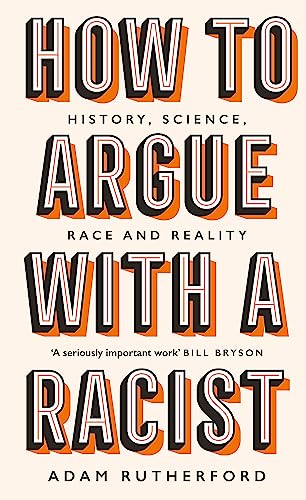
AS HEARD ON BBC RADIO 4 BOOK OF THE WEEK --- THE SUNDAY TIMES BESTSELLER
'Seriously important' BILL BRYSON
'A book that could save lives' SPECTATOR
'An enthralling, illuminating book' MAIL ON SUNDAY
'The ultimate anti-racism guide' CAROLINE CRIADO PEREZ
'A fascinating debunking of racial pseudoscience' GUARDIAN
Race is real because we perceive it. Racism is real because we enact it. But the appeal to science to strengthen racist ideologies is on the rise - and increasingly part of the public discourse on politics, migration, education, sport and intelligence. Stereotypes and myths about race are expressed not just by overt racists, but also by well-intentioned people whose experience and cultural baggage steer them towards views that are not supported by the modern study of human genetics. Even some scientists are uncomfortable expressing opinions deriving from their research where it relates to race. Yet, if understood correctly, science and history can be powerful allies against racism, granting the clearest view of how people actually are, rather than how we judge them to be.
HOW TO ARGUE WITH A RACIST is a vital manifesto for a twenty-first century understanding of human evolution and variation, and a timely weapon against the misuse of science to justify bigotry.
Le informazioni nella sezione "Riassunto" possono far riferimento a edizioni diverse di questo titolo.
Dalla quarta di copertina
Race is real because we perceive it. Racism is real because we enact it. But the appeal to science to strengthen racist ideologies is on the rise - and increasingly part of the public discourse on politics, migration, education, sport and intelligence. Stereotypes and myths about race are expressed not just by overt racists, but also by well-intentioned people whose experience and cultural baggage steer them towards views that are not supported by the modern study of human genetics. Even some scientists are uncomfortable expressing opinions deriving from their research where it relates to race. Yet, if understood correctly, science and history can be powerful allies against racism, granting the clearest view of how people actually are, rather than how we judge them to be.
Le informazioni nella sezione "Su questo libro" possono far riferimento a edizioni diverse di questo titolo.
Risultati della ricerca per How to argue with a racist: history, science, race...

Foto dell'editore
How to Argue With a Racist: History, Science, Race and Reality
Da: AwesomeBooks, Wallingford, Regno Unito
Valutazione del venditore 5 su 5 stelle

Condizione: Very Good. This book is in very good condition and will be shipped within 24 hours of ordering. The cover may have some limited signs of wear but the pages are clean, intact and the spine remains undamaged. This book has clearly been well maintained and looked after thus far. Money back guarantee if you are not satisfied. See all our books here, order more than 1 book and get discounted shipping. . Codice articolo 7719-9781474611244
Compra usato
EUR 2,96
Spedizione EUR 4,91
Spedito da Regno Unito a U.S.A.
Spedito da Regno Unito a U.S.A.
Quantità: 2 disponibili
Immagini fornite dal venditore
How to Argue With a Racist: History, Science, Race and Reality
Editore:
Weidenfeld & Nicolson, 2020
ISBN 10: 1474611249
ISBN 13: 9781474611244
Antico o usato
Rilegato
Da: WeBuyBooks, Rossendale, LANCS, Regno Unito
Valutazione del venditore 5 su 5 stelle
hardcover. Condizione: Very Good. Most items will be dispatched the same or the next working day. A copy that has been read, but is in excellent condition. Pages are intact and not marred by notes or highlighting. The spine remains undamaged. Codice articolo rev9375159573
Compra usato
EUR 1,49
Spedizione EUR 7,19
Spedito da Regno Unito a U.S.A.
Spedito da Regno Unito a U.S.A.
Quantità: 11 disponibili
Immagini fornite dal venditore
How to Argue With a Racist: History, Science, Race and Reality
Editore:
Weidenfeld & Nicolson, 2020
ISBN 10: 1474611249
ISBN 13: 9781474611244
Antico o usato
Rilegato
Da: WeBuyBooks, Rossendale, LANCS, Regno Unito
Valutazione del venditore 5 su 5 stelle
hardcover. Condizione: Good. Most items will be dispatched the same or the next working day. A copy that has been read but remains in clean condition. All of the pages are intact and the cover is intact and the spine may show signs of wear. The book may have minor markings which are not specifically mentioned. Codice articolo rev2112538586
Compra usato
EUR 1,49
Spedizione EUR 7,19
Spedito da Regno Unito a U.S.A.
Spedito da Regno Unito a U.S.A.
Quantità: 1 disponibili
Foto dell'editore
How to Argue with a Racist : History, Science, Race and Reality
Editore:
Orion Publishing Group, Limited, 2020
ISBN 10: 1474611249
ISBN 13: 9781474611244
Antico o usato
Rilegato
Da: Better World Books: West, Reno, NV, U.S.A.
Valutazione del venditore 5 su 5 stelle
Condizione: Very Good. Former library copy. Pages intact with possible writing/highlighting. Binding strong with minor wear. Dust jackets/supplements may not be included. Includes library markings. Stock photo provided. Product includes identifying sticker. Better World Books: Buy Books. Do Good. Codice articolo 38873552-20
Compra usato
EUR 9,21
Spedizione gratuita
Spedito in U.S.A.
Spedito in U.S.A.
Quantità: 1 disponibili
Foto dell'editore
How to Argue with a Racist : History, Science, Race and Reality
Editore:
Orion Publishing Group, Limited, 2020
ISBN 10: 1474611249
ISBN 13: 9781474611244
Antico o usato
Rilegato
Da: Better World Books Ltd, Dunfermline, Regno Unito
Valutazione del venditore 5 su 5 stelle
Condizione: Good. Pages intact with minimal writing/highlighting. The binding may be loose and creased. Dust jackets/supplements are not included. Stock photo provided. Product includes identifying sticker. Better World Books: Buy Books. Do Good. Codice articolo 39958072-20
Compra usato
EUR 5,71
Spedizione EUR 5,96
Spedito da Regno Unito a U.S.A.
Spedito da Regno Unito a U.S.A.
Quantità: 1 disponibili
Foto dell'editore
How to Argue with a Racist : History, Science, Race and Reality
Editore:
Orion Publishing Group, Limited, 2020
ISBN 10: 1474611249
ISBN 13: 9781474611244
Antico o usato
Rilegato
Da: Better World Books Ltd, Dunfermline, Regno Unito
Valutazione del venditore 5 su 5 stelle
Condizione: Very Good. Former library copy. Pages intact with possible writing/highlighting. Binding strong with minor wear. Dust jackets/supplements may not be included. Includes library markings. Stock photo provided. Product includes identifying sticker. Better World Books: Buy Books. Do Good. Codice articolo 38873552-20
Compra usato
EUR 5,71
Spedizione EUR 5,96
Spedito da Regno Unito a U.S.A.
Spedito da Regno Unito a U.S.A.
Quantità: 4 disponibili
Foto dell'editore
How to Argue with a Racist : History, Science, Race and Reality
Editore:
Orion Publishing Group, Limited, 2020
ISBN 10: 1474611249
ISBN 13: 9781474611244
Antico o usato
Rilegato
Da: Better World Books Ltd, Dunfermline, Regno Unito
Valutazione del venditore 5 su 5 stelle
Condizione: Very Good. Pages intact with possible writing/highlighting. Binding strong with minor wear. Dust jackets/supplements may not be included. Stock photo provided. Product includes identifying sticker. Better World Books: Buy Books. Do Good. Codice articolo 40407968-20
Compra usato
EUR 5,71
Spedizione EUR 5,96
Spedito da Regno Unito a U.S.A.
Spedito da Regno Unito a U.S.A.
Quantità: 1 disponibili
Foto dell'editore
How to Argue with a Racist : History, Science, Race and Reality
Editore:
Orion Publishing Group, Limited, 2020
ISBN 10: 1474611249
ISBN 13: 9781474611244
Antico o usato
Rilegato
Da: Better World Books Ltd, Dunfermline, Regno Unito
Valutazione del venditore 5 su 5 stelle
Condizione: Good. Former library copy. Pages intact with minimal writing/highlighting. The binding may be loose and creased. Dust jackets/supplements are not included. Includes library markings. Stock photo provided. Product includes identifying sticker. Better World Books: Buy Books. Do Good. Codice articolo 39955428-20
Compra usato
EUR 5,71
Spedizione EUR 5,96
Spedito da Regno Unito a U.S.A.
Spedito da Regno Unito a U.S.A.
Quantità: 3 disponibili
Immagini fornite dal venditore
How to Argue With a Racist: History, Science, Race and Reality
Editore:
Weidenfeld & Nicolson, 2020
ISBN 10: 1474611249
ISBN 13: 9781474611244
Antico o usato
Rilegato
Da: MusicMagpie, Stockport, Regno Unito
Valutazione del venditore 5 su 5 stelle
Condizione: Very Good. 1792102673. 10/15/2026 10:17:53 PM. Codice articolo U9781474611244
Compra usato
EUR 6,88
Spedizione EUR 6,55
Spedito da Regno Unito a U.S.A.
Spedito da Regno Unito a U.S.A.
Quantità: 1 disponibili
Foto dell'editore
How to Argue with a racist: History, Science, Race, Reality
Editore:
Weidenfeld & Nicolson, 2020
ISBN 10: 1474611249
ISBN 13: 9781474611244
Antico o usato
Rilegato
Da: medimops, Berlin, Germania
Valutazione del venditore 5 su 5 stelle
Condizione: good. Befriedigend/Good: Durchschnittlich erhaltenes Buch bzw. Schutzumschlag mit Gebrauchsspuren, aber vollständigen Seiten. / Describes the average WORN book or dust jacket that has all the pages present. Codice articolo M01474611249-G
Compra usato
EUR 7,75
Spedizione EUR 10,00
Spedito da Germania a U.S.A.
Spedito da Germania a U.S.A.
Quantità: 4 disponibili