
Articoli correlati a Raphael painter and architect in Rome. Ediz. a colori:...
Raphael painter and architect in Rome. Ediz. a colori: Painter and Architect in Rome; A Guidebook - Brossura
Sinossi
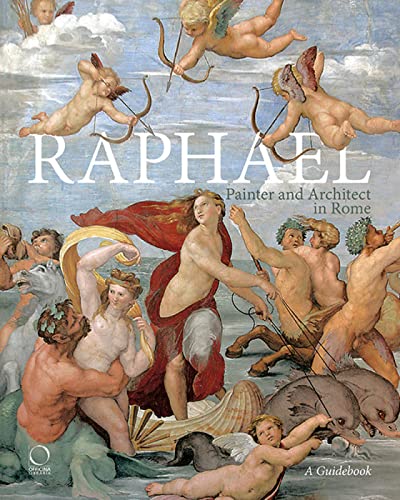
In occasione del cinquecentenario della morte di Raffaello Sanzio (1483-1520) si propone un testo per scoprire dipinti e architetture eseguiti a Roma dall’arrivo nell’Urbe nel 1508 alla morte nel 1520. Aggiornate e complete dei dati essenziali, le schede esplicative illustrano l’ampio ventaglio della produzione matura del Raffaello pittore, dagli affreschi alle pale d’altare ai ritratti eseguiti per Roma o oggi lì conservati, e permettono di individuare e di comprendere le tracce dell’attività del Raffaello architetto. Si svolge attraverso le opere il racconto dell’appassionante stagione romana dell’artista, impegnato nel continuo rinnovamento del proprio linguaggio di pittore nel dialogo travolgente con Michelangelo, nella gara con Sebastiano del Piombo, nella spinta possente delle sollecitazioni fornite dal repertorio antico della scultura, nel nuovo impegno come caposcuola, alla guida di una bottega che farà da modello per tutto il secolo e oltre, e si segue il definirsi proprio a Roma dei suoi interessi di architetto e degli obiettivi che egli matura sul fronte dell’architettura moderna su sollecitazione di Bramante e poi di altri, nella sfida costituita dal confronto con i resti degli edifici antichi, in uno scambio costante con gli umanisti, come Pietro Bembo e Fra Giocondo, suoi ferventi interlocutori, committenti, sostenitori. Il testo non trascura di segnalare le opere non accessibili legate all’operato del Sanzio, quali, in Vaticano, le Logge o l’Appartamento del cardinal Bibbiena, o quelle che da architetto egli non poté realizzare ma di cui ci restano suoi progetti, o che vennero distrutte (Palazzo Branconio dell’Aquila), e dedica un’attenzione speciale, per la forza del suo rapporto con il presente, alla lettera a Leone X scritta da Raffaello e da Baldassarre Castiglione, riconosciuta come primo documento di una consapevole riflessione sull’urgenza della conservazione dell’architettura e dell’arte del passato alla quale oggi più di allora siamo chiamati a rispondere.
Le informazioni nella sezione "Riassunto" possono far riferimento a edizioni diverse di questo titolo.
Informazioni sugli autori
Francesco Benelli is associate professor of History of Architecture at the University of Bologna. His publications include The Architecture in Giotto's Paintings (Cambridge University Press, 2014).
Silvia Ginzburg is professor of Modern Art History at the University of Rome III. She has written on the Carraccis, Raphael, Vasari. She recently co-curated the exhibition Raphael and His Friends in Urbino (2019).
Francesco Benelli is associate professor of History of Architecture at the University of Bologna. His publications include The Architecture in Giotto's Paintings (Cambridge University Press, 2014).Silvia Ginzburg is professor of Modern Art History at the University of Rome III. She has written on the Carraccis, Raphael, Vasari. She recently co-curated the exhibition Raphael and His Friends in Urbino (2019).
Dalla quarta di copertina
Raphael arrived in Rome in 1508 and remained there until his death in 1520, working as painter and architect for popes Julius II and Leo X and for the most prestigious patrons. Here the artist changed his painting style several times, looking at the works of Michelangelo, Sebastiano del Piombo and the vast repertoire of ancient painting and sculpture. In the Eternal City Raphael practiced architecture for the first time, designing buildings that reflected the models of Antiquity such as the Pantheon, the descriptions deriving from written sources such as Vitruvius' treaty on architecture, and the examples of modern architects like Donato Bramante.
Le informazioni nella sezione "Su questo libro" possono far riferimento a edizioni diverse di questo titolo.
Risultati della ricerca per Raphael painter and architect in Rome. Ediz. a colori:...

Foto dell'editore
RAPHAEL PAINTER AND ARCHITECT IN ROME: I Format: Paperback
Editore:
Simon and Schuster, 2020
ISBN 10: 8833671011
ISBN 13: 9788833671017
Antico o usato
Brossura
Da: INDOO, Avenel, NJ, U.S.A.
Valutazione del venditore 5 su 5 stelle

Condizione: As New. Unread copy in mint condition. Codice articolo SS9788833671017
Compra usato
EUR 16,81
Spedizione gratuita
Spedito in U.S.A.
Spedito in U.S.A.
Quantità: Più di 20 disponibili
Foto dell'editore
RAPHAEL PAINTER AND ARCHITECT IN ROME: I Format: Paperback
Da: INDOO, Avenel, NJ, U.S.A.
Valutazione del venditore 5 su 5 stelle
Condizione: New. Brand New. Codice articolo 9788833671017
Compra nuovo
EUR 16,90
Spedizione gratuita
Spedito in U.S.A.
Spedito in U.S.A.
Quantità: Più di 20 disponibili
Immagini fornite dal venditore
Raphael, Painter and Architect in Rome
Da: Rarewaves USA, HEBRON, KY, U.S.A.
Valutazione del venditore 5 su 5 stelle
Paperback. Condizione: New. Raphael arrived in Rome in 1508 and remained there until his death in 1520, working as painter and architect for popes Julius II and Leo X and for the most prestigious patrons. Here the artist changed his painting style several times, looking at the works of Michelangelo, Sebastiano del Piombo and the vast repertoire of ancient painting and sculpture. In the Eternal City Raphael practised architecture for the first time, designing buildings that reflected the models of Antiquity such as the Pantheon, the descriptions deriving from written sources such as Vitruvius' treaty on architecture, and the examples of modern architects like Donato Bramante.This guide supplies essential and up to date information on all the civil or religious buildings designed or built by Raphael in Rome, and the frescoes and paintings, housed in churches or museums, whether executed in the city or arrived there at a later stage. Codice articolo LU-9788833671017
Compra nuovo
EUR 17,39
Spedizione gratuita
Spedito in U.S.A.
Spedito in U.S.A.
Quantità: 10 disponibili
Foto dell'editore
Raphael, Painter and Architect in Rome: Itineraries
Da: Aardvark Rare Books, Presteigne, HEREF, Regno Unito
Valutazione del venditore 5 su 5 stelle
Paperback. Condizione: New. **PAPERBACK**. Codice articolo mon0000307456
Compra nuovo
EUR 12,52
Spedizione EUR 16,52
Spedito da Regno Unito a U.S.A.
Spedito da Regno Unito a U.S.A.
Quantità: 2 disponibili
Foto dell'editore
Raphael, Painter and Architect in Rome: Itineraries
Da: libreriauniversitaria.it, Occhiobello, RO, Italia
Valutazione del venditore 5 su 5 stelle
Condizione: NEW. Codice articolo 9788833671017
Compra nuovo
EUR 17,10
Spedizione EUR 18,95
Spedito da Italia a U.S.A.
Spedito da Italia a U.S.A.
Quantità: 2 disponibili
Immagini fornite dal venditore
Raphael painter and architect in Rome
Da: Libro Co. Italia Srl, San Casciano Val di Pesa, FI, Italia
Valutazione del venditore 4 su 5 stelle

Brossura. Condizione: new. Edited by Ginzburg S. and Benelli F. English Text. Milano, 2024; paperback, pp. 96, col. ill., cm 20x25. Raphael arrived in Rome in 1508 and remained there until his death in 1520, working as painter and architect for popes Julius II and Leo X and for the most prestigious patrons. Here the artist changed his painting style several times, looking at the works of Michelangelo, Sebastiano del Piombo and the vast repertoire of ancient painting and sculpture. In the Eternal City Raphael practiced architecture for the first time, designing buildings that reflected the models of Antiquity such as the Pantheon, the descriptions deriving from written sources such as Vitruvius' treaty on architecture, and the examples of modern architects like Donato Bramante. This guide supplies essential and up to date information on all the civil or religious buildings designed or built by Raphael in Rome, and the frescoes and paintings, housed in churches or museums, whether executed in the city or arrived there at a later stage. Libro. Codice articolo 4108377
Compra nuovo
EUR 17,10
Spedizione EUR 21,00
Spedito da Italia a U.S.A.
Spedito da Italia a U.S.A.
Quantità: 2 disponibili
Foto dell'editore
Raphael, Painter and Architect in Rome: Itineraries
Da: Revaluation Books, Exeter, Regno Unito
Valutazione del venditore 5 su 5 stelle
Paperback. Condizione: Brand New. 01 edition. 96 pages. French language. 9.75x7.50x0.39 inches. In Stock. Codice articolo zk8833671011
Compra nuovo
EUR 27,28
Spedizione EUR 11,80
Spedito da Regno Unito a U.S.A.
Spedito da Regno Unito a U.S.A.
Quantità: 1 disponibili
Foto dell'editore
Raphael Painter and Architect in Rome (English)
Da: Brook Bookstore, Milano, MI, Italia
Valutazione del venditore 5 su 5 stelle
Condizione: new. Codice articolo 16d0a14247f3a40cc29f90b52cc347b8
Compra nuovo
EUR 16,07
Spedizione EUR 27,99
Spedito da Italia a U.S.A.
Spedito da Italia a U.S.A.
Quantità: 8 disponibili
Foto dell'editore
Raphael, Painter and Architect in Rome: Itineraries
Da: Majestic Books, Hounslow, Regno Unito
Valutazione del venditore 4 su 5 stelle
Condizione: New. pp. 96. Codice articolo 369127984
Compra nuovo
EUR 37,25
Spedizione EUR 7,67
Spedito da Regno Unito a U.S.A.
Spedito da Regno Unito a U.S.A.
Quantità: 1 disponibili
Foto dell'editore
Raphael, Painter and Architect in Rome: Itineraries
Da: Books Puddle, Woodside, NY, U.S.A.
Valutazione del venditore 4 su 5 stelle
Condizione: New. pp. 96. Codice articolo 26376950255
Compra nuovo
EUR 41,72
Spedizione EUR 3,56
Spedito in U.S.A.
Spedito in U.S.A.
Quantità: 1 disponibili