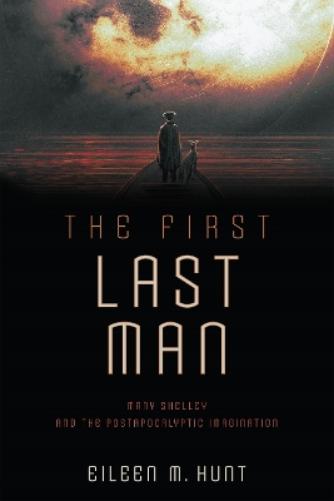
The First Last Man
Eileen M. Hunt
Venduto da Rarewaves.com USA, London, LONDO, Regno Unito
Venditore AbeBooks dal 11 giugno 2025
Nuovi - Rilegato
Condizione: Nuovo
Spedito da Regno Unito a U.S.A.
Quantità: 2 disponibili
Aggiungere al carrelloVenduto da Rarewaves.com USA, London, LONDO, Regno Unito
Venditore AbeBooks dal 11 giugno 2025
Condizione: Nuovo
Quantità: 2 disponibili
Aggiungere al carrelloBeyond her most famous creation-the nightmarish vision of Frankenstein's Creature-Mary Shelley's most enduring influence on politics, literature, and art perhaps stems from the legacy of her lesser-known novel about the near-extinction of the human species through war, disease, and corruption. This novel, The Last Man (1826), gives us the iconic image of a heroic survivor who narrates the history of an apocalyptic disaster in order to save humanity-if not as a species, then at least as the practice of compassion or humaneness. In visual and musical arts from 1826 to the present, this postapocalyptic figure has transmogrified from the "last man" into the globally familiar filmic images of the "invisible man" and the "final girl." Reading Shelley's work against the background of epidemic literature and political thought from ancient Greece to Covid-19, Eileen M. Hunt reveals how Shelley's postapocalyptic imagination has shaped science fiction and dystopian writing from H. G. Wells, M. P. Shiel, and George Orwell to Octavia Butler, Margaret Atwood, and Emily St. John Mandel. Through archival research into Shelley's personal journals and other writings, Hunt unearths Shelley's ruminations on her own personal experiences of loss, including the death of young children in her family to disease and the drowning of her husband, Percy Bysshe Shelley. Shelley's grief drove her to intensive study of Greek tragedy, through which she developed the thinking about plague, conflict, and collective responsibility that later emerges in her fiction. From her readings of classic works of plague literature to her own translation of Sophocles's Oedipus Rex, and from her authorship of the first major modern pandemic novel to her continued influence on contemporary popular culture, Shelley gave rise to a tradition of postapocalyptic thought that asks a question that the Covid-19 pandemic has made newly urgent for many: What do humans do after disaster?
Codice articolo LU-9780812254020
Beyond her most famous creation—the nightmarish vision of Frankenstein’s Creature—Mary Shelley’s most enduring influence on politics, literature, and art perhaps stems from the legacy of her lesser-known novel about the near-extinction of the human species through war, disease, and corruption. This novel, The Last Man (1826), gives us the iconic image of a heroic survivor who narrates the history of an apocalyptic disaster in order to save humanity—if not as a species, then at least as the practice of compassion or humaneness. In visual and musical arts from 1826 to the present, this postapocalyptic figure has transmogrified from the “last man” into the globally familiar filmic images of the “invisible man” and the “final girl.”
Reading Shelley’s work against the background of epidemic literature and political thought from ancient Greece to Covid-19, Eileen M. Hunt reveals how Shelley’s postapocalyptic imagination has shaped science fiction and dystopian writing from H. G. Wells, M. P. Shiel, and George Orwell to Octavia Butler, Margaret Atwood, and Emily St. John Mandel. Through archival research into Shelley’s personal journals and other writings, Hunt unearths Shelley’s ruminations on her own personal experiences of loss, including the death of young children in her family to disease and the drowning of her husband, Percy Bysshe Shelley. Shelley’s grief drove her to intensive study of Greek tragedy, through which she developed the thinking about plague, conflict, and collective responsibility that later emerges in her fiction. From her readings of classic works of plague literature to her own translation of Sophocles’s Oedipus Rex, and from her authorship of the first major modern pandemic novel to her continued influence on contemporary popular culture, Shelley gave rise to a tradition of postapocalyptic thought that asks a question that the Covid-19 pandemic has made newly urgent for many: What do humans do after disaster?
Le informazioni nella sezione "Su questo libro" possono far riferimento a edizioni diverse di questo titolo.
Visita la pagina della libreria
Se sei un consumatore puoi recedere dal contratto in conformità con quanto segue. Per Consumatore si intende qualsiasi persona fisica che agisce per scopi estranei alla propria attività commerciale, imprenditoriale, artigianale o professionale.
Informazioni sul diritto di recesso
Diritto legale di recesso
Hai il diritto di recedere dal presente contratto entro 14 giorni senza fornire alcuna motivazione.
Il periodo di recesso scade dopo 14 giorni dal giorno in cui tu o una terza parte, diversa dal vettore e da te indicata, acquisisce il possesso fisico dell'ultimo bene o dell'ultimo lotto o pezzo.
Per esercitare il diritto di recesso, compila e invia elettronicamente una dichiarazione esplicita sul nostro sito Web, alla voce “I miei acquisti” nella sezione “Mio account”. Ti comunicheremo senza indugio una conferma di ricezione di tale recesso su un supporto durevole (ad es. via e-mail).
Per rispettare il termine di recesso, è sufficiente inviare la comunicazione relativa all'esercizio del diritto di recesso prima della scadenza del periodo di recesso stesso.
Effetti del recesso
In caso di recesso dal presente contratto, ti rimborseremo tutti i pagamenti ricevuti, compresi i costi di spedizione (ad eccezione dei costi supplementari derivanti dalla tua eventuale scelta di un tipo di spedizione diverso dal tipo meno costoso di consegna standard da noi offerto).
Potremo effettuare una detrazione dal rimborso per la perdita di valore dei beni forniti, qualora tale perdita sia il risultato di una manipolazione non necessaria da parte tua.
Eseguiremo il rimborso senza indebito ritardo e non oltre 14 giorni dal giorno in cui saremo informati della tua decisione di recedere dal presente contratto.
Il rimborso sarà effettuato utilizzando lo stesso mezzo di pagamento da te usato per la transazione iniziale, salvo che tu non abbia espressamente concordato altrimenti; in ogni caso, non dovrai sostenere alcun costo quale conseguenza di tale rimborso.
Possiamo trattenere il rimborso finché non avremo ricevuto i beni oppure finché non avrai fornito la prova di averli rispediti, a seconda di quale condizione si verifichi per prima.
Dovrai rispedire i beni o consegnarli a Rarewaves.com USA, London, London, United Kingdom, senza indebito ritardo e, in ogni caso, entro 14 giorni dal giorno in cui ci hai comunicato la tua volontà di recedere dal presente contratto. Il termine è rispettato se rispedisci i beni prima della scadenza del periodo di 14 giorni. I costi diretti della restituzione dei beni saranno a tuo carico. Sei responsabile solo della diminuzione del valore dei beni risultante da una manipolazione diversa da quella necessaria per stabilire la natura, le caratteristiche e il funzionamento dei beni stessi.
Eccezioni al diritto di recesso
Il diritto di recesso non si applica a:
Please note that we do not offer Priority shipping to any country.
We currently do not ship to the below countries:
Russia
Belarus
Ukraine
Israel
Please do not attempt to place orders with any of these countries as a ship to address - they will be cancelled.
| Quantità dell'ordine | Da 10 a 15 giorni lavorativi | Da 10 a 15 giorni lavorativi |
|---|---|---|
| Primo articolo | EUR 0.00 | EUR 0.00 |
I tempi di consegna sono stabiliti dai venditori e variano in base al corriere e al paese. Gli ordini che devono attraversare una dogana possono subire ritardi e spetta agli acquirenti pagare eventuali tariffe o dazi associati. I venditori possono contattarti in merito ad addebiti aggiuntivi dovuti a eventuali maggiorazioni dei costi di spedizione dei tuoi articoli.