

Importo totale (1 articolo articoli):
Destinazione ordine:

amin magdi (21 risultati)
Vai alla pagina principale dei risultati di ricerca
Filtri di ricerca
Tipo di articolo
- Tutti i tipi di prodotto
- Libri (21)
- Riviste e Giornali (Nessun altro risultato corrispondente a questo perfezionamento)
- Fumetti (Nessun altro risultato corrispondente a questo perfezionamento)
- Spartiti (Nessun altro risultato corrispondente a questo perfezionamento)
- Arte, Stampe e Poster (Nessun altro risultato corrispondente a questo perfezionamento)
- Fotografie (Nessun altro risultato corrispondente a questo perfezionamento)
- Mappe (Nessun altro risultato corrispondente a questo perfezionamento)
- Manoscritti e Collezionismo cartaceo (Nessun altro risultato corrispondente a questo perfezionamento)
Condizioni Maggiori informazioni
- Nuovo (14)
- Come nuovo, Ottimo o Quasi ottimo (2)
- Molto buono o Buono (5)
- Discreto o Mediocre (Nessun altro risultato corrispondente a questo perfezionamento)
- Come descritto (Nessun altro risultato corrispondente a questo perfezionamento)
Legatura
- Tutte
- Rilegato (21)
- Brossura (Nessun altro risultato corrispondente a questo perfezionamento)
Ulteriori caratteristiche
- Prima ed. (2)
- Copia autograf. (Nessun altro risultato corrispondente a questo perfezionamento)
- Sovracoperta (1)
- Con foto (8)
- Non Print on Demand (14)
Lingua (1)
Spedizione gratuita
Paese del venditore
Valutazione venditore
-

After the Spring : Economic Transitions in the Arab World
Lingua: Inglese
Editore: Oxford University Press, Incorporated, 2012
ISBN 10: 0199924929 ISBN 13: 9780199924929
Da: Better World Books, Mishawaka, IN, U.S.A.
Valutazione del venditore 5 su 5 stelle

Prima edizione
Condizione: Good. 1st Edition. Pages intact with minimal writing/highlighting. The binding may be loose and creased. Dust jackets/supplements are not included. Stock photo provided. Product includes identifying sticker. Better World Books: Buy Books. Do Good.
-
After the Spring : Economic Transitions in the Arab World
Lingua: Inglese
Editore: Oxford University Press, Incorporated, 2012
ISBN 10: 0199924929 ISBN 13: 9780199924929
Da: Better World Books, Mishawaka, IN, U.S.A.
Valutazione del venditore 5 su 5 stelle
Prima edizione
Condizione: Very Good. 1st Edition. Pages intact with possible writing/highlighting. Binding strong with minor wear. Dust jackets/supplements may not be included. Stock photo provided. Product includes identifying sticker. Better World Books: Buy Books. Do Good.
-
After the Spring: Economic Transitions in the Arab World
Da: ThriftBooks-Dallas, Dallas, TX, U.S.A.
Valutazione del venditore 5 su 5 stelle
Hardcover. Condizione: Very Good. No Jacket. May have limited writing in cover pages. Pages are unmarked. ~ ThriftBooks: Read More, Spend Less.
-
After the Spring: Economic Transitions in the Arab World
Da: Midtown Scholar Bookstore, Harrisburg, PA, U.S.A.
Valutazione del venditore 5 su 5 stelle
hardcover. Condizione: Very Good. With very good dust jacket. Very Good hardcover with light shelfwear - NICE! Standard-sized.
-
After the Spring: Economic Transitions in the Arab World
Da: Brit Books, Milton Keynes, Regno Unito
Valutazione del venditore 4 su 5 stelle

EUR 22,22
Spedizione EUR 18,42
Spedito da Regno Unito a U.S.A.Quantità: 1 disponibili
Aggiungi al carrelloHardcover. Condizione: Used; Good. ***Simply Brit*** Welcome to our online used book store, where affordability meets great quality. Dive into a world of captivating reads without breaking the bank. We take pride in offering a wide selection of used books, from classics to hidden gems, ensuring there is something for every literary palate. All orders are shipped within 24 hours and our lightning fast-delivery within 48 hours coupled with our prompt customer service ensures a smooth journey from ordering to delivery. Discover the joy of reading with us, your trusted source for affordable books that do not compromise on quality.
-
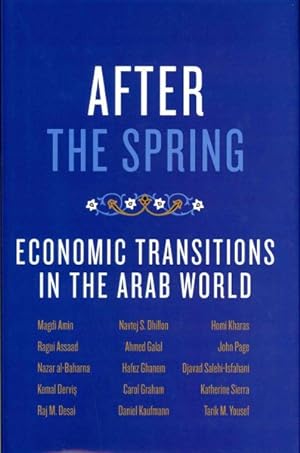
After the Spring : Economic Transitions in the Arab World
Da: GreatBookPrices, Columbia, MD, U.S.A.
Valutazione del venditore 5 su 5 stelle
EUR 46,02
Spedizione EUR 2,30
Spedito in U.S.A.Quantità: Più di 20 disponibili
Aggiungi al carrelloCondizione: New.
-
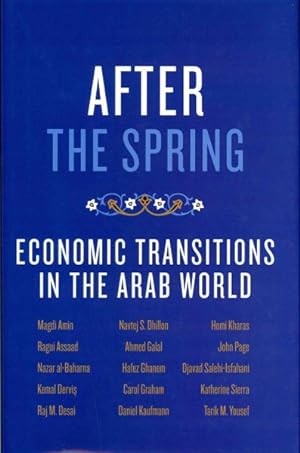
After the Spring : Economic Transitions in the Arab World
Da: GreatBookPrices, Columbia, MD, U.S.A.
Valutazione del venditore 5 su 5 stelle
EUR 46,10
Spedizione EUR 2,30
Spedito in U.S.A.Quantità: Più di 20 disponibili
Aggiungi al carrelloCondizione: As New. Unread book in perfect condition.
-

After the Spring
Lingua: Inglese
Editore: Oxford University Press Inc, US, 2012
ISBN 10: 0199924929 ISBN 13: 9780199924929
Da: Rarewaves.com USA, London, LONDO, Regno Unito
Valutazione del venditore 5 su 5 stelle
EUR 50,53
Spedizione gratuita
Spedito da Regno Unito a U.S.A.Quantità: Più di 20 disponibili
Aggiungi al carrelloHardback. Condizione: New. The Arab Spring constitutes perhaps the most far-reaching political and economic transition since the end of communism in Europe. For too long, the economic aspirations of the people in the region, especially young people, have been ignored by leaders in Arab countries and abroad. Competing views as to how best to meet these aspirations are now being debated in the region. The outcome will shape Arab societies for generations to come.The authors of this book argue that significant economic reforms must accompany the major political transitions that are underway. Although each country has a different economic structure and history and must make its own way forward, there are spill-overs from trade and investment linkages, the contagion of news cycles, interaction of people and sharing of expectations that are too great to ignore. Some common foundation of the new Arab economies is needed. Towards that end, this volume addresses four central challenges of economic reform in the Arab world. First, with two-thirds of the population under the age of 30, the disproportionate burdens of unemployment and poor education can no longer be heaped on youth. Second, while some government policies may have improved the living standards of Arab citizens in the past, they have also entrenched cronies, enriched a small elite, and become unaffordable. Third, if Arab economies are to compete in the 21st century they cannot depend solely on oil and gas money, remittances, and tourism, but will require active, independent private sectors. And finally, the relative isolation of Arab economies--both from each other and from the world--must end.Rather than providing specific lists of recommendations, this book sets forth a set of guidelines and priorities for reformers who will begin creating new opportunities for youth, rebuilding the institutions of the state, diversifying the private sector, and cooperating with each other and integrating with the world economy.
-
After the Spring: Economic Transitions in the Arab World
Da: Ria Christie Collections, Uxbridge, Regno Unito
Valutazione del venditore 5 su 5 stelle
EUR 44,02
Spedizione EUR 13,80
Spedito da Regno Unito a U.S.A.Quantità: Più di 20 disponibili
Aggiungi al carrelloCondizione: New. In.
-
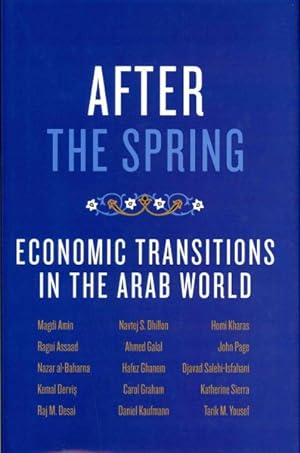
After the Spring : Economic Transitions in the Arab World
Da: GreatBookPricesUK, Woodford Green, Regno Unito
Valutazione del venditore 5 su 5 stelle
EUR 44,00
Spedizione EUR 17,28
Spedito da Regno Unito a U.S.A.Quantità: Più di 20 disponibili
Aggiungi al carrelloCondizione: New.
-
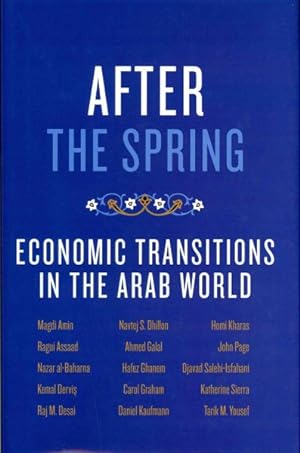
After the Spring : Economic Transitions in the Arab World
Da: GreatBookPricesUK, Woodford Green, Regno Unito
Valutazione del venditore 5 su 5 stelle
EUR 48,98
Spedizione EUR 17,28
Spedito da Regno Unito a U.S.A.Quantità: Più di 20 disponibili
Aggiungi al carrelloCondizione: As New. Unread book in perfect condition.
-
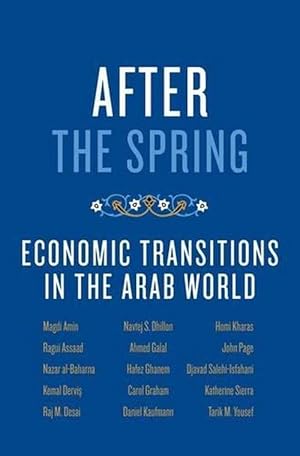
After the Spring (Hardcover)
Lingua: Inglese
Editore: Oxford University Press Inc, New York, 2012
ISBN 10: 0199924929 ISBN 13: 9780199924929
Da: Grand Eagle Retail, Bensenville, IL, U.S.A.
Valutazione del venditore 5 su 5 stelle
Hardcover. Condizione: new. Hardcover. The Arab Spring constitutes perhaps the most far-reaching political and economic transition since the end of communism in Europe. For too long, the economic aspirations of the people in the region, especially young people, have been ignored by leaders in Arab countries and abroad. Competing views as to how best to meet these aspirations are now being debated in the region. The outcome will shape Arab societies for generations to come.The authors of this book argue that significant economic reforms must accompany the major political transitions that are underway. Although each country has a different economic structure and history and must make its own way forward, there are spill-overs from trade and investment linkages, the contagion of news cycles, interaction of people and sharing of expectations that are too great to ignore. Some common foundation of the new Arab economies is needed. Towards that end, this volume addresses four central challenges of economic reform in the Arab world. First, with two-thirds of the population under the age of 30, the disproportionate burdens of unemployment and poor education can no longer be heaped on youth. Second, while some government policies may have improved the living standards of Arab citizens in the past, they have also entrenched cronies, enriched a small elite, and become unaffordable. Third, if Arab economies are to compete in the 21st century they cannot depend solely on oil and gas money, remittances, and tourism, but will require active, independent private sectors. And finally, the relative isolation of Arab economies--both from each other and from the world--must end.Rather than providing specific lists of recommendations, this book sets forth a set of guidelines and priorities for reformers who will begin creating new opportunities for youth, rebuilding the institutions of the state, diversifying the private sector, and cooperating with each other and integrating with the world economy. This volume examines the economic problems of Arab countries following the Arab Spring. The authors argue that reforms need to accomplish four objectives: more opportunities for youth, modernization of the state, creation of a competitive private economy, and integration of Arab countries with the global economy. Shipping may be from multiple locations in the US or from the UK, depending on stock availability.
-
After the Spring: Economic Transitions in the Arab World
Da: Revaluation Books, Exeter, Regno Unito
Valutazione del venditore 5 su 5 stelle
EUR 111,62
Spedizione EUR 11,52
Spedito da Regno Unito a U.S.A.Quantità: 2 disponibili
Aggiungi al carrelloHardcover. Condizione: Brand New. 1st edition. 192 pages. 9.30x6.10x0.70 inches. In Stock.
-

After the Spring
Lingua: Inglese
Editore: Oxford University Press Inc, US, 2012
ISBN 10: 0199924929 ISBN 13: 9780199924929
Da: Rarewaves.com UK, London, Regno Unito
Valutazione del venditore 5 su 5 stelle
EUR 45,80
Spedizione EUR 74,88
Spedito da Regno Unito a U.S.A.Quantità: Più di 20 disponibili
Aggiungi al carrelloHardback. Condizione: New. The Arab Spring constitutes perhaps the most far-reaching political and economic transition since the end of communism in Europe. For too long, the economic aspirations of the people in the region, especially young people, have been ignored by leaders in Arab countries and abroad. Competing views as to how best to meet these aspirations are now being debated in the region. The outcome will shape Arab societies for generations to come.The authors of this book argue that significant economic reforms must accompany the major political transitions that are underway. Although each country has a different economic structure and history and must make its own way forward, there are spill-overs from trade and investment linkages, the contagion of news cycles, interaction of people and sharing of expectations that are too great to ignore. Some common foundation of the new Arab economies is needed. Towards that end, this volume addresses four central challenges of economic reform in the Arab world. First, with two-thirds of the population under the age of 30, the disproportionate burdens of unemployment and poor education can no longer be heaped on youth. Second, while some government policies may have improved the living standards of Arab citizens in the past, they have also entrenched cronies, enriched a small elite, and become unaffordable. Third, if Arab economies are to compete in the 21st century they cannot depend solely on oil and gas money, remittances, and tourism, but will require active, independent private sectors. And finally, the relative isolation of Arab economies--both from each other and from the world--must end.Rather than providing specific lists of recommendations, this book sets forth a set of guidelines and priorities for reformers who will begin creating new opportunities for youth, rebuilding the institutions of the state, diversifying the private sector, and cooperating with each other and integrating with the world economy.
-
After the Spring: Economic Transitions in the Arab World (eng)
Da: Brook Bookstore On Demand, Napoli, NA, Italia
Valutazione del venditore 4 su 5 stelle
EUR 54,87
Spedizione EUR 5,50
Spedito da Italia a U.S.A.Quantità: Più di 20 disponibili
Aggiungi al carrelloCondizione: new. Questo è un articolo print on demand.
-
After the Spring: Economic Transitions in the Arab World
Lingua: Inglese
Editore: Oxford University Press Inc, 2012
ISBN 10: 0199924929 ISBN 13: 9780199924929
Da: THE SAINT BOOKSTORE, Southport, Regno Unito
Valutazione del venditore 5 su 5 stelle
EUR 50,88
Spedizione EUR 17,36
Spedito da Regno Unito a U.S.A.Quantità: Più di 20 disponibili
Aggiungi al carrelloHardback. Condizione: New. This item is printed on demand. New copy - Usually dispatched within 5-9 working days.
-
After the Spring
Da: Majestic Books, Hounslow, Regno Unito
Valutazione del venditore 4 su 5 stelle
EUR 64,61
Spedizione EUR 7,49
Spedito da Regno Unito a U.S.A.Quantità: 4 disponibili
Aggiungi al carrelloCondizione: New. Print on Demand pp. x + 179 21 Illus.
-
After the Spring
Lingua: Inglese
Editore: Oxford University Press OUP, 2012
ISBN 10: 0199924929 ISBN 13: 9780199924929
Da: Books Puddle, New York, NY, U.S.A.
Valutazione del venditore 4 su 5 stelle
Condizione: New. Print on Demand pp. x + 179.
-
After the Spring
Da: Biblios, Frankfurt am main, HESSE, Germania
Valutazione del venditore 4 su 5 stelle
EUR 64,77
Spedizione EUR 9,95
Spedito da Germania a U.S.A.Quantità: 4 disponibili
Aggiungi al carrelloCondizione: New. PRINT ON DEMAND pp. x + 179.
-
After the Spring (Hardcover)
Lingua: Inglese
Editore: Oxford University Press Inc, New York, 2012
ISBN 10: 0199924929 ISBN 13: 9780199924929
Da: CitiRetail, Stevenage, Regno Unito
Valutazione del venditore 5 su 5 stelle
EUR 49,82
Spedizione EUR 42,62
Spedito da Regno Unito a U.S.A.Quantità: 1 disponibili
Aggiungi al carrelloHardcover. Condizione: new. Hardcover. The Arab Spring constitutes perhaps the most far-reaching political and economic transition since the end of communism in Europe. For too long, the economic aspirations of the people in the region, especially young people, have been ignored by leaders in Arab countries and abroad. Competing views as to how best to meet these aspirations are now being debated in the region. The outcome will shape Arab societies for generations to come.The authors of this book argue that significant economic reforms must accompany the major political transitions that are underway. Although each country has a different economic structure and history and must make its own way forward, there are spill-overs from trade and investment linkages, the contagion of news cycles, interaction of people and sharing of expectations that are too great to ignore. Some common foundation of the new Arab economies is needed. Towards that end, this volume addresses four central challenges of economic reform in the Arab world. First, with two-thirds of the population under the age of 30, the disproportionate burdens of unemployment and poor education can no longer be heaped on youth. Second, while some government policies may have improved the living standards of Arab citizens in the past, they have also entrenched cronies, enriched a small elite, and become unaffordable. Third, if Arab economies are to compete in the 21st century they cannot depend solely on oil and gas money, remittances, and tourism, but will require active, independent private sectors. And finally, the relative isolation of Arab economies--both from each other and from the world--must end.Rather than providing specific lists of recommendations, this book sets forth a set of guidelines and priorities for reformers who will begin creating new opportunities for youth, rebuilding the institutions of the state, diversifying the private sector, and cooperating with each other and integrating with the world economy. This volume examines the economic problems of Arab countries following the Arab Spring. The authors argue that reforms need to accomplish four objectives: more opportunities for youth, modernization of the state, creation of a competitive private economy, and integration of Arab countries with the global economy. This item is printed on demand. Shipping may be from our UK warehouse or from our Australian or US warehouses, depending on stock availability.
-

EUR 63,91
Spedizione EUR 62,28
Spedito da Germania a U.S.A.Quantità: 2 disponibili
Aggiungi al carrelloBuch. Condizione: Neu. nach der Bestellung gedruckt Neuware - Printed after ordering - The Arab Spring constitutes perhaps the most far-reaching political and economic transition since the end of communism in Europe. For too long, the economic aspirations of the people in the region, especially young people, have been ignored by leaders in Arab countries and abroad. Competing views as to how best to meet these aspirations are now being debated in the region. The outcome will shape Arab societies for generations to come.The authors of this book argue that significant economic reforms must accompany the major political transitions that are underway. Although each country has a different economic structure and history and must make its own way forward, there are spill-overs from trade and investment linkages, the contagion of news cycles, interaction of people and sharing of expectations that are too great to ignore. Some common foundation of the new Arab economies is needed. Towards that end, this volume addresses four central challenges of economic reform in the Arab world. First, with two-thirds of the population under the age of 30, the disproportionate burdens of unemployment and poor education can no longer be heaped on youth. Second, while some government policies may have improved the living standards of Arab citizens in the past, they have also entrenched cronies, enriched a small elite, and become unaffordable. Third, if Arab economies are to compete in the 21st century they cannot depend solely on oil and gas money, remittances, and tourism, but will require active, independent private sectors. And finally, the relative isolation of Arab economies--both from each other and from the world--must end.Rather than providing specific lists of recommendations, this book sets forth a set of guidelines and priorities for reformers who will begin creating new opportunities for youth, rebuilding the institutions of the state, diversifying the private sector, and cooperating with each other and integrating with the world economy.

