
Chabot sean (25 risultati)
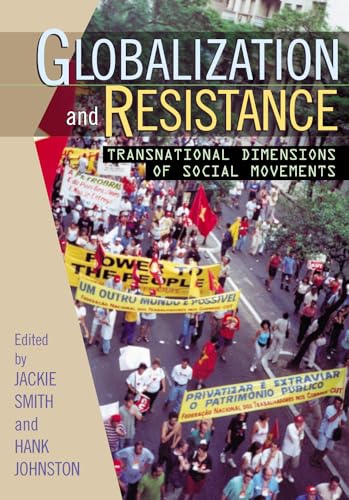
Globalization and Resistance: Transnational Dimensions of Social Movements
Smith, Jackie [Editor]; Johnston, Hank [Editor]; Ayres, Jeffrey M. [Contributor]; Caniglia, Beth Schaefer [Contributor]; Chabot, Sean [Contributor]; Giugni, Marco G. [Contributor]; Hanagan, Michael [Contributor]; Johnston, Hank [Contributor]; Lewis, Tammy L. [Contributor]; Maney, Gregory M. [Contributor]; Nepstad, Sharon Erickson [Contributor]; Oliver, Pamela E. [Contributor]; Reimann, Kim D. [Contributor]; Rothman, Franklin Daniel [Contributor]; Tarrow, Sidney [Contributor];
- Brossura
Da: The Book Cellar, LLC, Nashua, NH, U.S.A.The Book Cellar, LLC
Contatta il venditoreVenditore con 5 stelleCondizione: Usato - Molto buono
EUR 4,49
EUR 3,49 spedizioneSpedito in U.S.A.Quantità: 1 disponibili
paperback. Condizione: Very Good. Great used condition. name written inside front coverOver 1,000,000 satisfied customers since 1997! Choose expedited shipping (if available) for much faster delivery. Delivery confirmation on all US orders.

Globalization and Resistance : Transnational Dimensions of Social Movements
Smith, Jackie G. (EDT); Johnston, Hank (EDT); Ayres, Jeffrey M. (CON); Caniglia, Beth Schaefer (CON); Chabot, Sean (CON)
- Brossura
Da: GreatBookPrices, Columbia, MD, U.S.A.GreatBookPrices
Contatta il venditoreVenditore con 5 stelleCondizione: Nuovo
EUR 54,38
EUR 2,31 spedizioneSpedito in U.S.A.Quantità: 1 disponibili
Condizione: New.

Globalization and Resistance : Transnational Dimensions of Social Movements
Smith, Jackie G. (EDT); Johnston, Hank (EDT); Ayres, Jeffrey M. (CON); Caniglia, Beth Schaefer (CON); Chabot, Sean (CON)
- Brossura
Da: GreatBookPrices, Columbia, MD, U.S.A.GreatBookPrices
Contatta il venditoreVenditore con 5 stelleCondizione: Usato - Come nuovo
EUR 56,35
EUR 2,31 spedizioneSpedito in U.S.A.Quantità: 1 disponibili
Condizione: As New. Unread book in perfect condition.

- Brossura
Da: GreatBookPrices, Columbia, MD, U.S.A.GreatBookPrices
Contatta il venditoreVenditore con 5 stelleCondizione: Nuovo
EUR 67,23
EUR 2,31 spedizioneSpedito in U.S.A.Quantità: Più di 20 disponibili
Condizione: New.

- Brossura
Da: GreatBookPrices, Columbia, MD, U.S.A.GreatBookPrices
Contatta il venditoreVenditore con 5 stelleCondizione: Usato - Come nuovo
EUR 67,75
EUR 2,31 spedizioneSpedito in U.S.A.Quantità: Più di 20 disponibili
Condizione: As New. Unread book in perfect condition.
Globalization and Resistance : Transnational Dimensions of Social Movements
Smith, Jackie G. (EDT); Johnston, Hank (EDT); Ayres, Jeffrey M. (CON); Caniglia, Beth Schaefer (CON); Chabot, Sean (CON)
- Brossura
Da: GreatBookPricesUK, Woodford Green, Regno UnitoGreatBookPricesUK
Contatta il venditoreVenditore con 5 stelleCondizione: Nuovo
EUR 53,83
EUR 17,56 spedizioneSpedito da Regno Unito a U.S.A.Quantità: 1 disponibili
Condizione: New.
Globalization and Resistance: Transnational Dimensions of Social Movements
Smith, Jackie [Editor]; Johnston, Hank [Editor]; Ayres, Jeffrey M. [Contributor]; Caniglia, Beth Schaefer [Contributor]; Chabot, Sean [Contributor]; Giugni, Marco G. [Contributor]; Hanagan, Michael [Contributor]; Johnston, Hank [Contributor]; Lewis, Tammy L. [Contributor]; Maney, Gregory M. [Contributor]; Nepstad, Sharon Erickson [Contributor]; Oliver, Pamela E. [Contributor]; Reimann, Kim D. [Contributor]; Rothman, Franklin Daniel [Contributor]; Tarrow, Sidney [Contributor];
- Brossura
Da: BennettBooksLtd, Los Angeles, CA, U.S.A.BennettBooksLtd
Contatta il venditoreVenditore con 5 stelleCondizione: Nuovo
EUR 69,83
EUR 6,07 spedizioneSpedito in U.S.A.Quantità: 1 disponibili
paperback. Condizione: New. In shrink wrap. Looks like an interesting title.

- Brossura
Da: Ria Christie Collections, Uxbridge, Regno UnitoRia Christie Collections
Contatta il venditoreVenditore con 5 stelleCondizione: Nuovo
EUR 67,43
EUR 14,02 spedizioneSpedito da Regno Unito a U.S.A.Quantità: Più di 20 disponibili
Condizione: New. In.

Globalization and Resistance : Transnational Dimensions of Social Movements
Smith, Jackie G. (EDT); Johnston, Hank (EDT); Ayres, Jeffrey M. (CON); Caniglia, Beth Schaefer (CON); Chabot, Sean (CON)
- Brossura
Da: GreatBookPricesUK, Woodford Green, Regno UnitoGreatBookPricesUK
Contatta il venditoreVenditore con 5 stelleCondizione: Usato - Come nuovo
EUR 63,33
EUR 17,56 spedizioneSpedito da Regno Unito a U.S.A.Quantità: 1 disponibili
Condizione: As New. Unread book in perfect condition.
- Brossura
Da: GreatBookPricesUK, Woodford Green, Regno UnitoGreatBookPricesUK
Contatta il venditoreVenditore con 5 stelleCondizione: Nuovo
EUR 67,42
EUR 17,56 spedizioneSpedito da Regno Unito a U.S.A.Quantità: Più di 20 disponibili
Condizione: New.

- Brossura
Da: GreatBookPricesUK, Woodford Green, Regno UnitoGreatBookPricesUK
Contatta il venditoreVenditore con 5 stelleCondizione: Usato - Come nuovo
EUR 74,12
EUR 17,56 spedizioneSpedito da Regno Unito a U.S.A.Quantità: Più di 20 disponibili
Condizione: As New. Unread book in perfect condition.
- Brossura
Da: Revaluation Books, Exeter, Regno UnitoRevaluation Books
Contatta il venditoreVenditore con 5 stelleCondizione: Nuovo
EUR 93,45
EUR 11,71 spedizioneSpedito da Regno Unito a U.S.A.Quantità: 2 disponibili
Paperback. Condizione: Brand New. reprint edition. 211 pages. 9.25x6.50x0.75 inches. In Stock.

- Rilegato
Da: Ria Christie Collections, Uxbridge, Regno UnitoRia Christie Collections
Contatta il venditoreVenditore con 5 stelleCondizione: Nuovo
EUR 123,00
EUR 14,02 spedizioneSpedito da Regno Unito a U.S.A.Quantità: Più di 20 disponibili
Condizione: New. In.
- Rilegato
Da: Revaluation Books, Exeter, Regno UnitoRevaluation Books
Contatta il venditoreVenditore con 5 stelleCondizione: Nuovo
EUR 202,62
EUR 11,71 spedizioneSpedito da Regno Unito a U.S.A.Quantità: 2 disponibili
Hardcover. Condizione: Brand New. 211 pages. 9.00x6.25x0.75 inches. In Stock.
- Brossura
- Print on Demand
Da: Grand Eagle Retail, Bensenville, IL, U.S.A.Grand Eagle Retail
Contatta il venditoreVenditore con 5 stelleCondizione: Nuovo
EUR 69,61
Spedizione gratuitaSpedito in U.S.A.Quantità: 1 disponibili
Paperback. Condizione: new. Paperback. How did African Americans gain the ability to apply Gandhian nonviolence during the civil rights movement? Responses generally focus on Martin Luther Kings pilgrimage to nonviolence or favorable social contexts and processes. This book, in contrast, highlights the role of collective learnin…g in the Gandhian repertoires transnational diffusion. Collective learning shaped the invention of the Gandhian repertoire in South Africa and India as well as its transnational diffusion to the United States. In the 1920s, African Americans and their allies responded to Gandhis ideas and practices by reproducing stereotypes. Meaningful collective learning started with translation of the Gandhian repertoire in the 1930s and small-scale experimentation in the early 1940s. After surviving the doldrums of the McCarthy era, full implementation of the Gandhian repertoire finally occurred during the civil rights movement between 1955 and 1965. This book goes beyond existing scholarship by contributing deeper and finer insights on how transnational diffusion between social movements actually works. It highlights the contemporary relevance of Gandhian nonviolence and its successful journey across borders. This book explores collective learning in the Gandhian repertoire's transnational diffusion from the Indian independence movement to the American civil rights movement. Instead of focusing primarily on interpersonal linkages or causal mechanisms, it highlights how decades of . This item is printed on demand. Shipping may be from multiple locations in the US or from the UK, depending on stock availability.
- Brossura
- Print on Demand
Da: PBShop.store US, Wood Dale, IL, U.S.A.PBShop.store US
Contatta il venditoreVenditore con 5 stelleCondizione: Nuovo
EUR 69,67
Spedizione gratuitaSpedito in U.S.A.Quantità: Più di 20 disponibili
PAP. Condizione: New. New Book. Shipped from UK. THIS BOOK IS PRINTED ON DEMAND. Established seller since 2000.
- Brossura
- Print on Demand
Da: PBShop.store UK, Fairford, GLOS, Regno UnitoPBShop.store UK
Contatta il venditoreVenditore con 5 stelleCondizione: Nuovo
EUR 68,26
EUR 4,87 spedizioneSpedito da Regno Unito a U.S.A.Quantità: Più di 20 disponibili
PAP. Condizione: New. New Book. Delivered from our UK warehouse in 4 to 14 business days. THIS BOOK IS PRINTED ON DEMAND. Established seller since 2000.
- Brossura
- Print on Demand
Da: THE SAINT BOOKSTORE, Southport, Regno UnitoTHE SAINT BOOKSTORE
Contatta il venditoreVenditore con 5 stelleCondizione: Nuovo
EUR 78,41
EUR 16,87 spedizioneSpedito da Regno Unito a U.S.A.Quantità: Più di 20 disponibili
Paperback / softback. Condizione: New. This item is printed on demand. New copy - Usually dispatched within 5-9 working days.
- Brossura
- Print on Demand
Da: CitiRetail, Stevenage, Regno UnitoCitiRetail
Contatta il venditoreVenditore con 5 stelleCondizione: Nuovo
EUR 73,54
EUR 43,31 spedizioneSpedito da Regno Unito a U.S.A.Quantità: 1 disponibili
Paperback. Condizione: new. Paperback. How did African Americans gain the ability to apply Gandhian nonviolence during the civil rights movement? Responses generally focus on Martin Luther Kings pilgrimage to nonviolence or favorable social contexts and processes. This book, in contrast, highlights the role of collective learnin…g in the Gandhian repertoires transnational diffusion. Collective learning shaped the invention of the Gandhian repertoire in South Africa and India as well as its transnational diffusion to the United States. In the 1920s, African Americans and their allies responded to Gandhis ideas and practices by reproducing stereotypes. Meaningful collective learning started with translation of the Gandhian repertoire in the 1930s and small-scale experimentation in the early 1940s. After surviving the doldrums of the McCarthy era, full implementation of the Gandhian repertoire finally occurred during the civil rights movement between 1955 and 1965. This book goes beyond existing scholarship by contributing deeper and finer insights on how transnational diffusion between social movements actually works. It highlights the contemporary relevance of Gandhian nonviolence and its successful journey across borders. This book explores collective learning in the Gandhian repertoire's transnational diffusion from the Indian independence movement to the American civil rights movement. Instead of focusing primarily on interpersonal linkages or causal mechanisms, it highlights how decades of . This item is printed on demand. Shipping may be from our UK warehouse or from our Australian or US warehouses, depending on stock availability.
- Rilegato
- Print on Demand
Da: PBShop.store US, Wood Dale, IL, U.S.A.PBShop.store US
Contatta il venditoreVenditore con 5 stelleCondizione: Nuovo
EUR 127,58
Spedizione gratuitaSpedito in U.S.A.Quantità: Più di 20 disponibili
HRD. Condizione: New. New Book. Shipped from UK. THIS BOOK IS PRINTED ON DEMAND. Established seller since 2000.
- Rilegato
- Print on Demand
Da: PBShop.store UK, Fairford, GLOS, Regno UnitoPBShop.store UK
Contatta il venditoreVenditore con 5 stelleCondizione: Nuovo
EUR 124,98
EUR 5,88 spedizioneSpedito da Regno Unito a U.S.A.Quantità: Più di 20 disponibili
HRD. Condizione: New. New Book. Delivered from our UK warehouse in 4 to 14 business days. THIS BOOK IS PRINTED ON DEMAND. Established seller since 2000.

- Brossura
- Print on Demand
Da: AHA-BUCH GmbH, Einbeck, GermaniaAHA-BUCH GmbH
Contatta il venditoreVenditore con 5 stelleCondizione: Nuovo
EUR 83,02
EUR 61,65 spedizioneSpedito da Germania a U.S.A.Quantità: 1 disponibili
Taschenbuch. Condizione: Neu. nach der Bestellung gedruckt Neuware - Printed after ordering - This book explores collective learning in the Gandhian repertoire's transnational diffusion from the Indian independence movement to the American civil rights movement. Instead of focusing primarily on interpersonal linkages or causal m…echanisms, it highlights how decades of translation and experimentation by various actors enabled full implementation. It also shows that transnational diffusion was not a linear and predictable process, but underwent numerous twists and turns. It is relevant for contemporary scholars as well as activists.
- Rilegato
- Print on Demand
Da: Grand Eagle Retail, Bensenville, IL, U.S.A.Grand Eagle Retail
Contatta il venditoreVenditore con 5 stelleCondizione: Nuovo
EUR 164,20
Spedizione gratuitaSpedito in U.S.A.Quantità: 1 disponibili
Hardcover. Condizione: new. Hardcover. How did African Americans gain the ability to apply Gandhian nonviolence during the civil rights movement? Responses generally focus on Martin Luther Kings pilgrimage to nonviolence or favorable social contexts and processes. This book, in contrast, highlights the role of collective learnin…g in the Gandhian repertoires transnational diffusion. Collective learning shaped the invention of the Gandhian repertoire in South Africa and India as well as its transnational diffusion to the United States. In the 1920s, African Americans and their allies responded to Gandhis ideas and practices by reproducing stereotypes. Meaningful collective learning started with translation of the Gandhian repertoire in the 1930s and small-scale experimentation in the early 1940s. After surviving the doldrums of the McCarthy era, full implementation of the Gandhian repertoire finally occurred during the civil rights movement between 1955 and 1965. This book goes beyond existing scholarship by contributing deeper and finer insights on how transnational diffusion between social movements actually works. It highlights the contemporary relevance of Gandhian nonviolence and its successful journey across borders. This book explores collective learning in the Gandhian repertoire's transnational diffusion from the Indian independence movement to the American civil rights movement. Instead of focusing primarily on interpersonal linkages or causal mechanisms, it highlights how decades of . This item is printed on demand. Shipping may be from multiple locations in the US or from the UK, depending on stock availability.
- Rilegato
- Print on Demand
Da: CitiRetail, Stevenage, Regno UnitoCitiRetail
Contatta il venditoreVenditore con 5 stelleCondizione: Nuovo
EUR 132,01
EUR 43,31 spedizioneSpedito da Regno Unito a U.S.A.Quantità: 1 disponibili
Hardcover. Condizione: new. Hardcover. How did African Americans gain the ability to apply Gandhian nonviolence during the civil rights movement? Responses generally focus on Martin Luther Kings pilgrimage to nonviolence or favorable social contexts and processes. This book, in contrast, highlights the role of collective learnin…g in the Gandhian repertoires transnational diffusion. Collective learning shaped the invention of the Gandhian repertoire in South Africa and India as well as its transnational diffusion to the United States. In the 1920s, African Americans and their allies responded to Gandhis ideas and practices by reproducing stereotypes. Meaningful collective learning started with translation of the Gandhian repertoire in the 1930s and small-scale experimentation in the early 1940s. After surviving the doldrums of the McCarthy era, full implementation of the Gandhian repertoire finally occurred during the civil rights movement between 1955 and 1965. This book goes beyond existing scholarship by contributing deeper and finer insights on how transnational diffusion between social movements actually works. It highlights the contemporary relevance of Gandhian nonviolence and its successful journey across borders. This book explores collective learning in the Gandhian repertoire's transnational diffusion from the Indian independence movement to the American civil rights movement. Instead of focusing primarily on interpersonal linkages or causal mechanisms, it highlights how decades of . This item is printed on demand. Shipping may be from our UK warehouse or from our Australian or US warehouses, depending on stock availability.

- Rilegato
- Print on Demand
Da: AHA-BUCH GmbH, Einbeck, GermaniaAHA-BUCH GmbH
Contatta il venditoreVenditore con 5 stelleCondizione: Nuovo
EUR 162,10
EUR 62,58 spedizioneSpedito da Germania a U.S.A.Quantità: 1 disponibili
Buch. Condizione: Neu. nach der Bestellung gedruckt Neuware - Printed after ordering - This book explores collective learning in the Gandhian repertoire's transnational diffusion from the Indian independence movement to the American civil rights movement. Instead of focusing primarily on interpersonal linkages or causal mechanis…ms, it highlights how decades of translation and experimentation by various actors enabled full implementation. It also shows that transnational diffusion was not a linear and predictable process, but underwent numerous twists and turns. It is relevant for contemporary scholars as well as activists.


