

Importo totale (1 articolo articoli):
Destinazione ordine:

diego moldes (147 risultati)
Vai alla pagina principale dei risultati di ricerca
Filtri di ricerca
Tipo di articolo
- Tutti i tipi di prodotto
- Libri (147)
- Riviste e Giornali (Nessun altro risultato corrispondente a questo perfezionamento)
- Fumetti (Nessun altro risultato corrispondente a questo perfezionamento)
- Spartiti (Nessun altro risultato corrispondente a questo perfezionamento)
- Arte, Stampe e Poster (Nessun altro risultato corrispondente a questo perfezionamento)
- Fotografie (Nessun altro risultato corrispondente a questo perfezionamento)
- Mappe (Nessun altro risultato corrispondente a questo perfezionamento)
- Manoscritti e Collezionismo cartaceo (Nessun altro risultato corrispondente a questo perfezionamento)
Condizioni Maggiori informazioni
- Nuovo (96)
- Come nuovo, Ottimo o Quasi ottimo (9)
- Molto buono o Buono (36)
- Discreto o Mediocre (Nessun altro risultato corrispondente a questo perfezionamento)
- Come descritto (6)
Legatura
Ulteriori caratteristiche
- Prima ed. (2)
- Copia autograf. (Nessun altro risultato corrispondente a questo perfezionamento)
- Sovracoperta (18)
- Con foto (56)
- Non Print on Demand (147)
Lingua (3)
Spedizione gratuita
Paese del venditore
Valutazione venditore
-
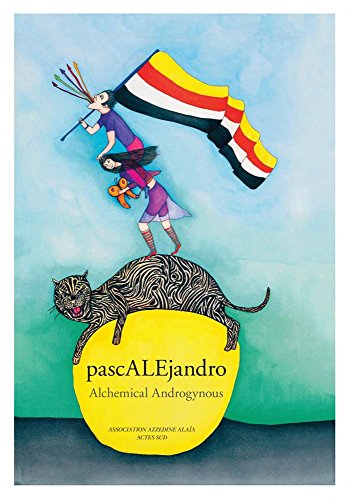
Alejandro Jodorowsky & Pascale Montandon-Jodorowsky: PascALEjandro (Arts plastiques)
Da: Midtown Scholar Bookstore, Harrisburg, PA, U.S.A.
Valutazione del venditore 5 su 5 stelle

Hardcover. Condizione: Very Good. Very Good - Crisp, clean, unread book with some shelfwear/edgewear, may have a remainder mark - NICE Oversized.
-
Alejandro Jodorowsky & Pascale Montandon-Jodorowsky: PascALEjandro (Arts plastiques)
Da: Midtown Scholar Bookstore, Harrisburg, PA, U.S.A.
Valutazione del venditore 5 su 5 stelle
Hardcover. Condizione: Good. Good - Bumped and creased book with tears to the extremities, but not affecting the text block, may have remainder mark or previous owner's name - GOOD Standard-sized.
-

EUR 6,19
Spedizione EUR 10,00
Spedito da Germania a U.S.A.Quantità: 1 disponibili
Aggiungi al carrelloCondizione: very good. Gut/Very good: Buch bzw. Schutzumschlag mit wenigen Gebrauchsspuren an Einband, Schutzumschlag oder Seiten. / Describes a book or dust jacket that does show some signs of wear on either the binding, dust jacket or pages.
-
EUR 4,68
Spedizione EUR 12,99
Spedito da Spagna a U.S.A.Quantità: 1 disponibili
Aggiungi al carrelloCondizione: Como nuevo. : Sumérgete en el universo poético de Diego Moldes con 'Ni un día sin poesía'. Este libro es una recopilación de poemas escritos a diario por el autor, inspirados en los consejos de Luis Alberto de Cuenca y Alejandro Jodorowsky. Los versos exploran el simbolismo, la mitología y la tensión entre el agnosticismo intelectual y la espiritualidad oriental, invitando al lector a un viaje a través de ciudades europeas y al interior del alma del poeta. Una obra que refleja la belleza encontrada en la cotidianidad y la profundidad de la experiencia humana. EAN: 9788417284220 Tipo: Libros Categoría: Otros Título: Ni un día sin poesía Autor: Diego Moldes González Editorial: MueveTuLengua Idioma: es-ES Páginas: 200 Formato: tapa blanda.
-

EUR 4,68
Spedizione EUR 12,99
Spedito da Spagna a U.S.A.Quantità: 1 disponibili
Aggiungi al carrelloCondizione: Como nuevo. : Ensoñación es una novela del autor Diego Moldes, publicada por Pigmalion en 2012. La historia narra la vida de un expolicía que, tras ser expulsado del cuerpo y abandonado por su familia, decide regresar a su pueblo natal en la costa gallega. Allí conoce a Anastasia, una joven de la que se enamora, pero su relación se complica cuando el protagonista se involucra en las tertulias de un misterioso arquitecto alemán llamado Berger, descubriendo secretos ocultos que perturban su idílico romance. EAN: 9788415244264 Tipo: Libros Categoría: Literatura y Ficción Título: Ensoñación Autor: Diego Moldes Editorial: Grupo Editorial Sial Pigmalión, S.L. Idioma: es-ES Páginas: 186 Formato: tapa blanda.
-
Alejandro Jodorowsky & Pascale Montandon-Jodorowsky: PascALEjandro
Da: Lakeside Books, Benton Harbor, MI, U.S.A.
Valutazione del venditore 5 su 5 stelle
Condizione: New. Brand New! Not Overstocks or Low Quality Book Club Editions! Direct From the Publisher! We're not a giant, faceless warehouse organization! We're a small town bookstore that loves books and loves it's customers! Buy from Lakeside Books!
-
Alejandro Jodorowsky & Pascale Montandon-Jodorowsky: PascALEjandro
Da: Powell's Bookstores Chicago, ABAA, Chicago, IL, U.S.A.
Membro dell'associazione: ABAA ILAB
Valutazione del venditore 5 su 5 stelle
Hardcover. Condizione: Used-Very Good. Dec. cloth, no d.j. (as issued). Profusely illus. Some shelf-wear. Else bright, clean copy.
-

When Einstein Met Kafka Jewish
Da: World of Books (was SecondSale), Montgomery, IL, U.S.A.
Valutazione del venditore 5 su 5 stelle
Condizione: Very Good. Item in very good condition! Textbooks may not include supplemental items i.e. CDs, access codes etc.
-
When Einstein Met Kafka: Jewish Contributions to the Modern World
Da: California Books, Miami, FL, U.S.A.
Valutazione del venditore 4 su 5 stelle

Condizione: New.
-

EUR 4,68
Spedizione EUR 12,99
Spedito da Spagna a U.S.A.Quantità: 1 disponibili
Aggiungi al carrelloCondizione: Como nuevo. : Con la muerte en los talones es un libro de Diego Moldes González que explora la relación entre la película de Alfred Hitchcock, 'North by Northwest', y el contexto histórico y cultural en el que fue creada. El autor analiza en profundidad los temas, personajes y técnicas cinematográficas de la película, así como su impacto en el género del suspense y el cine en general. Esta edición de Notorious está encuadernada en tapa dura y cuenta con 44 páginas. EAN: 9788493599409 Tipo: Libros Categoría: Películas Título: Con la muerte en los talones Autor: Diego Moldes González Editorial: Notorious Idioma: es-ES Páginas: 44 Formato: tapa dura.
-
When Einstein Met Kafka (Hardcover)
Da: Grand Eagle Retail, Bensenville, IL, U.S.A.
Valutazione del venditore 5 su 5 stelle
Hardcover. Condizione: new. Hardcover. In April 1911, Prague artists, writers, and intellectuals often gathered nightly at the Cafe Louvre, an intellectual center where music was played and high-level discussions were held. Many of the attendees were German-speaking Jews, such as Franz Kafka and his faithful friend Max Brod, Hugo Bergmann, Oskar Kraus, Franz Werfel, the mathematician Georg Pick, and a new arrival to the city, thirty-two-year-old Albert Einstein. Is it possible that Kafka and Einstein met and exchanged ideas? Did they influence each other from a philosophical or deep-thinking perspective? In neither Kafka's nor Einstein's correspondence there is not even the slightest mention of each other. But Einstein and Kafka, two icons of our modern era, serve as the starting point for this book on the enormous contributions in the fields of the empirical sciences, humanities, letters, and arts by individuals of Jewish origin in modernity. In this book, the reader will encounter numerous names in the pages that all spring from the fountainhead of these two antecedents, the Einsteinian and the Kafkian.While Jews account for 0.2 percent of the world's population and no more than 2.5 percent of any country except Israel, they have made some of the greatest contributions to Western Culture in diverse fields that range from physics and philosophy to music and art. One register of these contributions is the Nobel Prizes: from their first recipients in 1901, 26 percent of awardees in the Nobel's six fields - among them, physics, physiology/medicine, and economics - have been Jews. What accounts for the extraordinary breadth of these achievements? This is a question that Diego Moldes examines in When Einstein Met Kafka.His answers include the history of Jewish culture itself, whether religious or secular, with its emphasis on literacy, learning, and especially inquiry and questioning. Until the European Enlightenment in the 18th century, Jews did not have full citizenship and civil rights - they were barred from universities, from government, and from entire professions. The Enlightenment opened the doors!Despite the outbreaks of violent anti-Semitism - or what Diego Moldes calls Judeophobia - and continuing discrimination in all Western countries, Jews now had legal rights, and they persevered. In a near-encyclopedic fashion, he profiles just how thousands of individual Jews, by name, made original contributions to fields as diverse as medicine, artificial intelligence, philosophy, history, economics, business, world finance, computing, sports, film, architecture, and more! The book itself is an extraordinary achievement, the result of twenty years of intensive research, yet written in an immensely engaging style that has been translated and adapted for English readers from the Spanish by Steven Capsuto. Shipping may be from multiple locations in the US or from the UK, depending on stock availability.
-

EUR 11,55
Spedizione EUR 12,99
Spedito da Spagna a U.S.A.Quantità: 1 disponibili
Aggiungi al carrelloCondizione: Muy bueno. : Venuspasión es una novela de Diego Moldes publicada por Notorious Ediciones en 2014. Esta edición en tapa dura cuenta con 304 páginas y explora temas relacionados con la pasión y el deseo. Ideal para lectores interesados en historias intensas y bien narradas. EAN: 9788415606239 Tipo: Libros Categoría: Literatura y Ficción Título: Venuspasión Autor: Diego Moldes Idioma: es-ES Páginas: 304 Formato: tapa dura.
-
EUR 3,37
Spedizione EUR 10,00
Spedito da Germania a U.S.A.Quantità: 1 disponibili
Aggiungi al carrelloCondizione: good. Befriedigend/Good: Durchschnittlich erhaltenes Buch bzw. Schutzumschlag mit Gebrauchsspuren, aber vollständigen Seiten. / Describes the average WORN book or dust jacket that has all the pages present.
-

EUR 9,50
Spedizione EUR 16,40
Spedito da Spagna a U.S.A.Quantità: 1 disponibili
Aggiungi al carrelloCondizione: New. Idioma/Language: Español. Las cornucopias evocan la abundancia: la imagen de un mítico vaso, en forma de cuerno, en el que rebosan manjares de toda índole que embriagan nuestros sentidos. Pero las delicias que nuestra condición humana nos hace capaces de disfrutar no son solo sensuales, pues también las hay que alimentan y gozamos de modo integral. El pensamiento, tanto más si se expresa de modo sintético, cual lúcidos fogonazos, tal vez sea el más excelso de los bienes. De estas chispas, expresadas en forma de aforismos desprovistos de farfolla erudita, está repleta la cornucopia de Diego Moldes, su breviario más personal y sincero. El lector encontrará en este pequeño cuaderno destellos de sabiduría, expresada en muy pocas palabras, sobre los que querrá volver una y otra vez, apropiarse de ellos, interiorizarlos y, en algunos casos, discutirlos en un monólogo interior sin interrupción ni descanso. El pensamiento es tanto más audaz cuanto más sintéticamente puede expresarse sin perder profundidad. Así lo demuestran los aforismos de Diego Moldes. *** Nota: Los envíos a España peninsular, Baleares y Canarias se realizan a través de mensajería urgente. No aceptamos pedidos con destino a Ceuta y Melilla.
-

Hardback. Condizione: New. In April 1911, Prague artists, writers, and intellectuals often gathered nightly at the Café Louvre, an intellectual center where music was played and high-level discussions were held. Many of the attendees were German-speaking Jews, such as Franz Kafka and his faithful friend Max Brod, Hugo Bergmann, Oskar Kraus, Franz Werfel, the mathematician Georg Pick, and a new arrival to the city, thirty-two-year-old Albert Einstein. Is it possible that Kafka and Einstein met and exchanged ideas? Did they influence each other from a philosophical or deep-thinking perspective? In neither Kafka's nor Einstein's correspondence there is not even the slightest mention of each other. But Einstein and Kafka, two icons of our modern era, serve as the starting point for this book on the enormous contributions in the fields of the empirical sciences, humanities, letters, and arts by individuals of Jewish origin in modernity. In this book, the reader will encounter numerous names in the pages that all spring from the fountainhead of these two antecedents, the Einsteinian and the Kafkian.While Jews account for 0.2 percent of the world's population and no more than 2.5 percent of any country except Israel, they have made some of the greatest contributions to Western Culture in diverse fields that range from physics and philosophy to music and art. One register of these contributions is the Nobel Prizes: from their first recipients in 1901, 26 percent of awardees in the Nobel's six fields - among them, physics, physiology/medicine, and economics - have been Jews. What accounts for the extraordinary breadth of these achievements? This is a question that Diego Moldes examines in When Einstein Met Kafka.His answers include the history of Jewish culture itself, whether religious or secular, with its emphasis on literacy, learning, and especially inquiry and questioning. Until the European Enlightenment in the 18th century, Jews did not have full citizenship and civil rights - they were barred from universities, from government, and from entire professions. The Enlightenment opened the doors!Despite the outbreaks of violent anti-Semitism - or what Diego Moldes calls Judeophobia - and continuing discrimination in all Western countries, Jews now had legal rights, and they persevered. In a near-encyclopedic fashion, he profiles just how thousands of individual Jews, by name, made original contributions to fields as diverse as medicine, artificial intelligence, philosophy, history, economics, business, world finance, computing, sports, film, architecture, and more! The book itself is an extraordinary achievement, the result of twenty years of intensive research, yet written in an immensely engaging style that has been translated and adapted for English readers from the Spanish by Steven Capsuto.
-
EUR 13,30
Spedizione EUR 16,38
Spedito da Spagna a U.S.A.Quantità: 1 disponibili
Aggiungi al carrelloCondizione: New. Idioma/Language: Español. Hace dos años e inspirado por los consejos de dos grandes poetas y amigos suyos, Luis Alberto de Cuenca y Alejandro Jodorowsky, Diego Moldes decidió escribir un breve poema cada día en un pequeño cuaderno de tapas negras. La idea era escribir sin pensar en publicar, sin pensar siquiera en que fuesen leídos, incluso conservados. Sus poemas, en palabras del autor, «participan del simbolismo y la mitología, y buscan una tensión formal entre el intelectual agnóstico que soy y la espiritualidad oriental - de raigambre hinduista y budista zen- que mi-otro-yo-poeta querría ser». Y así queda reflejado en cada poema: leerlos es como viajar a la India, o a la antigua Grecia, pero también al interior del propio autor. Ni un día sín poesía es un pequeño cuaderno escrito alrededor de diferentes ciudades europeas convertido en todo un libro. *** Nota: Los envíos a España peninsular, Baleares y Canarias se realizan a través de mensajería urgente. No aceptamos pedidos con destino a Ceuta y Melilla.
-
When Einstein Met Kafka
Da: PBShop.store US, Wood Dale, IL, U.S.A.
Valutazione del venditore 5 su 5 stelle
HRD. Condizione: New. New Book. Shipped from UK. Established seller since 2000.
-
When Einstein Met Kafka
Da: PBShop.store UK, Fairford, GLOS, Regno Unito
Valutazione del venditore 5 su 5 stelle
EUR 27,23
Spedizione EUR 10,80
Spedito da Regno Unito a U.S.A.Quantità: 3 disponibili
Aggiungi al carrelloHRD. Condizione: New. New Book. Shipped from UK. Established seller since 2000.
-
EUR 14,00
Spedizione EUR 19,00
Spedito da Spagna a U.S.A.Quantità: 1 disponibili
Aggiungi al carrelloRústica. Condizione: New. Condizione sovraccoperta: Nuevo. 01. LIBRO.
-

When Einstein Met Kafka
Da: Rarewaves.com USA, London, LONDO, Regno Unito
Valutazione del venditore 5 su 5 stelle
EUR 38,98
Spedizione gratuita
Spedito da Regno Unito a U.S.A.Quantità: 2 disponibili
Aggiungi al carrelloHardback. Condizione: New. In April 1911, Prague artists, writers, and intellectuals often gathered nightly at the Café Louvre, an intellectual center where music was played and high-level discussions were held. Many of the attendees were German-speaking Jews, such as Franz Kafka and his faithful friend Max Brod, Hugo Bergmann, Oskar Kraus, Franz Werfel, the mathematician Georg Pick, and a new arrival to the city, thirty-two-year-old Albert Einstein. Is it possible that Kafka and Einstein met and exchanged ideas? Did they influence each other from a philosophical or deep-thinking perspective? In neither Kafka's nor Einstein's correspondence there is not even the slightest mention of each other. But Einstein and Kafka, two icons of our modern era, serve as the starting point for this book on the enormous contributions in the fields of the empirical sciences, humanities, letters, and arts by individuals of Jewish origin in modernity. In this book, the reader will encounter numerous names in the pages that all spring from the fountainhead of these two antecedents, the Einsteinian and the Kafkian.While Jews account for 0.2 percent of the world's population and no more than 2.5 percent of any country except Israel, they have made some of the greatest contributions to Western Culture in diverse fields that range from physics and philosophy to music and art. One register of these contributions is the Nobel Prizes: from their first recipients in 1901, 26 percent of awardees in the Nobel's six fields - among them, physics, physiology/medicine, and economics - have been Jews. What accounts for the extraordinary breadth of these achievements? This is a question that Diego Moldes examines in When Einstein Met Kafka.His answers include the history of Jewish culture itself, whether religious or secular, with its emphasis on literacy, learning, and especially inquiry and questioning. Until the European Enlightenment in the 18th century, Jews did not have full citizenship and civil rights - they were barred from universities, from government, and from entire professions. The Enlightenment opened the doors!Despite the outbreaks of violent anti-Semitism - or what Diego Moldes calls Judeophobia - and continuing discrimination in all Western countries, Jews now had legal rights, and they persevered. In a near-encyclopedic fashion, he profiles just how thousands of individual Jews, by name, made original contributions to fields as diverse as medicine, artificial intelligence, philosophy, history, economics, business, world finance, computing, sports, film, architecture, and more! The book itself is an extraordinary achievement, the result of twenty years of intensive research, yet written in an immensely engaging style that has been translated and adapted for English readers from the Spanish by Steven Capsuto.
-
Cornucopia de aforismos
Da: KALAMO BOOKS, Burriana, CS, Spagna
Valutazione del venditore 5 su 5 stelle
EUR 9,99
Spedizione EUR 23,90
Spedito da Spagna a U.S.A.Quantità: 1 disponibili
Aggiungi al carrelloTapa blanda. Condizione: Nuevo.
-
When Einstein Met Kafka: Jewish Contributions to the Modern World
Da: Ria Christie Collections, Uxbridge, Regno Unito
Valutazione del venditore 5 su 5 stelle
EUR 26,11
Spedizione EUR 13,82
Spedito da Regno Unito a U.S.A.Quantità: 11 disponibili
Aggiungi al carrelloCondizione: New. In.
-
When Einstein Met Kafka: Jewish Contributions to the Modern World
Da: Brook Bookstore On Demand, Napoli, NA, Italia
Valutazione del venditore 4 su 5 stelle
EUR 30,55
Spedizione EUR 11,00
Spedito da Italia a U.S.A.Quantità: 3 disponibili
Aggiungi al carrelloCondizione: new.
-
EUR 18,00
Spedizione EUR 17,92
Spedito da Spagna a U.S.A.Quantità: 1 disponibili
Aggiungi al carrelloCondizione: New. Idioma/Language: Español. Encuadernación: Rústica Colección: Signo e imagen. Cineastas El cine es una de las muchas disciplinas artísticas que ha cultivado Alejandro Jodorowsky desde hace más de sesenta años. Personaje proteico, escritor (novelista, ensayista, dramaturgo. ), autor y guionista de cómics, director de teatro y de cine de culto, actor, poeta por encima de todo, su escueta filmografía iniciada tempranamente en 1957 es una rarísima y grata anomalía en la historia del cine. Siete films constituyen un universo creativo propio, en donde lo metafísico y lo terapéutico se dan la mano, en el que lo trascendental e iniciático se expresan mediante un complejo entramado de símbolos. Deudor del Movimiento Pánico, que él mismo creó en París en 1962, sus películas «Fando y Lis», «El topo», «The Holy Mountain» o «Santa sangre» son ejemplos notables de cine simbólico, poético y vanguardista, influido por el Surrealismo y la contracultura, por Cocteau, Buñuel, Fellini o Tod Browning. Muy seguido por exigentes cinéfilos en América, Europa especialmente Francia, su país de adopción y Japón, por ignotos motivos el cine jodorowskiano no ha sido todavía divulgado ni valorado en España como se merece, labor que este libro trata de subsanar. *** Nota: Los envíos a España peninsular, Baleares y Canarias se realizan a través de mensajería urgente. No aceptamos pedidos con destino a Ceuta y Melilla.
-
When Einstein Met Kafka: Jewish Contributions to the Modern World
Da: THE SAINT BOOKSTORE, Southport, Regno Unito
Valutazione del venditore 5 su 5 stelle
EUR 23,63
Spedizione EUR 18,47
Spedito da Regno Unito a U.S.A.Quantità: 5 disponibili
Aggiungi al carrelloHardback. Condizione: New. New copy - Usually dispatched within 4 working days.
-
When Einstein Met Kafka
Da: Russell Books, Victoria, BC, Canada
Valutazione del venditore 5 su 5 stelle
EUR 26,29
Spedizione EUR 17,03
Spedito da Canada a U.S.A.Quantità: 8 disponibili
Aggiungi al carrelloCondizione: New. Special order direct from the distributor.
-

EUR 19,85
Spedizione EUR 17,81
Spedito da Spagna a U.S.A.Quantità: 1 disponibili
Aggiungi al carrelloCondizione: New. Idioma/Language: Español. El legado del ilustre humanista hispánico Antonio de Nebrija no sólo sigue vivo, sino que sigue generando investigaciones en torno a sus orígenes. En este ensayo cultural, Diego Moldes ofrece fundados argumentos sobre el origen judío del padre de la lingüística española. La probable condición judeoconversa condicionó la larga vida e ingente obra del autor de la Gramática sobre la lengua castellana (1492), la primera en una lengua moderna. El vínculo nebrisense con el Pueblo Judío y el hebraísmo ya lo había apuntado Moldes en uno de sus anteriores libros, Cuando Einstein encontró a Kafka , y lo retoma ahora para desarrollarlo. El autor brinda aquí algunas pruebas que destacan circunstancias biográficas del célebre intelectual dignas de ser tenidas en cuenta: la cultura de sus padres, impensable en unos labriegos cristianos; la imprecisión deliberada con que Lebrija encubrió su linaje y la fecha de su nacimiento; su conocimiento del hebreo; su concepción mesiánica de la realeza; la estrechísima relación del sabio y sus hijos con la imprenta; su temeraria arrogancia, equiparada a la característica chutzpah judía, y sus contactos con otros conversos. Un libro que aporta una lectura inédita a la biografía de Antonio de Nebrija y que abre nuevos interrogantes. *** Nota: Los envíos a España peninsular, Baleares y Canarias se realizan a través de mensajería urgente. No aceptamos pedidos con destino a Ceuta y Melilla.
-

EUR 18,95
Spedizione EUR 19,00
Spedito da Spagna a U.S.A.Quantità: 1 disponibili
Aggiungi al carrelloRústica. Condizione: New. Condizione sovraccoperta: Nuevo. 01. El cine es una de las muchas disciplinas artísticas que ha cultivado Alejandro Jodorowsky desde hace más de sesenta años. Personaje proteico, escritor (novelista, ensayista, dramaturgo.), autor y guionista de cómics, director de teatro y de cine de culto, actor, poeta por encima de todo, su escueta filmografía -iniciada tempranamente en 1957- es una rarísima y grata anomalía en la historia del cine. Siete films constituyen un universo creativo propio, en donde lo metafísico y lo terapéutico se dan la mano, en el que lo trascendental e iniciático se expresan mediante un complejo entramado de símbolos. Deudor del Movimiento Pánico, que él mismo creó en París en 1962, sus películas - Fando y Lis , El topo , The Holy Mountain o Santa sangre - son ejemplos notables de cine simbólico, poético y vanguardista, influido por el Surrealismo y la contracultura, por Cocteau, Buñuel, Fellini o Tod Browning. Muy seguido por exigentes cinéfilos en América, Europa -especialmente Francia, su país de adopción- y Japón, por ignotos motivos el cine jodorowskiano no ha sido todavía divulgado ni valorado en España como se merece, labor que este libro trata de subsanar. LIBRO.
-

EUR 12,93
Spedizione EUR 25,60
Spedito da Spagna a U.S.A.Quantità: 8 disponibili
Aggiungi al carrelloCondizione: Nuevo. 46 | Encuadernación: Libro en otro formato | Páginas: 160 | Dimensiones: 130 x 180 - Poesía.
-

NI UN DÍA SIN POESÍA
Lingua: Spagnolo
Editore: Mueve Tu Lengua, Madrid, 2018
Da: Ziggurat Libros, Madrid, M, Spagna
Valutazione del venditore 5 su 5 stelle
Prima edizione
EUR 10,00
Spedizione EUR 29,10
Spedito da Spagna a U.S.A.Quantità: 1 disponibili
Aggiungi al carrelloRústica. Condizione: Excelente. 1? Edición. Mueve Tu Lengua, Madrid, 2018. Encuadernación en rústica con solapas, 199 págs. En perfecto estado.


