
Importo totale (1 articolo articoli):
Destinazione ordine:

holmes stephen r molnar paul d mccall thomas h fiddes paul s (17 risultati)
Vai alla pagina principale dei risultati di ricerca
Filtri di ricerca
Tipo di articolo
- Tutti i tipi di prodotto
- Libri (17)
- Riviste e Giornali (Nessun altro risultato corrispondente a questo perfezionamento)
- Fumetti (Nessun altro risultato corrispondente a questo perfezionamento)
- Spartiti (Nessun altro risultato corrispondente a questo perfezionamento)
- Arte, Stampe e Poster (Nessun altro risultato corrispondente a questo perfezionamento)
- Fotografie (Nessun altro risultato corrispondente a questo perfezionamento)
- Mappe (Nessun altro risultato corrispondente a questo perfezionamento)
- Manoscritti e Collezionismo cartaceo (Nessun altro risultato corrispondente a questo perfezionamento)
Condizioni Maggiori informazioni
- Nuovo (11)
- Come nuovo, Ottimo o Quasi ottimo (3)
- Molto buono o Buono (2)
- Discreto o Mediocre (1)
- Come descritto (Nessun altro risultato corrispondente a questo perfezionamento)
Legatura
- Tutte
- Rilegato (Nessun altro risultato corrispondente a questo perfezionamento)
- Brossura (17)
Ulteriori caratteristiche
- Prima ed. (Nessun altro risultato corrispondente a questo perfezionamento)
- Copia autograf. (Nessun altro risultato corrispondente a questo perfezionamento)
- Sovracoperta (Nessun altro risultato corrispondente a questo perfezionamento)
- Con foto (8)
- Non Print on Demand (17)
Lingua (1)
Prezzo
- Qualsiasi prezzo
- Inferiore a EUR 20
- EUR 20 a EUR 45
- Superiore a EUR 45 (Nessun altro risultato corrispondente a questo perfezionamento)
Spedizione gratuita
Paese del venditore
Valutazione venditore
-
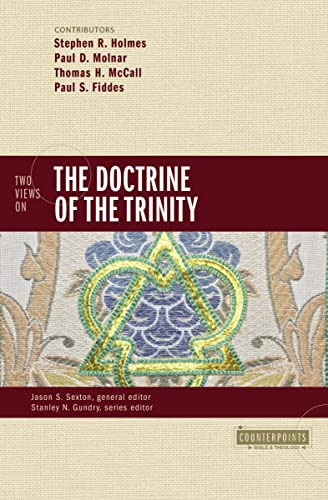
Two Views on the Doctrine of the Trinity (Counterpoints: Bible and Theology)
Libro 23 di 38: Counterpoints: Bible and TheologyEditore: Zondervan Academic (edition ), 2014
ISBN 10: 0310498120 ISBN 13: 9780310498124
Lingua: Inglese
Da: BooksRun, Philadelphia, PA, U.S.A.
Valutazione del venditore 5 su 5 stelle

Paperback. Condizione: Fair. The item might be beaten up but readable. May contain markings or highlighting, as well as stains, bent corners, or any other major defect, but the text is not obscured in any way.
-
Two Views on the Doctrine of the Trinity (Counterpoints: Bible and Theology)
Libro 23 di 38: Counterpoints: Bible and TheologyDa: SniderBooks, Pell City, AL, U.S.A.
Valutazione del venditore 5 su 5 stelle
Soft cover. Condizione: Good. NO MARKING.
-
Condizione: As New. Unread copy in mint condition.
-
Two Views on the Doctrine of the Trinity
Libro 23 di 38: Counterpoints: Bible and TheologyDa: Arches Bookhouse, Portland, OR, U.S.A.
Membro dell'associazione: CBA IOBA
Valutazione del venditore 5 su 5 stelle
Trade Paperback. Condizione: GOOD. 233pp. Pen underlining and marginalia through page 65, otherwise sound.
-
Condizione: New. Brand New.
-
Two Views on the Doctrine of the Trinity
Libro 23 di 38: Counterpoints: Bible and TheologyDa: GreatBookPrices, Columbia, MD, U.S.A.
Valutazione del venditore 5 su 5 stelle
Condizione: As New. Unread book in perfect condition.
-
Two Views on the Doctrine of the Trinity
Libro 23 di 38: Counterpoints: Bible and TheologyDa: GreatBookPrices, Columbia, MD, U.S.A.
Valutazione del venditore 5 su 5 stelle
Condizione: New.
-

Two Views on the Doctrine of the Trinity
Libro 23 di 38: Counterpoints: Bible and TheologyDa: Rarewaves.com USA, London, LONDO, Regno Unito
Valutazione del venditore 5 su 5 stelle
EUR 18,34
Gratis per la spedizione da Regno Unito a U.S.A.Quantità: Più di 20 disponibili
Aggiungi al carrelloPaperback. Condizione: New. Christians have always believed in the triune God, but they haven't always understood or used the doctrine of the Trinity consistently.In order to form a coherent view of trinitarian theology, it's important for Christians to have a working knowledge of the two legitimate models for explaining this doctrine: Classical - presenting a traditional view of the Trinity, represented by the Baptist theologian Stephen R. Holmes and the Roman Catholic theologian Paul D. Molnar.Relational - presenting the promise and potential hazards of a relational doctrine, represented by the evangelical theologian Thomas H. McCall and the Baptist philosopher Paul S. Fiddes.In this volume of the Counterpoints series, leading contributors establish their models and approaches to the doctrine of the Trinity (or, the relationship between the threeness and oneness of the divine life). Each expert highlights the strengths of his view in order to argue how it best reflects the orthodox perspective. In order to facilitate a genuine debate and to make sure that the key issues are revealed, each contributor addresses the same questions regarding their trinitarian methodology, doctrine, and its implications.
-

Paperback. Condizione: New. Christians have always believed in the triune God, but they haven't always understood or used the doctrine of the Trinity consistently.In order to form a coherent view of trinitarian theology, it's important for Christians to have a working knowledge of the two legitimate models for explaining this doctrine: Classical - presenting a traditional view of the Trinity, represented by the Baptist theologian Stephen R. Holmes and the Roman Catholic theologian Paul D. Molnar.Relational - presenting the promise and potential hazards of a relational doctrine, represented by the evangelical theologian Thomas H. McCall and the Baptist philosopher Paul S. Fiddes.In this volume of the Counterpoints series, leading contributors establish their models and approaches to the doctrine of the Trinity (or, the relationship between the threeness and oneness of the divine life). Each expert highlights the strengths of his view in order to argue how it best reflects the orthodox perspective. In order to facilitate a genuine debate and to make sure that the key issues are revealed, each contributor addresses the same questions regarding their trinitarian methodology, doctrine, and its implications.
-
Two Views on the Doctrine of the Trinity (Counterpoints: Bible and Theology)
Libro 23 di 38: Counterpoints: Bible and TheologyDa: Lucky's Textbooks, Dallas, TX, U.S.A.
Valutazione del venditore 5 su 5 stelle
Condizione: New.
-
Two Views on the Doctrine of the Trinity (Counterpoints: Bible and Theology)
Libro 23 di 38: Counterpoints: Bible and TheologyDa: California Books, Miami, FL, U.S.A.
Valutazione del venditore 5 su 5 stelle
Condizione: New.
-
Two Views on the Doctrine of the Trinity (Counterpoints: Bible and Theology)
Libro 23 di 38: Counterpoints: Bible and TheologyDa: Ria Christie Collections, Uxbridge, Regno Unito
Valutazione del venditore 5 su 5 stelle
EUR 14,92
EUR 13,62 per la spedizione da Regno Unito a U.S.A.Quantità: Più di 20 disponibili
Aggiungi al carrelloCondizione: New. In.
-
Two Views on the Doctrine of the Trinity
Libro 23 di 38: Counterpoints: Bible and TheologyDa: GreatBookPricesUK, Woodford Green, Regno Unito
Valutazione del venditore 5 su 5 stelle
EUR 14,90
EUR 17,05 per la spedizione da Regno Unito a U.S.A.Quantità: Più di 20 disponibili
Aggiungi al carrelloCondizione: New.
-
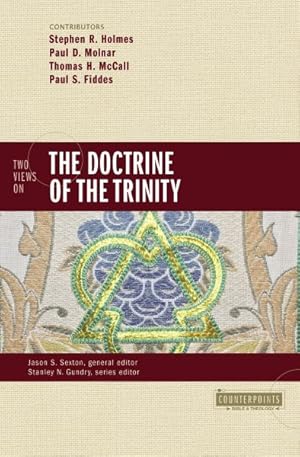
Two Views on the Doctrine of the Trinity
Libro 23 di 38: Counterpoints: Bible and TheologyDa: GreatBookPricesUK, Woodford Green, Regno Unito
Valutazione del venditore 5 su 5 stelle
EUR 17,64
EUR 17,05 per la spedizione da Regno Unito a U.S.A.Quantità: Più di 20 disponibili
Aggiungi al carrelloCondizione: As New. Unread book in perfect condition.
-
Two Views on the Doctrine of the Trinity
Libro 23 di 38: Counterpoints: Bible and TheologyDa: Revaluation Books, Exeter, Regno Unito
Valutazione del venditore 5 su 5 stelle
EUR 26,14
EUR 11,37 per la spedizione da Regno Unito a U.S.A.Quantità: 2 disponibili
Aggiungi al carrelloPaperback. Condizione: Brand New. 208 pages. 7.08x4.68x0.98 inches. In Stock.
-

Two Views on the Doctrine of the Trinity
Libro 23 di 38: Counterpoints: Bible and TheologyDa: Rarewaves USA United, OSWEGO, IL, U.S.A.
Valutazione del venditore 5 su 5 stelle
Paperback. Condizione: New. Christians have always believed in the triune God, but they haven't always understood or used the doctrine of the Trinity consistently.In order to form a coherent view of trinitarian theology, it's important for Christians to have a working knowledge of the two legitimate models for explaining this doctrine: Classical - presenting a traditional view of the Trinity, represented by the Baptist theologian Stephen R. Holmes and the Roman Catholic theologian Paul D. Molnar.Relational - presenting the promise and potential hazards of a relational doctrine, represented by the evangelical theologian Thomas H. McCall and the Baptist philosopher Paul S. Fiddes.In this volume of the Counterpoints series, leading contributors establish their models and approaches to the doctrine of the Trinity (or, the relationship between the threeness and oneness of the divine life). Each expert highlights the strengths of his view in order to argue how it best reflects the orthodox perspective. In order to facilitate a genuine debate and to make sure that the key issues are revealed, each contributor addresses the same questions regarding their trinitarian methodology, doctrine, and its implications.
-

Two Views on the Doctrine of the Trinity
Libro 23 di 38: Counterpoints: Bible and TheologyDa: Rarewaves.com UK, London, Regno Unito
Valutazione del venditore 5 su 5 stelle
EUR 16,07
EUR 73,89 per la spedizione da Regno Unito a U.S.A.Quantità: Più di 20 disponibili
Aggiungi al carrelloPaperback. Condizione: New. Christians have always believed in the triune God, but they haven't always understood or used the doctrine of the Trinity consistently.In order to form a coherent view of trinitarian theology, it's important for Christians to have a working knowledge of the two legitimate models for explaining this doctrine: Classical - presenting a traditional view of the Trinity, represented by the Baptist theologian Stephen R. Holmes and the Roman Catholic theologian Paul D. Molnar.Relational - presenting the promise and potential hazards of a relational doctrine, represented by the evangelical theologian Thomas H. McCall and the Baptist philosopher Paul S. Fiddes.In this volume of the Counterpoints series, leading contributors establish their models and approaches to the doctrine of the Trinity (or, the relationship between the threeness and oneness of the divine life). Each expert highlights the strengths of his view in order to argue how it best reflects the orthodox perspective. In order to facilitate a genuine debate and to make sure that the key issues are revealed, each contributor addresses the same questions regarding their trinitarian methodology, doctrine, and its implications.
