

Importo totale (1 articolo articoli):
Destinazione ordine:

thomas abbott iii (23 risultati)
Vai alla pagina principale dei risultati di ricerca
Filtri di ricerca
Tipo di articolo
- Tutti i tipi di prodotto
- Libri (23)
- Riviste e Giornali (Nessun altro risultato corrispondente a questo perfezionamento)
- Fumetti (Nessun altro risultato corrispondente a questo perfezionamento)
- Spartiti (Nessun altro risultato corrispondente a questo perfezionamento)
- Arte, Stampe e Poster (Nessun altro risultato corrispondente a questo perfezionamento)
- Fotografie (Nessun altro risultato corrispondente a questo perfezionamento)
- Mappe (Nessun altro risultato corrispondente a questo perfezionamento)
- Manoscritti e Collezionismo cartaceo (Nessun altro risultato corrispondente a questo perfezionamento)
Condizioni Maggiori informazioni
- Nuovo (18)
- Come nuovo, Ottimo o Quasi ottimo (3)
- Molto buono o Buono (1)
- Discreto o Mediocre (Nessun altro risultato corrispondente a questo perfezionamento)
- Come descritto (1)
Legatura
Ulteriori caratteristiche
- Prima ed. (Nessun altro risultato corrispondente a questo perfezionamento)
- Copia autograf. (Nessun altro risultato corrispondente a questo perfezionamento)
- Sovracoperta (Nessun altro risultato corrispondente a questo perfezionamento)
- Con foto (11)
- Non Print on Demand (14)
Lingua (2)
Spedizione gratuita
- Spedizione gratuita in U.S.A. (Nessun altro risultato corrispondente a questo perfezionamento)
Paese del venditore
Valutazione venditore
-

EUR 18,99
Spedizione EUR 20,50
Spedito da Francia a U.S.A.Quantità: 1 disponibili
Aggiungi al carrelloHardcover. Condizione: Très bon. Ancien livre de bibliothèque avec équipements. Edition 1995. Ammareal reverse jusqu'à 15% du prix net de cet article à des organisations caritatives. ENGLISH DESCRIPTION Book Condition: Used, Very good. Former library book. Edition 1995. Ammareal gives back up to 15% of this item's net price to charity organizations.
-
EUR 15,68
Spedizione EUR 105,00
Spedito da Germania a U.S.A.Quantità: 3 disponibili
Aggiungi al carrelloCondizione: Sehr gut. Zustand: Sehr gut | Seiten: 276 | Sprache: Englisch | Produktart: Bücher | 5 care reforms. Part II: Price Regulation The second partofthis volume examines the role ofprice regulation in controlling health care costs. It contains three chapters. In chapter seven, I examine the alternatives for regulating pharmaceutical prices. In chapter eight, Jack Hadley examines the impactofvarious forms ofhospital price regulation; while in chapter nine,MarkPaulyexaminestheroleofpriceregulation incontrollingphysician fees. Chapter seven focuses on the issue of regulating pharmaceutical prices. There are two key issues examined in this paper. First, is there a clear need for price regulation, and second, can price regulation work in this industry? In response to the first question, I come to the conclusion that the proponents ofprice regulation have not really proven their case. Although the financial returns in the pharmaceu tical industry have been slightly higher than expected during the 1970s and 1980s, there is not overwhelming evidence of"price gouging" or excessive profits on the part of the industry. In response to the second question, the answer is clearly no. The traditional approaches to price regulation will not have the intended affect of eliminating excess profits from the industry while maintaining the incentives for research and development. First, rate-of-return regulation, the most natural approach, would result in many adverse incentives-includingexcessive investment in research and developmentinorderto inflatetheratebaseused tocalculatedtheallowablereturns.
-
EUR 15,68
Spedizione EUR 105,00
Spedito da Germania a U.S.A.Quantità: 1 disponibili
Aggiungi al carrelloCondizione: Hervorragend. Zustand: Hervorragend | Seiten: 276 | Sprache: Englisch | Produktart: Bücher | 5 care reforms. Part II: Price Regulation The second partofthis volume examines the role ofprice regulation in controlling health care costs. It contains three chapters. In chapter seven, I examine the alternatives for regulating pharmaceutical prices. In chapter eight, Jack Hadley examines the impactofvarious forms ofhospital price regulation; while in chapter nine,MarkPaulyexaminestheroleofpriceregulation incontrollingphysician fees. Chapter seven focuses on the issue of regulating pharmaceutical prices. There are two key issues examined in this paper. First, is there a clear need for price regulation, and second, can price regulation work in this industry? In response to the first question, I come to the conclusion that the proponents ofprice regulation have not really proven their case. Although the financial returns in the pharmaceu tical industry have been slightly higher than expected during the 1970s and 1980s, there is not overwhelming evidence of"price gouging" or excessive profits on the part of the industry. In response to the second question, the answer is clearly no. The traditional approaches to price regulation will not have the intended affect of eliminating excess profits from the industry while maintaining the incentives for research and development. First, rate-of-return regulation, the most natural approach, would result in many adverse incentives-includingexcessive investment in research and developmentinorderto inflatetheratebaseused tocalculatedtheallowablereturns.
-
Health Care Policy and Regulation (Topics in Regulatory Economics and Policy, 20)
Da: Ria Christie Collections, Uxbridge, Regno Unito
Valutazione del venditore 5 su 5 stelle

EUR 111,46
Spedizione EUR 13,75
Spedito da Regno Unito a U.S.A.Quantità: Più di 20 disponibili
Aggiungi al carrelloCondizione: New. In English.
-

Health Care Policy and Regulation (Topics in Regulatory Economics and Policy)
Da: Ria Christie Collections, Uxbridge, Regno Unito
Valutazione del venditore 5 su 5 stelle
EUR 111,83
Spedizione EUR 13,75
Spedito da Regno Unito a U.S.A.Quantità: Più di 20 disponibili
Aggiungi al carrelloCondizione: New. In.
-
Health Care Policy and Regulation
Da: Books Puddle, New York, NY, U.S.A.
Valutazione del venditore 4 su 5 stelle

Condizione: New. pp. 276.
-
Health Care Policy and Regulation
Da: Majestic Books, Hounslow, Regno Unito
Valutazione del venditore 4 su 5 stelle
EUR 132,55
Spedizione EUR 7,46
Spedito da Regno Unito a U.S.A.Quantità: 1 disponibili
Aggiungi al carrelloCondizione: New. pp. 276 9:B&W 6 x 9 in or 229 x 152 mm Case Laminate on Creme w/Gloss Lam.
-
Health Care Policy and Regulation
Lingua: Inglese
Editore: Kluwer Academic Publishers, 1995
ISBN 10: 0792395409 ISBN 13: 9780792395409
Da: Kennys Bookshop and Art Galleries Ltd., Galway, GY, Irlanda
Valutazione del venditore 5 su 5 stelle
EUR 133,63
Spedizione EUR 10,50
Spedito da Irlanda a U.S.A.Quantità: 15 disponibili
Aggiungi al carrelloCondizione: New. Deals in an useful way with some of the issues involved in the debate over health care reform. This book brings together some of the researchers to discuss alternative ways of restructuring the health care industries, and alternative methods for regulating these industries to achieve the objectives of increased access and constraining costs. Editor(s): Abbott III, Thomas A. Series: Topics in Regulatory Economics and Policy. Num Pages: 261 pages, biography. BIC Classification: KJU; MBP. Category: (P) Professional & Vocational; (UP) Postgraduate, Research & Scholarly; (UU) Undergraduate. Dimension: 229 x 152 x 19. Weight in Grams: 576. . 1995. Hardback. . . . .
-
Health Care Policy and Regulation
Da: Biblios, Frankfurt am main, HESSE, Germania
Valutazione del venditore 4 su 5 stelle
EUR 136,56
Spedizione EUR 9,95
Spedito da Germania a U.S.A.Quantità: 1 disponibili
Aggiungi al carrelloCondizione: New. pp. 276.
-

EUR 112,77
Spedizione EUR 62,02
Spedito da Germania a U.S.A.Quantità: 1 disponibili
Aggiungi al carrelloTaschenbuch. Condizione: Neu. Druck auf Anfrage Neuware - Printed after ordering - 5 care reforms. Part II: Price Regulation The second partofthis volume examines the role ofprice regulation in controlling health care costs. It contains three chapters. In chapter seven, I examine the alternatives for regulating pharmaceutical prices. In chapter eight, Jack Hadley examines the impactofvarious forms ofhospital price regulation; while in chapter nine,MarkPaulyexaminestheroleofpriceregulation incontrollingphysician fees. Chapter seven focuses on the issue of regulating pharmaceutical prices. There are two key issues examined in this paper. First, is there a clear need for price regulation, and second, can price regulation work in this industry In response to the first question, I come to the conclusion that the proponents ofprice regulation have not really proven their case. Although the financial returns in the pharmaceu tical industry have been slightly higher than expected during the 1970s and 1980s, there is not overwhelming evidence of'price gouging' or excessive profits on the part of the industry. In response to the second question, the answer is clearly no. The traditional approaches to price regulation will not have the intended affect of eliminating excess profits from the industry while maintaining the incentives for research and development. First, rate-of-return regulation, the most natural approach, would result in many adverse incentives-includingexcessive investment in research and developmentinorderto inflatetheratebaseused tocalculatedtheallowablereturns.
-
Health Care Policy and Regulation
Lingua: Inglese
Editore: Kluwer Academic Publishers, 1995
ISBN 10: 0792395409 ISBN 13: 9780792395409
Da: Kennys Bookstore, Olney, MD, U.S.A.
Valutazione del venditore 4 su 5 stelle
Condizione: New. Deals in an useful way with some of the issues involved in the debate over health care reform. This book brings together some of the researchers to discuss alternative ways of restructuring the health care industries, and alternative methods for regulating these industries to achieve the objectives of increased access and constraining costs. Editor(s): Abbott III, Thomas A. Series: Topics in Regulatory Economics and Policy. Num Pages: 261 pages, biography. BIC Classification: KJU; MBP. Category: (P) Professional & Vocational; (UP) Postgraduate, Research & Scholarly; (UU) Undergraduate. Dimension: 229 x 152 x 19. Weight in Grams: 576. . 1995. Hardback. . . . . Books ship from the US and Ireland.
-

EUR 112,94
Spedizione EUR 62,79
Spedito da Germania a U.S.A.Quantità: 1 disponibili
Aggiungi al carrelloBuch. Condizione: Neu. Druck auf Anfrage Neuware - Printed after ordering - 5 care reforms. Part II: Price Regulation The second partofthis volume examines the role ofprice regulation in controlling health care costs. It contains three chapters. In chapter seven, I examine the alternatives for regulating pharmaceutical prices. In chapter eight, Jack Hadley examines the impactofvarious forms ofhospital price regulation; while in chapter nine,MarkPaulyexaminestheroleofpriceregulation incontrollingphysician fees. Chapter seven focuses on the issue of regulating pharmaceutical prices. There are two key issues examined in this paper. First, is there a clear need for price regulation, and second, can price regulation work in this industry In response to the first question, I come to the conclusion that the proponents ofprice regulation have not really proven their case. Although the financial returns in the pharmaceu tical industry have been slightly higher than expected during the 1970s and 1980s, there is not overwhelming evidence of'price gouging' or excessive profits on the part of the industry. In response to the second question, the answer is clearly no. The traditional approaches to price regulation will not have the intended affect of eliminating excess profits from the industry while maintaining the incentives for research and development. First, rate-of-return regulation, the most natural approach, would result in many adverse incentives-includingexcessive investment in research and developmentinorderto inflatetheratebaseused tocalculatedtheallowablereturns.
-
Health Care Policy and Regulation (Topics in Regulatory Economics and Policy, 20)
Da: Mispah books, Redhill, SURRE, Regno Unito
Valutazione del venditore 4 su 5 stelle
EUR 163,10
Spedizione EUR 28,69
Spedito da Regno Unito a U.S.A.Quantità: 1 disponibili
Aggiungi al carrelloPaperback. Condizione: Like New. LIKE NEW. SHIPS FROM MULTIPLE LOCATIONS. book.
-
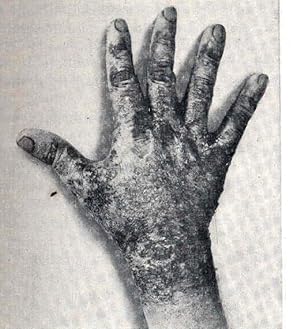
A manual of tropical medicine [Diseases caused by the arthropod-borne viruses; Enterovirus infections, including poliomyelitis; Other virus diseases of special importance or interest in tropical or subtropical areas; Ricketsial diseases; Epidemic typhus; Murine typhus; American spotted fevers; Related spotted fevers and rickettsioses; Rickettsialpox; North Queensland tick typhus; Scrub typhus; Trench typhus; Q fever; Spirochetal diseases; The relapsing fevers; Yaws and bejel; Pinta; The leptospiral diseases; Rat-bite fevers; Sodoku --- Haverhill fever; Bacterial diseases; The Diarrheal diseases; Bacillary dysentery; shigellosis; Food poisoning; Botulism; Staphylococcus; Strptococcus; Salmonella; Clostridium Perfringens; Cholera; Brucellosis
Editore: Philadelphia ; London : W. B. Saunders Company, 1960, 1960
Da: Joseph Valles - Books, Stockbridge, GA, U.S.A.
Valutazione del venditore 5 su 5 stelle
Hardcover. Condizione: Very Good. No Jacket. 3rd Edition. 3rd edition ; xxx, 892 p. illustrated ; LCCN: 60-5421; OCLC: 2700679 ; LC: RC961; Dewey: 616.9883; NLM: WC 680 ; green cloth ; no dustjacket ; Contents: Diseases caused by the arthropod-borne viruses -- Enterovirus infections, including poliomyelitis -- Other virus diseases of special importance or interest in tropical or subtropical areas -- Ricketsial diseases -- Epidemic typhus -- Murine typhus -- American spotted fevers -- Related spotted fevers and rickettsioses -- Rickettsialpox -- North Queensland tick typhus -- Scrub typhus -- Trench typhus -- Q fever -- Spirochetal diseases -- The relapsing fevers -- Yaws and bejel -- Pinta -- The leptospiral diseases -- Rat-bite fevers -- Sodoku --- Haverhill fever -- Bacterial diseases -- The Diarrheal diseases -- Bacillary dysentery -- shigellosis -- Food poisoning -- Botulism -- Staphylococcus -- Strptococcus -- Salmonella -- Clostridium Perfringens -- Cholera -- Brucellosis -- Tuberculosis -- Leprosy -- Plague -- Cutaneous diptheria -- Tularemia -- Mycotic diseases -- Cutaneous mycoses -- Systemic mycoses -- Protozoal diseases -- The intestinal protozoa -- Amebiasis and related infections -- Malaria -- Toxoplasmosis -- Interstitial plasma cell pneumonia -- The trypanosomidae -- Leishmaniasis -- Kala-azar -- Cutaneous leishmaniasis -- Naso-oral or mucocutaneous peishmanisis -- African trypanosomiasis -- American trypanosomiasis -- Chagas' disease -- Trypanosoma Rangeli -- Helminthic diseases -- Intestinal nematodes -- Tissue inhabiting neamtodes : the filarioidea -- Tissue-inhabiting nematodes: the dracununculoidea -- Other tissue-inhabiting nematodes -- Trichinosis -- Creeping Eruption -- Gnathostomiasis -- Visceral Larva Migrans -- The Schistosomes -- Trematodes exclusive of schistosomes -- Cestodes -- Nutritional diseases -- Pellagra -- Beriberi -- Sprue -- Kwashiorkor -- Nutritional edema -- Osteomalacia -- Vitamin A deficiency and tropical macrocytic anemia -- Miscellaneous conditions -- Epidemic hemorrhagic fever -- Bartonellosis -- tropical ulcer -- Tropical eosinophilia -- Desert sore -- Granuloma inguinale -- Effects of heat -- Heat stroke -- Heat cramps -- heat exhaustion -- Anhidrotic asthemia -- Miliaria rubra -- Certain medically impartant animals -- Coelenterates -- Leeches -- Fishes -- Lizards -- Snakes -- Corcodilians -- Bats -- Medically important mollusks -- Medically important arthropods -- The Arachnida -- The class Insecta -- The order Diptera -- Control of arthropods of medical importance -- Toxicology of pesticides -- Some laboratory diagnostic methods -- Methods and procedures. ; some color plates ; numerous black and white photographs showing symptoms of various tropical diseases ; graphic ; ex-lib, stamps, labels, date due ; VG. Book.
-
Health Care Policy and Regulation (eng)
Da: Brook Bookstore On Demand, Napoli, NA, Italia
Valutazione del venditore 4 su 5 stelle
EUR 86,24
Spedizione EUR 5,50
Spedito da Italia a U.S.A.Quantità: Più di 20 disponibili
Aggiungi al carrelloCondizione: new. Questo è un articolo print on demand.
-

Health Care Policy and Regulation
Lingua: Inglese
Editore: Springer US, Springer US Sep 2012, 2012
ISBN 10: 1461359325 ISBN 13: 9781461359326
Da: BuchWeltWeit Ludwig Meier e.K., Bergisch Gladbach, Germania
Valutazione del venditore 5 su 5 stelle
EUR 106,99
Spedizione EUR 23,00
Spedito da Germania a U.S.A.Quantità: 2 disponibili
Aggiungi al carrelloTaschenbuch. Condizione: Neu. This item is printed on demand - it takes 3-4 days longer - Neuware -5 care reforms. Part II: Price Regulation The second partofthis volume examines the role ofprice regulation in controlling health care costs. It contains three chapters. In chapter seven, I examine the alternatives for regulating pharmaceutical prices. In chapter eight, Jack Hadley examines the impactofvarious forms ofhospital price regulation; while in chapter nine,MarkPaulyexaminestheroleofpriceregulation incontrollingphysician fees. Chapter seven focuses on the issue of regulating pharmaceutical prices. There are two key issues examined in this paper. First, is there a clear need for price regulation, and second, can price regulation work in this industry In response to the first question, I come to the conclusion that the proponents ofprice regulation have not really proven their case. Although the financial returns in the pharmaceu tical industry have been slightly higher than expected during the 1970s and 1980s, there is not overwhelming evidence of'price gouging' or excessive profits on the part of the industry. In response to the second question, the answer is clearly no. The traditional approaches to price regulation will not have the intended affect of eliminating excess profits from the industry while maintaining the incentives for research and development. First, rate-of-return regulation, the most natural approach, would result in many adverse incentives-includingexcessive investment in research and developmentinorderto inflatetheratebaseused tocalculatedtheallowablereturns. 276 pp. Englisch.
-

Health Care Policy and Regulation
Da: BuchWeltWeit Ludwig Meier e.K., Bergisch Gladbach, Germania
Valutazione del venditore 5 su 5 stelle
EUR 106,99
Spedizione EUR 23,00
Spedito da Germania a U.S.A.Quantità: 2 disponibili
Aggiungi al carrelloBuch. Condizione: Neu. This item is printed on demand - it takes 3-4 days longer - Neuware -5 care reforms. Part II: Price Regulation The second partofthis volume examines the role ofprice regulation in controlling health care costs. It contains three chapters. In chapter seven, I examine the alternatives for regulating pharmaceutical prices. In chapter eight, Jack Hadley examines the impactofvarious forms ofhospital price regulation; while in chapter nine,MarkPaulyexaminestheroleofpriceregulation incontrollingphysician fees. Chapter seven focuses on the issue of regulating pharmaceutical prices. There are two key issues examined in this paper. First, is there a clear need for price regulation, and second, can price regulation work in this industry In response to the first question, I come to the conclusion that the proponents ofprice regulation have not really proven their case. Although the financial returns in the pharmaceu tical industry have been slightly higher than expected during the 1970s and 1980s, there is not overwhelming evidence of'price gouging' or excessive profits on the part of the industry. In response to the second question, the answer is clearly no. The traditional approaches to price regulation will not have the intended affect of eliminating excess profits from the industry while maintaining the incentives for research and development. First, rate-of-return regulation, the most natural approach, would result in many adverse incentives-includingexcessive investment in research and developmentinorderto inflatetheratebaseused tocalculatedtheallowablereturns. 276 pp. Englisch.
-

EUR 92,27
Spedizione EUR 48,99
Spedito da Germania a U.S.A.Quantità: Più di 20 disponibili
Aggiungi al carrelloGebunden. Condizione: New. Dieser Artikel ist ein Print on Demand Artikel und wird nach Ihrer Bestellung fuer Sie gedruckt. 5 care reforms. Part II: Price Regulation The second partofthis volume examines the role ofprice regulation in controlling health care costs. It contains three chapters. In chapter seven, I examine the alternatives for regulating pharmaceutical prices. In c.
-

EUR 92,27
Spedizione EUR 48,99
Spedito da Germania a U.S.A.Quantità: Più di 20 disponibili
Aggiungi al carrelloCondizione: New. Dieser Artikel ist ein Print on Demand Artikel und wird nach Ihrer Bestellung fuer Sie gedruckt. 5 care reforms. Part II: Price Regulation The second partofthis volume examines the role ofprice regulation in controlling health care costs. It contains three chapters. In chapter seven, I examine the alternatives for regulating pharmaceutical prices. In c.
-
EUR 95,70
Spedizione EUR 70,00
Spedito da Germania a U.S.A.Quantità: 5 disponibili
Aggiungi al carrelloBuch. Condizione: Neu. Health Care Policy and Regulation | Thomas A. Abbott III | Buch | x | Englisch | 1995 | Springer US | EAN 9780792395409 | Verantwortliche Person für die EU: Springer Verlag GmbH, Tiergartenstr. 17, 69121 Heidelberg, juergen[dot]hartmann[at]springer[dot]com | Anbieter: preigu Print on Demand.
-
EUR 95,70
Spedizione EUR 70,00
Spedito da Germania a U.S.A.Quantità: 5 disponibili
Aggiungi al carrelloTaschenbuch. Condizione: Neu. Health Care Policy and Regulation | Thomas A. Abbott III | Taschenbuch | x | Englisch | 2012 | Humana | EAN 9781461359326 | Verantwortliche Person für die EU: Springer Verlag GmbH, Tiergartenstr. 17, 69121 Heidelberg, juergen[dot]hartmann[at]springer[dot]com | Anbieter: preigu Print on Demand.
-

Health Care Policy and Regulation
Lingua: Inglese
Editore: Springer US, Springer US Feb 1995, 1995
ISBN 10: 0792395409 ISBN 13: 9780792395409
Da: buchversandmimpf2000, Emtmannsberg, BAYE, Germania
Valutazione del venditore 5 su 5 stelle
EUR 106,99
Spedizione EUR 60,00
Spedito da Germania a U.S.A.Quantità: 1 disponibili
Aggiungi al carrelloBuch. Condizione: Neu. This item is printed on demand - Print on Demand Titel. Neuware -5 care reforms. Part II: Price Regulation The second partofthis volume examines the role ofprice regulation in controlling health care costs. It contains three chapters. In chapter seven, I examine the alternatives for regulating pharmaceutical prices. In chapter eight, Jack Hadley examines the impactofvarious forms ofhospital price regulation; while in chapter nine,MarkPaulyexaminestheroleofpriceregulation incontrollingphysician fees. Chapter seven focuses on the issue of regulating pharmaceutical prices. There are two key issues examined in this paper. First, is there a clear need for price regulation, and second, can price regulation work in this industry In response to the first question, I come to the conclusion that the proponents ofprice regulation have not really proven their case. Although the financial returns in the pharmaceu tical industry have been slightly higher than expected during the 1970s and 1980s, there is not overwhelming evidence of'price gouging' or excessive profits on the part of the industry. In response to the second question, the answer is clearly no. The traditional approaches to price regulation will not have the intended affect of eliminating excess profits from the industry while maintaining the incentives for research and development. First, rate-of-return regulation, the most natural approach, would result in many adverse incentives-includingexcessive investment in research and developmentinorderto inflatetheratebaseused tocalculatedtheallowablereturns.Springer Verlag GmbH, Tiergartenstr. 17, 69121 Heidelberg 276 pp. Englisch.
-

Health Care Policy and Regulation
Lingua: Inglese
Editore: Springer US, Springer New York Sep 2012, 2012
ISBN 10: 1461359325 ISBN 13: 9781461359326
Da: buchversandmimpf2000, Emtmannsberg, BAYE, Germania
Valutazione del venditore 5 su 5 stelle
EUR 106,99
Spedizione EUR 60,00
Spedito da Germania a U.S.A.Quantità: 1 disponibili
Aggiungi al carrelloTaschenbuch. Condizione: Neu. This item is printed on demand - Print on Demand Titel. Neuware -5 care reforms. Part II: Price Regulation The second partofthis volume examines the role ofprice regulation in controlling health care costs. It contains three chapters. In chapter seven, I examine the alternatives for regulating pharmaceutical prices. In chapter eight, Jack Hadley examines the impactofvarious forms ofhospital price regulation; while in chapter nine,MarkPaulyexaminestheroleofpriceregulation incontrollingphysician fees. Chapter seven focuses on the issue of regulating pharmaceutical prices. There are two key issues examined in this paper. First, is there a clear need for price regulation, and second, can price regulation work in this industry In response to the first question, I come to the conclusion that the proponents ofprice regulation have not really proven their case. Although the financial returns in the pharmaceu tical industry have been slightly higher than expected during the 1970s and 1980s, there is not overwhelming evidence of'price gouging' or excessive profits on the part of the industry. In response to the second question, the answer is clearly no. The traditional approaches to price regulation will not have the intended affect of eliminating excess profits from the industry while maintaining the incentives for research and development. First, rate-of-return regulation, the most natural approach, would result in many adverse incentives-includingexcessive investment in research and developmentinorderto inflatetheratebaseused tocalculatedtheallowablereturns.Springer Verlag GmbH, Tiergartenstr. 17, 69121 Heidelberg 276 pp. Englisch.


