
Importo totale (1 articolo articoli):
Destinazione ordine:

tokoro gensuke (24 risultati)
Vai alla pagina principale dei risultati di ricerca
Filtri di ricerca
Tipo di articolo
- Tutti i tipi di prodotto
- Libri (24)
- Riviste e Giornali (Nessun altro risultato corrispondente a questo perfezionamento)
- Fumetti (Nessun altro risultato corrispondente a questo perfezionamento)
- Spartiti (Nessun altro risultato corrispondente a questo perfezionamento)
- Arte, Stampe e Poster (Nessun altro risultato corrispondente a questo perfezionamento)
- Fotografie (Nessun altro risultato corrispondente a questo perfezionamento)
- Mappe (Nessun altro risultato corrispondente a questo perfezionamento)
- Manoscritti e Collezionismo cartaceo (Nessun altro risultato corrispondente a questo perfezionamento)
Condizioni Maggiori informazioni
- Nuovo (15)
- Come nuovo, Ottimo o Quasi ottimo (5)
- Molto buono o Buono (3)
- Discreto o Mediocre (1)
- Come descritto (Nessun altro risultato corrispondente a questo perfezionamento)
Legatura
Ulteriori caratteristiche
- Prima ed. (Nessun altro risultato corrispondente a questo perfezionamento)
- Copia autograf. (Nessun altro risultato corrispondente a questo perfezionamento)
- Sovracoperta (Nessun altro risultato corrispondente a questo perfezionamento)
- Con foto (13)
- Non Print on Demand (22)
Lingua (1)
Spedizione gratuita
Paese del venditore
Valutazione venditore
-

Our Cosmic Ancestry in the Stars: The Panspermia Revolution and the Origins of Humanity
Lingua: Inglese
Editore: Bear & Company (edition Illustrated), 2019
ISBN 10: 1591433282 ISBN 13: 9781591433286
Da: BooksRun, Philadelphia, PA, U.S.A.
Valutazione del venditore 5 su 5 stelle

Paperback. Condizione: Very Good. Illustrated. It's a well-cared-for item that has seen limited use. The item may show minor signs of wear. All the text is legible, with all pages included. It may have slight markings and/or highlighting.
-
Our Cosmic Ancestry in the Stars: The Panspermia Revolution and the Origins of Humanity
Da: Half Price Books Inc., Dallas, TX, U.S.A.
Valutazione del venditore 5 su 5 stelle
Paperback. Condizione: Very Good. Connecting readers with great books since 1972! Used books may not include companion materials, and may have some shelf wear or limited writing. We ship orders daily and Customer Service is our top priority!
-

Our Cosmic Ancestry in the Stars: The Panspermia Revolution and the Origins of Humanity
Da: Blue Vase Books, Interlochen, MI, U.S.A.
Valutazione del venditore 5 su 5 stelle
Condizione: acceptable. The item is very worn but is perfectly usable. Signs of wear can include aesthetic issues such as scratches, dents, worn and creased covers, folded page corners and minor liquid stains. All pages and the cover are intact, but the dust cover may be missing. Pages may include moderate to heavy amount of notes and highlighting, but the text is not obscured or unreadable. Page edges may have foxing age related spots and browning . May NOT include discs, access code or other supplemental materials.
-
Our Cosmic Ancestry in the Stars: The Panspermia Revolution and the Origins of Humanity
Da: ThriftBooks-Dallas, Dallas, TX, U.S.A.
Valutazione del venditore 5 su 5 stelle
Paperback. Condizione: Very Good. No Jacket. May have limited writing in cover pages. Pages are unmarked. ~ ThriftBooks: Read More, Spend Less.
-

Our Cosmic Ancestry in the Stars : The Panspermia Revolution and the Origins of Humanity
Da: GreatBookPrices, Columbia, MD, U.S.A.
Valutazione del venditore 5 su 5 stelle
Condizione: New.
-
Our Cosmic Ancestry in the Stars: The Panspermia Revolution and the Origins of Humanity
Da: Magers and Quinn Booksellers, Minneapolis, MN, U.S.A.
Valutazione del venditore 5 su 5 stelle
paperback. Condizione: New. Brand New.
-

Our Cosmic Ancestry in the Stars
Lingua: Inglese
Editore: Inner Traditions Bear and Company, US, 2019
ISBN 10: 1591433282 ISBN 13: 9781591433286
Paperback. Condizione: New. An exploration of how acceptance of panspermia will soon change history Mainstream consensus is that life arose on Earth spontaneously out of "primordial soup." Yet this theory, as well as the Darwinian "survival of the fittest" concept as it relates to major steps in evolution, has no scientific basis or proof. Where, then, did life come from? As the authors show, with conclusive scientific evidence, life came from space--a concept known as "panspermia." We humans, and all other life on Earth, evolved over millennia in response to viruses that arrived via comets, and we continue to do so. Exploring the philosophical, psychological, cultural, and environmental ramifications of the acceptance of panspermia, the authors show how the shift will be on par with the Copernican Revolution--when it was finally accepted that the Earth was not the center of the Universe. Explaining the origins of the panspermia theory in the work of the late Sir Fred Hoyle, the authors reveal the vast body of evidence that has accumulated over the past 4 decades in favor of the cosmic origins of life, including viral inserts found in DNA that have shaped our human genome over millions of years. They show how the tiniest of viruses, microscopic animals (tardigrades), and even seeds have been found to be natural cosmonauts. The authors also show how space-borne viruses play a crucial role in the positive evolution of life and that our entire existence on this planet is contingent on the continuing ingress of cosmic viruses. Revealing how panspermia offers answers to some of humanity's longstanding questions about the origins of life, the authors discuss the impact this shift in understanding will have on our relationship with the Earth and on culture, history, and religion. And perhaps the most dramatic ramification of all is that acceptance of panspermia means acceptance that Earth is not unique--that other life-filled planets exist and intelligent life is common in the Universe. Not only did we come from space, but we are not alone.
-
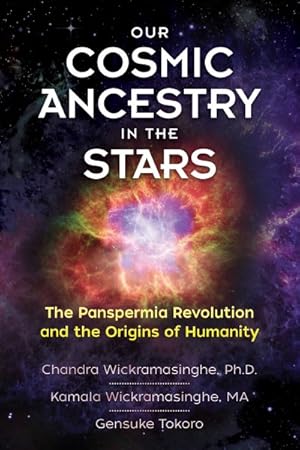
Our Cosmic Ancestry in the Stars : The Panspermia Revolution and the Origins of Humanity
Da: GreatBookPrices, Columbia, MD, U.S.A.
Valutazione del venditore 5 su 5 stelle
EUR 10,56
Spedizione EUR 2,23
Spedito in U.S.A.Quantità: Più di 20 disponibili
Aggiungi al carrelloCondizione: As New. Unread book in perfect condition.
-
EUR 12,86
Spedizione gratuita
Spedito in U.S.A.Quantità: Più di 20 disponibili
Aggiungi al carrelloCondizione: As New. Unread copy in mint condition.
-
EUR 12,96
Spedizione gratuita
Spedito in U.S.A.Quantità: Più di 20 disponibili
Aggiungi al carrelloCondizione: New. Brand New.
-
Soft cover. Condizione: New. Brand New. Has not had use.
-

Our Cosmic Ancestry in the Stars
Lingua: Inglese
Editore: Inner Traditions Bear and Company, US, 2019
ISBN 10: 1591433282 ISBN 13: 9781591433286
Da: Rarewaves.com USA, London, LONDO, Regno Unito
Valutazione del venditore 5 su 5 stelle
EUR 14,77
Spedizione gratuita
Spedito da Regno Unito a U.S.A.Quantità: 3 disponibili
Aggiungi al carrelloPaperback. Condizione: New. An exploration of how acceptance of panspermia will soon change history Mainstream consensus is that life arose on Earth spontaneously out of "primordial soup." Yet this theory, as well as the Darwinian "survival of the fittest" concept as it relates to major steps in evolution, has no scientific basis or proof. Where, then, did life come from? As the authors show, with conclusive scientific evidence, life came from space--a concept known as "panspermia." We humans, and all other life on Earth, evolved over millennia in response to viruses that arrived via comets, and we continue to do so. Exploring the philosophical, psychological, cultural, and environmental ramifications of the acceptance of panspermia, the authors show how the shift will be on par with the Copernican Revolution--when it was finally accepted that the Earth was not the center of the Universe. Explaining the origins of the panspermia theory in the work of the late Sir Fred Hoyle, the authors reveal the vast body of evidence that has accumulated over the past 4 decades in favor of the cosmic origins of life, including viral inserts found in DNA that have shaped our human genome over millions of years. They show how the tiniest of viruses, microscopic animals (tardigrades), and even seeds have been found to be natural cosmonauts. The authors also show how space-borne viruses play a crucial role in the positive evolution of life and that our entire existence on this planet is contingent on the continuing ingress of cosmic viruses. Revealing how panspermia offers answers to some of humanity's longstanding questions about the origins of life, the authors discuss the impact this shift in understanding will have on our relationship with the Earth and on culture, history, and religion. And perhaps the most dramatic ramification of all is that acceptance of panspermia means acceptance that Earth is not unique--that other life-filled planets exist and intelligent life is common in the Universe. Not only did we come from space, but we are not alone.
-
Our Cosmic Ancestry in the Stars: The Panspermia Revolution and the Origins of Humanity
Da: Books Puddle, New York, NY, U.S.A.
Valutazione del venditore 4 su 5 stelle

Condizione: New.
-
Our Cosmic Ancestry in the Stars: The Panspermia Revolution and the Origins of Humanity
Da: Revaluation Books, Exeter, Regno Unito
Valutazione del venditore 5 su 5 stelle
EUR 11,83
Spedizione EUR 11,54
Spedito da Regno Unito a U.S.A.Quantità: 2 disponibili
Aggiungi al carrelloPaperback. Condizione: Brand New. 144 pages. 9.00x7.00x1.00 inches. In Stock.
-
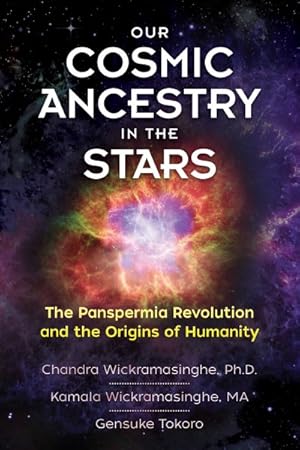
Our Cosmic Ancestry in the Stars : The Panspermia Revolution and the Origins of Humanity
Da: GreatBookPricesUK, Woodford Green, Regno Unito
Valutazione del venditore 5 su 5 stelle
EUR 12,73
Spedizione EUR 17,32
Spedito da Regno Unito a U.S.A.Quantità: Più di 20 disponibili
Aggiungi al carrelloCondizione: New.
-

Our Cosmic Ancestry in the Stars : The Panspermia Revolution and the Origins of Humanity
Da: GreatBookPricesUK, Woodford Green, Regno Unito
Valutazione del venditore 5 su 5 stelle
EUR 13,89
Spedizione EUR 17,32
Spedito da Regno Unito a U.S.A.Quantità: Più di 20 disponibili
Aggiungi al carrelloCondizione: As New. Unread book in perfect condition.
-

Life Comes from Space : The Decisive Evidence
Da: GreatBookPrices, Columbia, MD, U.S.A.
Valutazione del venditore 5 su 5 stelle
EUR 54,09
Spedizione EUR 2,23
Spedito in U.S.A.Quantità: Più di 20 disponibili
Aggiungi al carrelloCondizione: New.
-

Our Cosmic Ancestry in the Stars
Lingua: Inglese
Editore: Inner Traditions Bear and Company, US, 2019
ISBN 10: 1591433282 ISBN 13: 9781591433286
Da: Rarewaves USA United, OSWEGO, IL, U.S.A.
Valutazione del venditore 5 su 5 stelle
Paperback. Condizione: New. An exploration of how acceptance of panspermia will soon change history Mainstream consensus is that life arose on Earth spontaneously out of "primordial soup." Yet this theory, as well as the Darwinian "survival of the fittest" concept as it relates to major steps in evolution, has no scientific basis or proof. Where, then, did life come from? As the authors show, with conclusive scientific evidence, life came from space--a concept known as "panspermia." We humans, and all other life on Earth, evolved over millennia in response to viruses that arrived via comets, and we continue to do so. Exploring the philosophical, psychological, cultural, and environmental ramifications of the acceptance of panspermia, the authors show how the shift will be on par with the Copernican Revolution--when it was finally accepted that the Earth was not the center of the Universe. Explaining the origins of the panspermia theory in the work of the late Sir Fred Hoyle, the authors reveal the vast body of evidence that has accumulated over the past 4 decades in favor of the cosmic origins of life, including viral inserts found in DNA that have shaped our human genome over millions of years. They show how the tiniest of viruses, microscopic animals (tardigrades), and even seeds have been found to be natural cosmonauts. The authors also show how space-borne viruses play a crucial role in the positive evolution of life and that our entire existence on this planet is contingent on the continuing ingress of cosmic viruses. Revealing how panspermia offers answers to some of humanity's longstanding questions about the origins of life, the authors discuss the impact this shift in understanding will have on our relationship with the Earth and on culture, history, and religion. And perhaps the most dramatic ramification of all is that acceptance of panspermia means acceptance that Earth is not unique--that other life-filled planets exist and intelligent life is common in the Universe. Not only did we come from space, but we are not alone.
-

Life Comes from Space : The Decisive Evidence
Da: GreatBookPrices, Columbia, MD, U.S.A.
Valutazione del venditore 5 su 5 stelle
EUR 63,11
Spedizione EUR 2,23
Spedito in U.S.A.Quantità: Più di 20 disponibili
Aggiungi al carrelloCondizione: As New. Unread book in perfect condition.
-
Our Cosmic Ancestry in the Stars: The Panspermia Revolution and the Origins of Humanity
Da: Majestic Books, Hounslow, Regno Unito
Valutazione del venditore 4 su 5 stelle
EUR 9,64
Spedizione EUR 7,50
Spedito da Regno Unito a U.S.A.Quantità: 4 disponibili
Aggiungi al carrelloCondizione: New. Print on Demand.
-

Life Comes from Space : The Decisive Evidence
Da: GreatBookPricesUK, Woodford Green, Regno Unito
Valutazione del venditore 5 su 5 stelle
EUR 61,74
Spedizione EUR 17,32
Spedito da Regno Unito a U.S.A.Quantità: Più di 20 disponibili
Aggiungi al carrelloCondizione: New.
-

Life Comes from Space : The Decisive Evidence
Da: GreatBookPricesUK, Woodford Green, Regno Unito
Valutazione del venditore 5 su 5 stelle
EUR 69,69
Spedizione EUR 17,32
Spedito da Regno Unito a U.S.A.Quantità: Più di 20 disponibili
Aggiungi al carrelloCondizione: As New. Unread book in perfect condition.
-

Our Cosmic Ancestry in the Stars
Lingua: Inglese
Editore: Inner Traditions Bear and Company, US, 2019
ISBN 10: 1591433282 ISBN 13: 9781591433286
Da: Rarewaves.com UK, London, Regno Unito
Valutazione del venditore 5 su 5 stelle
EUR 12,72
Spedizione EUR 75,04
Spedito da Regno Unito a U.S.A.Quantità: 3 disponibili
Aggiungi al carrelloPaperback. Condizione: New. An exploration of how acceptance of panspermia will soon change history Mainstream consensus is that life arose on Earth spontaneously out of "primordial soup." Yet this theory, as well as the Darwinian "survival of the fittest" concept as it relates to major steps in evolution, has no scientific basis or proof. Where, then, did life come from? As the authors show, with conclusive scientific evidence, life came from space--a concept known as "panspermia." We humans, and all other life on Earth, evolved over millennia in response to viruses that arrived via comets, and we continue to do so. Exploring the philosophical, psychological, cultural, and environmental ramifications of the acceptance of panspermia, the authors show how the shift will be on par with the Copernican Revolution--when it was finally accepted that the Earth was not the center of the Universe. Explaining the origins of the panspermia theory in the work of the late Sir Fred Hoyle, the authors reveal the vast body of evidence that has accumulated over the past 4 decades in favor of the cosmic origins of life, including viral inserts found in DNA that have shaped our human genome over millions of years. They show how the tiniest of viruses, microscopic animals (tardigrades), and even seeds have been found to be natural cosmonauts. The authors also show how space-borne viruses play a crucial role in the positive evolution of life and that our entire existence on this planet is contingent on the continuing ingress of cosmic viruses. Revealing how panspermia offers answers to some of humanity's longstanding questions about the origins of life, the authors discuss the impact this shift in understanding will have on our relationship with the Earth and on culture, history, and religion. And perhaps the most dramatic ramification of all is that acceptance of panspermia means acceptance that Earth is not unique--that other life-filled planets exist and intelligent life is common in the Universe. Not only did we come from space, but we are not alone.
-
Our Cosmic Ancestry in the Stars: The Panspermia Revolution and the Origins of Humanity
Da: Biblios, Frankfurt am main, HESSE, Germania
Valutazione del venditore 4 su 5 stelle
EUR 10,51
Spedizione EUR 9,95
Spedito da Germania a U.S.A.Quantità: 4 disponibili
Aggiungi al carrelloCondizione: New. PRINT ON DEMAND.

