

Importo totale (1 articolo articoli):
Destinazione ordine:

9780063048751 - The Super Age: Decoding Our Demographic Destiny di Schurman, Bradley (33 risultati)
Vai alla pagina principale dei risultati di ricerca
Filtri di ricerca
Tipo di articolo
- Tutti i tipi di prodotto
- Libri (33)
- Riviste e Giornali (Nessun altro risultato corrispondente a questo perfezionamento)
- Fumetti (Nessun altro risultato corrispondente a questo perfezionamento)
- Spartiti (Nessun altro risultato corrispondente a questo perfezionamento)
- Arte, Stampe e Poster (Nessun altro risultato corrispondente a questo perfezionamento)
- Fotografie (Nessun altro risultato corrispondente a questo perfezionamento)
- Mappe (Nessun altro risultato corrispondente a questo perfezionamento)
- Manoscritti e Collezionismo cartaceo (Nessun altro risultato corrispondente a questo perfezionamento)
Condizioni Maggiori informazioni
- Nuovo (15)
- Come nuovo, Ottimo o Quasi ottimo (Nessun altro risultato corrispondente a questo perfezionamento)
- Molto buono o Buono (17)
- Discreto o Mediocre (Nessun altro risultato corrispondente a questo perfezionamento)
- Come descritto (1)
Legatura
Ulteriori caratteristiche
- Prima ed. (Nessun altro risultato corrispondente a questo perfezionamento)
- Copia autograf. (Nessun altro risultato corrispondente a questo perfezionamento)
- Sovracoperta (4)
- Con foto (10)
- Non Print on Demand (33)
Lingua (1)
Spedizione gratuita
Paese del venditore
Valutazione venditore
-

The Super Age: Decoding Our Demographic Destiny - How Longevity and Aging Societies Will Reshape Work, Business, and Government
Da: World of Books (was SecondSale), Montgomery, IL, U.S.A.
Valutazione del venditore 5 su 5 stelle

Condizione: Very Good. Item in very good condition! Textbooks may not include supplemental items i.e. CDs, access codes etc.
-
The Super Age: Decoding Our Demographic Destiny - How Longevity and Aging Societies Will Reshape Work, Business, and Government
Da: World of Books (was SecondSale), Montgomery, IL, U.S.A.
Valutazione del venditore 5 su 5 stelle
Condizione: Good. Good condition ex-library book with usual library markings and stickers.
-
The Super Age: Decoding Our Demographic Destiny
Da: More Than Words, Waltham, MA, U.S.A.
Valutazione del venditore 5 su 5 stelle
Condizione: Good. A sound copy with only light wear. Overall a solid copy at a great price!
-
The Super Age : Decoding Our Demographic Destiny
Da: Better World Books, Mishawaka, IN, U.S.A.
Valutazione del venditore 5 su 5 stelle
Condizione: Very Good. Former library copy. Pages intact with possible writing/highlighting. Binding strong with minor wear. Dust jackets/supplements may not be included. Includes library markings. Stock photo provided. Product includes identifying sticker. Better World Books: Buy Books. Do Good.
-
The Super Age: Decoding Our Demographic Destiny
Da: ThriftBooks-Reno, Reno, NV, U.S.A.
Valutazione del venditore 5 su 5 stelle
Hardcover. Condizione: Very Good. No Jacket. Former library book; May have limited writing in cover pages. Pages are unmarked. ~ ThriftBooks: Read More, Spend Less.
-
The Super Age: Decoding Our Demographic Destiny
Da: ThriftBooks-Atlanta, AUSTELL, GA, U.S.A.
Valutazione del venditore 5 su 5 stelle
Hardcover. Condizione: Very Good. No Jacket. May have limited writing in cover pages. Pages are unmarked. ~ ThriftBooks: Read More, Spend Less.
-
The Super Age: Decoding Our Demographic Destiny
Da: ThriftBooks-Dallas, Dallas, TX, U.S.A.
Valutazione del venditore 5 su 5 stelle
Hardcover. Condizione: Very Good. No Jacket. May have limited writing in cover pages. Pages are unmarked. ~ ThriftBooks: Read More, Spend Less.
-
The Super Age: Decoding Our Demographic Destiny
Da: ThriftBooks-Dallas, Dallas, TX, U.S.A.
Valutazione del venditore 5 su 5 stelle
Hardcover. Condizione: Very Good. No Jacket. Former library book; May have limited writing in cover pages. Pages are unmarked. ~ ThriftBooks: Read More, Spend Less.
-
The Super Age: Decoding Our Demographic Destiny
Da: ThriftBooks-Atlanta, AUSTELL, GA, U.S.A.
Valutazione del venditore 5 su 5 stelle
Hardcover. Condizione: Very Good. No Jacket. Former library book; May have limited writing in cover pages. Pages are unmarked. ~ ThriftBooks: Read More, Spend Less.
-
The Super Age: Decoding Our Demographic Destiny
Da: Wonder Book, Frederick, MD, U.S.A.
Membro dell'associazione: ABAA ILAB
Valutazione del venditore 5 su 5 stelle
Condizione: Very Good. Very Good condition. Very Good dust jacket. A copy that may have a few cosmetic defects. May also contain light spine creasing or a few markings such as an owner's name, short gifter's inscription or light stamp.
-
hardcover. Condizione: Very Good. Connecting readers with great books since 1972! Used books may not include companion materials, and may have some shelf wear or limited writing. We ship orders daily and Customer Service is our top priority!
-
The Super Age: Decoding Our Demographic Destiny
Da: Half Price Books Inc., Dallas, TX, U.S.A.
Valutazione del venditore 5 su 5 stelle
Hardcover. Condizione: Very Good. Connecting readers with great books since 1972! Used books may not include companion materials, and may have some shelf wear or limited writing. We ship orders daily and Customer Service is our top priority!
-
The Super Age: Decoding Our Demographic Destiny
Da: WorldofBooks, Goring-By-Sea, WS, Regno Unito
Valutazione del venditore 5 su 5 stelle
EUR 4,13
Spedizione EUR 6,41
Spedito da Regno Unito a U.S.A.Quantità: 1 disponibili
Aggiungi al carrelloPaperback. Condizione: Very Good. The book has been read, but is in excellent condition. Pages are intact and not marred by notes or highlighting. The spine remains undamaged.
-
hardcover. Condizione: Very Good. Condizione sovraccoperta: Very Good. Very Good in Very Good dust jacket. Gently used with NO markings in text; binding is tight. Pasadena's finest independent new and used bookstore.
-

The Super Age: Decoding Our Demographic Destiny
Da: The Anthropologists Closet, Clive, IA, U.S.A.
Valutazione del venditore 5 su 5 stelle
Hardcover. Condizione: New. Condizione sovraccoperta: New. New hardcover in a new dust jacket. Pages are clean and free of marks or underlining. 8vo. (6 x 0.93 x 9 inches) Includes author's notes, index, and figures. 272 pp. Fast shipping in a secure book box mailer with tracking. A demographic futurist explains the coming Super Agewhen there will be more people older than sixty-five than those under the age of eighteenand explores what it could mean for our collective future. Societies all over the world are getting older, the result of the fact that we are living longer and having fewer children. At some point in the near future, much of the developed world will have at least twenty percent of their national populations over the age of sixty-five. Bradley Schurman calls this the Super Age. Today, Italy, Japan, and Germany have already reached the Super Age, and another ten countries will have gone over the tipping point in 2021. Thirty-five countries will be part of this club by the end of the decade. This seismic shift in the world population can portend a period of tremendous growthor leave swaths of us behind. Schurman explains how changing demographics will affect government and business and touch all of our lives. Fewer people working and paying income taxes, due to outdated employment and retirement practices, could mean less money feeding popular programs such as Social Security and Medicarewith greater numbers relying on them. The forced retirement or redundancy of older workers could impact business by creating a shortage of workers, which would likely drive wages up and result in inflation. Corporations, too, must rethink marketing strategiesolder consumers are already purchasing the majority of new cars, and they are a growing and vitally important market for health technologies and housing. Architects and designers must re-create homes and communities that are more inclusive of people of all ages and abilities. If we aren't prepared for the changes to come, Schurman warns, we face economic stagnation, increased isolation of at-risk populations, and accelerated decline of rural communities. Instead, we can plan now to harness the benefits of the Super Age: extended and healthier lives, more generational cooperation at work and home, and new markets and products to explore. The choice is ours to make.
-
The Super Age: Decoding Our Demographic Destiny
Da: Lakeside Books, Benton Harbor, MI, U.S.A.
Valutazione del venditore 5 su 5 stelle
Condizione: New. Brand New! Not Overstocks or Low Quality Book Club Editions! Direct From the Publisher! We're not a giant, faceless warehouse organization! We're a small town bookstore that loves books and loves it's customers! Buy from Lakeside Books!
-
The Super Age: Decoding Our Demographic Destiny (Hardback or Cased Book)
Da: BargainBookStores, Grand Rapids, MI, U.S.A.
Valutazione del venditore 5 su 5 stelle
Hardback or Cased Book. Condizione: New. The Super Age: Decoding Our Demographic Destiny. Book.
-

The Super Age
Lingua: Inglese
Editore: HarperCollins Publishers Inc, US, 2022
ISBN 10: 0063048752 ISBN 13: 9780063048751
Hardback. Condizione: New. A demographic futurist explains the coming Super Age-when there will be more people older than sixty-five than those under the age of eighteen-and explores what it could mean for our collective future. Societies all over the world are getting older, the result of the fact that we are living longer and having fewer children. At some point in the near future, much of the developed world will have at least twenty percent of their national populations over the age of sixty-five. Bradley Schurman calls this the Super Age. Today, Italy, Japan, and Germany have already reached the Super Age, and another ten countries will have gone over the tipping point in 2021. Thirty-five countries will be part of this club by the end of the decade. This seismic shift in the world population can portend a period of tremendous growth-or leave swaths of us behind. Schurman explains how changing demographics will affect government and business and touch all of our lives. Fewer people working and paying income taxes, due to outdated employment and retirement practices, could mean less money feeding popular programs such as Social Security and Medicare-with greater numbers relying on them. The forced retirement or redundancy of older workers could impact business by creating a shortage of workers, which would likely drive wages up and result in inflation. Corporations, too, must rethink marketing strategies-older consumers are already purchasing the majority of new cars, and they are a growing and vitally important market for health technologies and housing. Architects and designers must re-create homes and communities that are more inclusive of people of all ages and abilities.If we aren't prepared for the changes to come, Schurman warns, we face economic stagnation, increased isolation of at-risk populations, and accelerated decline of rural communities. Instead, we can plan now to harness the benefits of the Super Age: extended and healthier lives, more generational cooperation at work and home, and new markets and products to explore. The choice is ours to make.
-
The Super Age: Decoding Our Demographic Destiny
Da: Strand Book Store, ABAA, New York, NY, U.S.A.
Membro dell'associazione: ABAA ILAB
Valutazione del venditore 4 su 5 stelle

Hardcover. Condizione: Good.
-
The Super Age: Decoding Our Demographic Destiny - How Longevity and Aging Societies Will Reshape Work, Business, and Government
Da: California Books, Miami, FL, U.S.A.
Valutazione del venditore 5 su 5 stelle
Condizione: New.
-
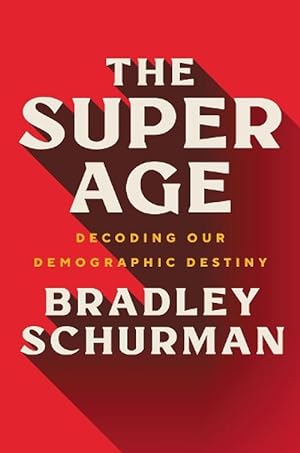
The Super Age (Hardcover)
Lingua: Inglese
Editore: HarperCollins Publishers Inc, New York, 2022
ISBN 10: 0063048752 ISBN 13: 9780063048751
Da: Grand Eagle Retail, Bensenville, IL, U.S.A.
Valutazione del venditore 5 su 5 stelle
Hardcover. Condizione: new. Hardcover. A demographic futurist explains the coming Super Agewhen there will be more people older than sixty-five than those under the age of eighteenand explores what it could mean for our collective future. Societies all over the world are getting older, the result of the fact that we are living longer and having fewer children. At some point in the near future, much of the developed world will have at least twenty percent of their national populations over the age of sixty-five. Bradley Schurman calls this the Super Age. Today, Italy, Japan, and Germany have already reached the Super Age, and another ten countries will have gone over the tipping point in 2021. Thirty-five countries will be part of this club by the end of the decade. This seismic shift in the world population can portend a period of tremendous growthor leave swaths of us behind. Schurman explains how changing demographics will affect government and business and touch all of our lives. Fewer people working and paying income taxes, due to outdated employment and retirement practices, could mean less money feeding popular programs such as Social Security and Medicarewith greater numbers relying on them. The forced retirement or redundancy of older workers could impact business by creating a shortage of workers, which would likely drive wages up and result in inflation. Corporations, too, must rethink marketing strategiesolder consumers are already purchasing the majority of new cars, and they are a growing and vitally important market for health technologies and housing. Architects and designers must re-create homes and communities that are more inclusive of people of all ages and abilities.If we arent prepared for the changes to come, Schurman warns, we face economic stagnation, increased isolation of at-risk populations, and accelerated decline of rural communities. Instead, we can plan now to harness the benefits of the Super Age: extended and healthier lives, more generational cooperation at work and home, and new markets and products to explore. The choice is ours to make. A demographic futurist explains the coming Super Agewhen there will be more people older than sixty-five than those under the age of eighteenand explores what it could mean for our collective future. Shipping may be from multiple locations in the US or from the UK, depending on stock availability.
-

The Super Age
Lingua: Inglese
Editore: HarperCollins Publishers Inc, US, 2022
ISBN 10: 0063048752 ISBN 13: 9780063048751
Da: Rarewaves.com USA, London, LONDO, Regno Unito
Valutazione del venditore 5 su 5 stelle
EUR 29,63
Spedizione gratuita
Spedito da Regno Unito a U.S.A.Quantità: 8 disponibili
Aggiungi al carrelloHardback. Condizione: New. A demographic futurist explains the coming Super Age-when there will be more people older than sixty-five than those under the age of eighteen-and explores what it could mean for our collective future. Societies all over the world are getting older, the result of the fact that we are living longer and having fewer children. At some point in the near future, much of the developed world will have at least twenty percent of their national populations over the age of sixty-five. Bradley Schurman calls this the Super Age. Today, Italy, Japan, and Germany have already reached the Super Age, and another ten countries will have gone over the tipping point in 2021. Thirty-five countries will be part of this club by the end of the decade. This seismic shift in the world population can portend a period of tremendous growth-or leave swaths of us behind. Schurman explains how changing demographics will affect government and business and touch all of our lives. Fewer people working and paying income taxes, due to outdated employment and retirement practices, could mean less money feeding popular programs such as Social Security and Medicare-with greater numbers relying on them. The forced retirement or redundancy of older workers could impact business by creating a shortage of workers, which would likely drive wages up and result in inflation. Corporations, too, must rethink marketing strategies-older consumers are already purchasing the majority of new cars, and they are a growing and vitally important market for health technologies and housing. Architects and designers must re-create homes and communities that are more inclusive of people of all ages and abilities.If we aren't prepared for the changes to come, Schurman warns, we face economic stagnation, increased isolation of at-risk populations, and accelerated decline of rural communities. Instead, we can plan now to harness the benefits of the Super Age: extended and healthier lives, more generational cooperation at work and home, and new markets and products to explore. The choice is ours to make.
-
The Super Age: Decoding Our Demographic Destiny
Da: Russell Books, Victoria, BC, Canada
Valutazione del venditore 4 su 5 stelle
EUR 13,09
Spedizione EUR 16,95
Spedito da Canada a U.S.A.Quantità: 1 disponibili
Aggiungi al carrelloHardcover. Condizione: Very Good. Condizione sovraccoperta: Very Good.
-
The Super Age: Decoding Our Demographic Destiny
Da: Revaluation Books, Exeter, Regno Unito
Valutazione del venditore 5 su 5 stelle
EUR 26,35
Spedizione EUR 14,30
Spedito da Regno Unito a U.S.A.Quantità: 1 disponibili
Aggiungi al carrelloHardcover. Condizione: Brand New. 304 pages. 9.00x6.00x1.01 inches. In Stock.
-
The Super Age: Decoding Our Demographic Destiny
Da: Russell Books, Victoria, BC, Canada
Valutazione del venditore 4 su 5 stelle
EUR 26,19
Spedizione EUR 16,95
Spedito da Canada a U.S.A.Quantità: 16 disponibili
Aggiungi al carrelloHardcover. Condizione: New. Special order direct from the distributor.
-
The Super Age: Decoding Our Demographic Destiny
Da: Revaluation Books, Exeter, Regno Unito
Valutazione del venditore 5 su 5 stelle
EUR 31,02
Spedizione EUR 14,30
Spedito da Regno Unito a U.S.A.Quantità: 1 disponibili
Aggiungi al carrelloHardcover. Condizione: Brand New. 304 pages. 9.00x6.00x1.01 inches. In Stock.
-
The Super Age: Decoding Our Demographic Destiny
Da: Revaluation Books, Exeter, Regno Unito
Valutazione del venditore 5 su 5 stelle
EUR 31,02
Spedizione EUR 14,30
Spedito da Regno Unito a U.S.A.Quantità: 2 disponibili
Aggiungi al carrelloHardcover. Condizione: Brand New. 304 pages. 9.00x6.00x1.01 inches. In Stock.
-

The Super Age: Decoding Our Demographic Destiny
Da: Book Grocer, Tullamarine, VIC, Australia
Valutazione del venditore 5 su 5 stelle
EUR 27,13
Spedizione EUR 25,44
Spedito da Australia a U.S.A.Quantità: 1 disponibili
Aggiungi al carrelloHardback. , . Author: Bradley SchurmanFormat: HardbackNumber of Pages: 272A demographic futurist explains the coming Super Age-when there will be more people older than sixty-five than those under the age of eighteen-and explores what it could mean for our collective future. Societies all over the world are getting older, the result of the fact that we are living longer and having fewer children. At some point in the near future, much of the developed world will have at least twenty percent of their national populations over the age of sixty-five. Bradley Schurman calls this the Super Age. Today, Italy, Japan, and Germany have already reached the Super Age, and another ten countries will have gone over the tipping point in 2021. Thirty-five countries will be part of this club by the end of the decade. This seismic shift in the world population can portend a period of tremendous growth-or leave swaths of us behind. Schurman explains how changing demographics will affect government and business and touch all of our lives. Fewer people working and paying income taxes, due to outdated employment and retirement practices, could mean less money feeding popular programs such as Social Security and Medicare-with greater numbers relying on them. The forced retirement or redundancy of older workers could impact business by creating a shortage of workers, which would likely drive wages up and result in inflation. Corporations, too, must rethink marketing strategies-older consumers are already purchasing the majority of new cars, and they are a growing and vitally important market for health technologies and housing. Architects and designers must re-create homes and communities that are more inclusive of people of all ages and abilities. If we aren't prepared for the changes to come, Schurman warns, we face economic stagnation, increased isolation of at-risk populations, and accelerated decline of rural communities. Instead, we can plan now to harness the benefits of the Super Age: extended and healthier lives, more generational cooperation at work and home, and new markets and products to explore. The choice is ours to make. Hardback.
-
The Super Age: Decoding Our Demographic Destiny
Da: London Bridge Books, London, Regno Unito
Valutazione del venditore 5 su 5 stelle
EUR 7,51
Spedizione EUR 51,50
Spedito da Regno Unito a U.S.A.Quantità: 1 disponibili
Aggiungi al carrellohardcover. Condizione: Good.
-

The Super Age
Lingua: Inglese
Editore: HarperCollins Publishers Inc, US, 2022
ISBN 10: 0063048752 ISBN 13: 9780063048751
Da: Rarewaves USA United, OSWEGO, IL, U.S.A.
Valutazione del venditore 5 su 5 stelle
Hardback. Condizione: New. A demographic futurist explains the coming Super Age-when there will be more people older than sixty-five than those under the age of eighteen-and explores what it could mean for our collective future. Societies all over the world are getting older, the result of the fact that we are living longer and having fewer children. At some point in the near future, much of the developed world will have at least twenty percent of their national populations over the age of sixty-five. Bradley Schurman calls this the Super Age. Today, Italy, Japan, and Germany have already reached the Super Age, and another ten countries will have gone over the tipping point in 2021. Thirty-five countries will be part of this club by the end of the decade. This seismic shift in the world population can portend a period of tremendous growth-or leave swaths of us behind. Schurman explains how changing demographics will affect government and business and touch all of our lives. Fewer people working and paying income taxes, due to outdated employment and retirement practices, could mean less money feeding popular programs such as Social Security and Medicare-with greater numbers relying on them. The forced retirement or redundancy of older workers could impact business by creating a shortage of workers, which would likely drive wages up and result in inflation. Corporations, too, must rethink marketing strategies-older consumers are already purchasing the majority of new cars, and they are a growing and vitally important market for health technologies and housing. Architects and designers must re-create homes and communities that are more inclusive of people of all ages and abilities.If we aren't prepared for the changes to come, Schurman warns, we face economic stagnation, increased isolation of at-risk populations, and accelerated decline of rural communities. Instead, we can plan now to harness the benefits of the Super Age: extended and healthier lives, more generational cooperation at work and home, and new markets and products to explore. The choice is ours to make.

