

Importo totale (1 articolo articoli):
Destinazione ordine:

9780199935833 - eGods: Faith Versus Fantasy In Computer Gaming di Bainbridge, William Sims (20 risultati)
Vai alla pagina principale dei risultati di ricerca
Filtri di ricerca
Tipo di articolo
- Tutti i tipi di prodotto
- Libri (20)
- Riviste e Giornali (Nessun altro risultato corrispondente a questo perfezionamento)
- Fumetti (Nessun altro risultato corrispondente a questo perfezionamento)
- Spartiti (Nessun altro risultato corrispondente a questo perfezionamento)
- Arte, Stampe e Poster (Nessun altro risultato corrispondente a questo perfezionamento)
- Fotografie (Nessun altro risultato corrispondente a questo perfezionamento)
- Mappe (Nessun altro risultato corrispondente a questo perfezionamento)
- Manoscritti e Collezionismo cartaceo (Nessun altro risultato corrispondente a questo perfezionamento)
Condizioni Maggiori informazioni
- Nuovo (13)
- Come nuovo, Ottimo o Quasi ottimo (3)
- Molto buono o Buono (4)
- Discreto o Mediocre (Nessun altro risultato corrispondente a questo perfezionamento)
- Come descritto (Nessun altro risultato corrispondente a questo perfezionamento)
Legatura
- Tutte
- Rilegato (Nessun altro risultato corrispondente a questo perfezionamento)
- Brossura (20)
Ulteriori caratteristiche
- Prima ed. (1)
- Copia autograf. (Nessun altro risultato corrispondente a questo perfezionamento)
- Sovracoperta (Nessun altro risultato corrispondente a questo perfezionamento)
- Con foto (5)
- Non Print on Demand (11)
Lingua (1)
Spedizione gratuita
Paese del venditore
Valutazione venditore
-

eGods : Faith Versus Fantasy in Computer Gaming
Lingua: Inglese
Editore: Oxford University Press, Incorporated, 2013
ISBN 10: 0199935831 ISBN 13: 9780199935833
Da: Better World Books, Mishawaka, IN, U.S.A.
Valutazione del venditore 5 su 5 stelle

Prima edizione
Condizione: Very Good. 1st Edition. Former library copy. Pages intact with possible writing/highlighting. Binding strong with minor wear. Dust jackets/supplements may not be included. Includes library markings. Stock photo provided. Product includes identifying sticker. Better World Books: Buy Books. Do Good.
-
eGods: Faith versus Fantasy in Computer Gaming
Da: Wonder Book, Frederick, MD, U.S.A.
Membro dell'associazione: ABAA ILAB
Valutazione del venditore 5 su 5 stelle
Condizione: Very Good. Very Good condition. A copy that may have a few cosmetic defects. May also contain light spine creasing or a few markings such as an owner's name, short gifter's inscription or light stamp.
-
eGods: Faith versus Fantasy in Computer Gaming
Da: Housing Works Online Bookstore, New York, NY, U.S.A.
Valutazione del venditore 5 su 5 stelle
Condizione: Very Good. Minimal wear to cover. Pages clean and binding tight. shelf wear. bumped edges. Paperback.
-
eGods: Faith versus Fantasy in Computer Gaming
Da: Ezekial Books, LLC, Manchester, NH, U.S.A.
Valutazione del venditore 4 su 5 stelle

paperback. Condizione: Fine. Only minor cover wear. Otherwise, book is in Excellent Condition. 100% Satisfaction Guaranteed.
-
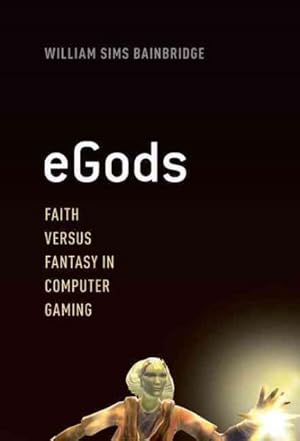
eGods : Faith Versus Fantasy in Computer Gaming
Da: GreatBookPrices, Columbia, MD, U.S.A.
Valutazione del venditore 5 su 5 stelle
EUR 38,35
Spedizione EUR 2,29
Spedito in U.S.A.Quantità: Più di 20 disponibili
Aggiungi al carrelloCondizione: As New. Unread book in perfect condition.
-
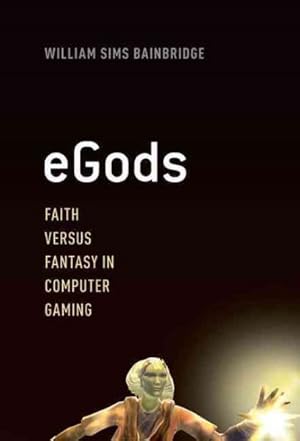
eGods : Faith Versus Fantasy in Computer Gaming
Da: GreatBookPrices, Columbia, MD, U.S.A.
Valutazione del venditore 5 su 5 stelle
EUR 38,66
Spedizione EUR 2,29
Spedito in U.S.A.Quantità: Più di 20 disponibili
Aggiungi al carrelloCondizione: New.
-
eGods: Faith versus Fantasy in Computer Gaming
Da: Ria Christie Collections, Uxbridge, Regno Unito
Valutazione del venditore 5 su 5 stelle
EUR 37,08
Spedizione EUR 13,87
Spedito da Regno Unito a U.S.A.Quantità: Più di 20 disponibili
Aggiungi al carrelloCondizione: New. In.
-
eGods: Faith Versus Fantasy in Computer Gaming
Da: Chiron Media, Wallingford, Regno Unito
Valutazione del venditore 5 su 5 stelle
EUR 33,93
Spedizione EUR 17,93
Spedito da Regno Unito a U.S.A.Quantità: 10 disponibili
Aggiungi al carrelloPF. Condizione: New.
-

eGods : Faith Versus Fantasy in Computer Gaming
Da: GreatBookPricesUK, Woodford Green, Regno Unito
Valutazione del venditore 5 su 5 stelle
EUR 36,89
Spedizione EUR 17,36
Spedito da Regno Unito a U.S.A.Quantità: Più di 20 disponibili
Aggiungi al carrelloCondizione: New.
-
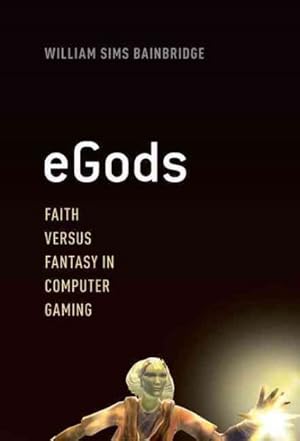
eGods : Faith Versus Fantasy in Computer Gaming
Da: GreatBookPricesUK, Woodford Green, Regno Unito
Valutazione del venditore 5 su 5 stelle
EUR 40,98
Spedizione EUR 17,36
Spedito da Regno Unito a U.S.A.Quantità: Più di 20 disponibili
Aggiungi al carrelloCondizione: As New. Unread book in perfect condition.
-
eGods: Faith versus Fantasy in Computer Gaming
Da: Mooney's bookstore, Den Helder, Paesi Bassi
Valutazione del venditore 4 su 5 stelle
EUR 59,11
Spedizione EUR 14,95
Spedito da Paesi Bassi a U.S.A.Quantità: 1 disponibili
Aggiungi al carrelloCondizione: Very good.
-
eGods
Da: PBShop.store US, Wood Dale, IL, U.S.A.
Valutazione del venditore 5 su 5 stelle
EUR 41,02
Spedizione gratuita
Spedito in U.S.A.Quantità: Più di 20 disponibili
Aggiungi al carrelloPAP. Condizione: New. New Book. Shipped from UK. THIS BOOK IS PRINTED ON DEMAND. Established seller since 2000.
-
eGods: Faith versus Fantasy in Computer Gaming (eng)
Da: Brook Bookstore On Demand, Napoli, NA, Italia
Valutazione del venditore 4 su 5 stelle
EUR 36,82
Spedizione EUR 5,50
Spedito da Italia a U.S.A.Quantità: Più di 20 disponibili
Aggiungi al carrelloCondizione: new. Questo è un articolo print on demand.
-
eGods
Da: PBShop.store UK, Fairford, GLOS, Regno Unito
Valutazione del venditore 4 su 5 stelle
EUR 37,37
Spedizione EUR 5,81
Spedito da Regno Unito a U.S.A.Quantità: Più di 20 disponibili
Aggiungi al carrelloPAP. Condizione: New. New Book. Delivered from our UK warehouse in 4 to 14 business days. THIS BOOK IS PRINTED ON DEMAND. Established seller since 2000.
-
eGods: Faith versus Fantasy in Computer Gaming
Lingua: Inglese
Editore: Oxford University Press Inc, 2013
ISBN 10: 0199935831 ISBN 13: 9780199935833
Da: THE SAINT BOOKSTORE, Southport, Regno Unito
Valutazione del venditore 5 su 5 stelle
EUR 42,79
Spedizione EUR 17,86
Spedito da Regno Unito a U.S.A.Quantità: Più di 20 disponibili
Aggiungi al carrelloPaperback / softback. Condizione: New. This item is printed on demand. New copy - Usually dispatched within 5-9 working days.
-
eGods
Da: Majestic Books, Hounslow, Regno Unito
Valutazione del venditore 4 su 5 stelle
EUR 63,57
Spedizione EUR 7,52
Spedito da Regno Unito a U.S.A.Quantità: 4 disponibili
Aggiungi al carrelloCondizione: New. Print on Demand pp. 336.
-
eGods
Lingua: Inglese
Editore: Oxford University Press OUP, 2013
ISBN 10: 0199935831 ISBN 13: 9780199935833
Da: Books Puddle, New York, NY, U.S.A.
Valutazione del venditore 4 su 5 stelle
Condizione: New. Print on Demand pp. 336.
-
EUR 64,25
Spedizione EUR 9,95
Spedito da Germania a U.S.A.Quantità: 4 disponibili
Aggiungi al carrelloCondizione: New. PRINT ON DEMAND pp. 336.
-
eGods (Paperback)
Lingua: Inglese
Editore: Oxford University Press Inc, New York, 2013
ISBN 10: 0199935831 ISBN 13: 9780199935833
Da: CitiRetail, Stevenage, Regno Unito
Valutazione del venditore 5 su 5 stelle
EUR 42,31
Spedizione EUR 42,83
Spedito da Regno Unito a U.S.A.Quantità: 1 disponibili
Aggiungi al carrelloPaperback. Condizione: new. Paperback. William Bainbridge takes an in-depth look at the fantasy religions that exist in 34 different massively multiplayer online roleplaying games. He categorizes the religions, noting similarities across the games. He points, for instance, to the prevalence of polytheism: a system which, Bainbridge argues, can function as an effective map of reality in which each deity personifies a concept. Religions are as much about conceptualizing the self as conceptualizing the sacred. Most games allow the players to have multiple avatars, an idea Bainbridge likens to contemporary scientific ideas about personality. He also focuses on sacred spaces; the prevalence of magic and its relationship to the computer program and programmer; the fostering of a tribal morality by both religion and rules programmed into the game; the rise of cults and belief systems within the game worlds (and how this relates to social science theories of cult formation in the real world); and, of course, how the gameworld religions depict death. As avatars are immortal, death is merely a minor setback in most games. At the same time, much of the action in some gameworlds centers on the issue of mortality and the problematic nature of resurrection.Bainbridge contends that gameworlds are giving us a new perspective on the human quest, one that combines the arts and simulates most aspects of real life. The quests in gameworlds also provide meaning for human action, in terms of narratives about achieving goals by overcoming obstacles. Perhaps meaning does not naturally exist in our universe, but must be created by us, both in our fantasies and in day-to-day life. Like the games analyzed in this book, he says, traditional religions are fantasies that should be respected as works of art in a future civilization of disbelief. William Bainbridge contends that the worlds of massively multiplayer online roleplaying games provide a new perspective on the human quest, one that combines the arts and simulates most aspects of real life. The quests in gameworlds also provide meaning for human action, in terms of narratives about achieving goals by overcoming obstacles. This item is printed on demand. Shipping may be from our UK warehouse or from our Australian or US warehouses, depending on stock availability.
-

EUR 54,34
Spedizione EUR 62,89
Spedito da Germania a U.S.A.Quantità: 1 disponibili
Aggiungi al carrelloTaschenbuch. Condizione: Neu. nach der Bestellung gedruckt Neuware - Printed after ordering - William Bainbridge takes an in-depth look at the fantasy religions that exist in 34 different massively multiplayer online roleplaying games. He categorizes the religions, noting similarities across the games. He points, for instance, to the prevalence of polytheism: a system which, Bainbridge argues, can function as an effective map of reality in which each deity personifies a concept. Religions are as much about conceptualizing the self as conceptualizing the sacred. Most games allow the players to have multiple avatars, an idea Bainbridge likens to contemporary scientific ideas about personality. He also focuses on sacred spaces; the prevalence of magic and its relationship to the computer program and programmer; the fostering of a tribal morality by both religion and rules programmed into the game; the rise of cults and belief systems within the game worlds (and how this relates to social science theories of cult formation in the real world); and, of course, how the gameworld religions depict death. As avatars are immortal, death is merely a minor setback in most games. At the same time, much of the action in some gameworlds centers on the issue of mortality and the problematic nature of resurrection. Bainbridge contends that gameworlds are giving us a new perspective on the human quest, one that combines the arts and simulates most aspects of real life. The quests in gameworlds also provide meaning for human action, in terms of narratives about achieving goals by overcoming obstacles. Perhaps meaning does not naturally exist in our universe, but must be created by us, both in our fantasies and in day-to-day life. Like the games analyzed in this book, he says, traditional religions are fantasies that should be respected as works of art in a future civilization of disbelief.

