

Importo totale (1 articolo articoli):
Destinazione ordine:

9780415566230 - The Developing Mind: A Philosophical Introduction di Butterfill, Stephen (24 risultati)
Vai alla pagina principale dei risultati di ricerca
Filtri di ricerca
Tipo di articolo
- Tutti i tipi di prodotto
- Libri (24)
- Riviste e Giornali (Nessun altro risultato corrispondente a questo perfezionamento)
- Fumetti (Nessun altro risultato corrispondente a questo perfezionamento)
- Spartiti (Nessun altro risultato corrispondente a questo perfezionamento)
- Arte, Stampe e Poster (Nessun altro risultato corrispondente a questo perfezionamento)
- Fotografie (Nessun altro risultato corrispondente a questo perfezionamento)
- Mappe (Nessun altro risultato corrispondente a questo perfezionamento)
- Manoscritti e Collezionismo cartaceo (Nessun altro risultato corrispondente a questo perfezionamento)
Condizioni Maggiori informazioni
- Nuovo (21)
- Come nuovo, Ottimo o Quasi ottimo (2)
- Molto buono o Buono (1)
- Discreto o Mediocre (Nessun altro risultato corrispondente a questo perfezionamento)
- Come descritto (Nessun altro risultato corrispondente a questo perfezionamento)
Legatura
- Tutte
- Rilegato (Nessun altro risultato corrispondente a questo perfezionamento)
- Brossura (24)
Ulteriori caratteristiche
- Prima ed. (Nessun altro risultato corrispondente a questo perfezionamento)
- Copia autograf. (Nessun altro risultato corrispondente a questo perfezionamento)
- Sovracoperta (Nessun altro risultato corrispondente a questo perfezionamento)
- Con foto (6)
- Non Print on Demand (19)
Lingua (1)
Prezzo
- Qualsiasi prezzo
- Inferiore a EUR 20 (Nessun altro risultato corrispondente a questo perfezionamento)
- EUR 20 a EUR 45
- Superiore a EUR 45
Spedizione gratuita
Paese del venditore
Valutazione venditore
-

The Developing Mind: A Philosophical Introduction
Da: WeBuyBooks, Rossendale, LANCS, Regno Unito
Valutazione del venditore 5 su 5 stelle

EUR 33,19
Spedizione EUR 8,12
Spedito da Regno Unito a U.S.A.Quantità: 1 disponibili
Aggiungi al carrelloCondizione: Very Good. Most items will be dispatched the same or the next working day. A copy that has been read, but is in excellent condition. Pages are intact and not marred by notes or highlighting. The spine remains undamaged.
-
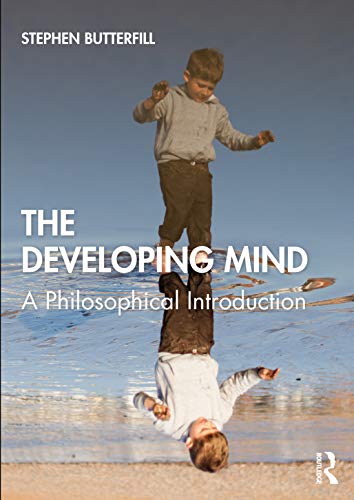
Developing Mind : A Philosophical Introduction
Da: GreatBookPrices, Columbia, MD, U.S.A.
Valutazione del venditore 5 su 5 stelle
Condizione: As New. Unread book in perfect condition.
-
The Developing Mind: A Philosophical Introduction
Da: Chiron Media, Wallingford, Regno Unito
Valutazione del venditore 5 su 5 stelle
EUR 35,35
Spedizione EUR 17,91
Spedito da Regno Unito a U.S.A.Quantità: 5 disponibili
Aggiungi al carrelloPaperback. Condizione: New.
-
Developing Mind : A Philosophical Introduction
Da: GreatBookPrices, Columbia, MD, U.S.A.
Valutazione del venditore 5 su 5 stelle
Condizione: New.
-
The Developing Mind
Da: Majestic Books, Hounslow, Regno Unito
Valutazione del venditore 4 su 5 stelle

EUR 52,57
Spedizione EUR 7,52
Spedito da Regno Unito a U.S.A.Quantità: 3 disponibili
Aggiungi al carrelloCondizione: New. pp. 240.
-
Developing Mind : A Philosophical Introduction
Da: GreatBookPricesUK, Woodford Green, Regno Unito
Valutazione del venditore 5 su 5 stelle
EUR 44,06
Spedizione EUR 17,35
Spedito da Regno Unito a U.S.A.Quantità: Più di 20 disponibili
Aggiungi al carrelloCondizione: New.
-

The Developing Mind: A Philosophical Introduction (Paperback or Softback)
Da: BargainBookStores, Grand Rapids, MI, U.S.A.
Valutazione del venditore 5 su 5 stelle
Condizione: New. The Developing Mind: A Philosophical Introduction (Paperback or Softback).
-
Condizione: New. pp. 240.
-
Developing Mind : A Philosophical Introduction
Da: GreatBookPricesUK, Woodford Green, Regno Unito
Valutazione del venditore 5 su 5 stelle
EUR 52,72
Spedizione EUR 17,35
Spedito da Regno Unito a U.S.A.Quantità: Più di 20 disponibili
Aggiungi al carrelloCondizione: As New. Unread book in perfect condition.
-
The Developing Mind: A Philosophical Introduction
Da: Asano Bookshop, Nagoya, AICHI, Giappone
Valutazione del venditore 5 su 5 stelle
EUR 38,11
Spedizione EUR 31,87
Spedito da Giappone a U.S.A.Quantità: 1 disponibili
Aggiungi al carrelloCondizione: Brand New. 17 Apr 2020.
-
The Developing Mind: A Philosophical Introduction
Da: THE SAINT BOOKSTORE, Southport, Regno Unito
Valutazione del venditore 5 su 5 stelle
EUR 52,68
Spedizione EUR 18,33
Spedito da Regno Unito a U.S.A.Quantità: 1 disponibili
Aggiungi al carrelloPaperback / softback. Condizione: New. New copy - Usually dispatched within 4 working days.
-
The Developing Mind: A Philosophical Introduction
Da: Chiron Media, Wallingford, Regno Unito
Valutazione del venditore 5 su 5 stelle
EUR 54,14
Spedizione EUR 17,91
Spedito da Regno Unito a U.S.A.Quantità: 10 disponibili
Aggiungi al carrelloPaperback. Condizione: New.
-
The Developing Mind
Da: Biblios, Frankfurt am main, HESSE, Germania
Valutazione del venditore 4 su 5 stelle
EUR 62,37
Spedizione EUR 9,95
Spedito da Germania a U.S.A.Quantità: 3 disponibili
Aggiungi al carrelloCondizione: New. pp. 240.
-
The Developing Mind
Da: Ria Christie Collections, Uxbridge, Regno Unito
Valutazione del venditore 5 su 5 stelle
EUR 60,50
Spedizione EUR 13,85
Spedito da Regno Unito a U.S.A.Quantità: Più di 20 disponibili
Aggiungi al carrelloCondizione: New. In.
-
The Developing Mind: A Philosophical Introduction
Da: Kennys Bookshop and Art Galleries Ltd., Galway, GY, Irlanda
Valutazione del venditore 5 su 5 stelle
EUR 68,96
Spedizione EUR 10,50
Spedito da Irlanda a U.S.A.Quantità: Più di 20 disponibili
Aggiungi al carrelloCondizione: New.
-
The Developing Mind: A Philosophical Introduction
Da: Kennys Bookstore, Olney, MD, U.S.A.
Valutazione del venditore 5 su 5 stelle
EUR 84,65
Spedizione EUR 9,04
Spedito in U.S.A.Quantità: Più di 20 disponibili
Aggiungi al carrelloCondizione: New.
-
The Developing Mind: An Introduction to Philosophy of Mind and Psychology
Da: Revaluation Books, Exeter, Regno Unito
Valutazione del venditore 5 su 5 stelle
EUR 79,08
Spedizione EUR 14,45
Spedito da Regno Unito a U.S.A.Quantità: 2 disponibili
Aggiungi al carrelloPaperback. Condizione: Brand New. 240 pages. 9.50x7.00x0.75 inches. In Stock.
-

EUR 45,93
Spedizione EUR 48,99
Spedito da Germania a U.S.A.Quantità: Più di 20 disponibili
Aggiungi al carrelloKartoniert / Broschiert. Condizione: New.
-
EUR 48,70
Spedizione EUR 70,00
Spedito da Germania a U.S.A.Quantità: 5 disponibili
Aggiungi al carrelloTaschenbuch. Condizione: Neu. The Developing Mind | A Philosophical Introduction | Stephen Butterfill | Taschenbuch | Einband - flex.(Paperback) | Englisch | 2020 | Routledge | EAN 9780415566230 | Verantwortliche Person für die EU: Libri GmbH, Europaallee 1, 36244 Bad Hersfeld, gpsr[at]libri[dot]de | Anbieter: preigu.
-
The Developing Mind: A Philosophical Introduction
Da: THE SAINT BOOKSTORE, Southport, Regno Unito
Valutazione del venditore 5 su 5 stelle
EUR 44,07
Spedizione EUR 18,21
Spedito da Regno Unito a U.S.A.Quantità: 5 disponibili
Aggiungi al carrelloPaperback / softback. Condizione: New. This item is printed on demand. New copy - Usually dispatched within 5-9 working days.
-
The Developing Mind
Da: PBShop.store US, Wood Dale, IL, U.S.A.
Valutazione del venditore 5 su 5 stelle
EUR 64,57
Spedizione gratuita
Spedito in U.S.A.Quantità: Più di 20 disponibili
Aggiungi al carrelloPAP. Condizione: New. New Book. Shipped from UK. THIS BOOK IS PRINTED ON DEMAND. Established seller since 2000.
-
The Developing Mind
Da: PBShop.store UK, Fairford, GLOS, Regno Unito
Valutazione del venditore 5 su 5 stelle
EUR 61,19
Spedizione EUR 5,80
Spedito da Regno Unito a U.S.A.Quantità: Più di 20 disponibili
Aggiungi al carrelloPAP. Condizione: New. New Book. Delivered from our UK warehouse in 4 to 14 business days. THIS BOOK IS PRINTED ON DEMAND. Established seller since 2000.
-

The Developing Mind
Da: BuchWeltWeit Ludwig Meier e.K., Bergisch Gladbach, Germania
Valutazione del venditore 5 su 5 stelle
EUR 48,90
Spedizione EUR 23,00
Spedito da Germania a U.S.A.Quantità: 2 disponibili
Aggiungi al carrelloTaschenbuch. Condizione: Neu. This item is printed on demand - it takes 3-4 days longer - Neuware -The development of children's minds raises fundamental questions, from how we are able to know about basic aspects of the world such as objects and actions, to how we come to grasp mental states. The Developing Mind is the first book to critically introduce and examine philosophical questions concerning children's cognitive development and toconsider the implications of scientific breakthroughs for the philosophy of developmental psychology.The book explores central topics in developmental psychology from a philosophical perspective:children's awareness of objects and the question of 'object permanence' the nature and explanatory role of 'core knowledge'evidence for innate drivers of languagechildren's knowledge of the relation between actions and goals puzzles about when infants first have awareness of other mindshow social interaction explains the emergence of knowledgeThroughout the book, Stephen Butterfill draws on important case studies, including experiments with children on objects and their interactions, 'false belief tasks', and the process by which children come to see other people, not just themselves, as purposive agents. He shows how these questions can illuminate fundamental debates in philosophy of mind concerning the mind's architecture, the explanatory power of representation, the social character of knowledge, and the nature of metacognitive feelings.Additional features, such as a glossary and extensive bibliographic references, provide helpful tools for those coming to the subject for the first time. 278 pp. Englisch.
-

EUR 57,89
Spedizione EUR 62,51
Spedito da Germania a U.S.A.Quantità: 1 disponibili
Aggiungi al carrelloTaschenbuch. Condizione: Neu. nach der Bestellung gedruckt Neuware - Printed after ordering - The development of children's minds raises fundamental questions, from how we are able to know about basic aspects of the world such as objects and actions, to how we come to grasp mental states. The Developing Mind is the first book to critically introduce and examine philosophical questions concerning children's cognitive development and toconsider the implications of scientific breakthroughs for the philosophy of developmental psychology.The book explores central topics in developmental psychology from a philosophical perspective:children's awareness of objects and the question of 'object permanence' the nature and explanatory role of 'core knowledge'evidence for innate drivers of languagechildren's knowledge of the relation between actions and goals puzzles about when infants first have awareness of other mindshow social interaction explains the emergence of knowledgeThroughout the book, Stephen Butterfill draws on important case studies, including experiments with children on objects and their interactions, 'false belief tasks', and the process by which children come to see other people, not just themselves, as purposive agents. He shows how these questions can illuminate fundamental debates in philosophy of mind concerning the mind's architecture, the explanatory power of representation, the social character of knowledge, and the nature of metacognitive feelings.Additional features, such as a glossary and extensive bibliographic references, provide helpful tools for those coming to the subject for the first time.


