

Importo totale (1 articolo articoli):
Destinazione ordine:

9780631183853 - Artificial Intelligence: A Philosophical Introduction di Copeland, Jack (37 risultati)
Vai alla pagina principale dei risultati di ricerca
Filtri di ricerca
Tipo di articolo
- Tutti i tipi di prodotto
- Libri (37)
- Riviste e Giornali (Nessun altro risultato corrispondente a questo perfezionamento)
- Fumetti (Nessun altro risultato corrispondente a questo perfezionamento)
- Spartiti (Nessun altro risultato corrispondente a questo perfezionamento)
- Arte, Stampe e Poster (Nessun altro risultato corrispondente a questo perfezionamento)
- Fotografie (Nessun altro risultato corrispondente a questo perfezionamento)
- Mappe (Nessun altro risultato corrispondente a questo perfezionamento)
- Manoscritti e Collezionismo cartaceo (Nessun altro risultato corrispondente a questo perfezionamento)
Condizioni Maggiori informazioni
- Nuovo (23)
- Come nuovo, Ottimo o Quasi ottimo (2)
- Molto buono o Buono (10)
- Discreto o Mediocre (2)
- Come descritto (Nessun altro risultato corrispondente a questo perfezionamento)
Legatura
- Tutte
- Rilegato (Nessun altro risultato corrispondente a questo perfezionamento)
- Brossura (37)
Ulteriori caratteristiche
- Prima ed. (5)
- Copia autograf. (Nessun altro risultato corrispondente a questo perfezionamento)
- Sovracoperta (Nessun altro risultato corrispondente a questo perfezionamento)
- Con foto (8)
- Non Print on Demand (35)
Lingua (1)
Spedizione gratuita
Paese del venditore
Valutazione venditore
-
Paperback. Condizione: Acceptable. Connecting readers with great books since 1972. Used textbooks may not include companion materials such as access codes, etc. May have condition issues including wear and notes/highlighting. We ship orders daily and Customer Service is our top priority!
-
Paperback. Condizione: Good. Connecting readers with great books since 1972! Used textbooks may not include companion materials such as access codes, etc. May have some wear or writing/highlighting. We ship orders daily and Customer Service is our top priority!
-
Artificial Intelligence: A Philosophical Introduction
Da: ThriftBooks-Atlanta, AUSTELL, GA, U.S.A.
Valutazione del venditore 5 su 5 stelle

Paperback. Condizione: Very Good. No Jacket. Former library book; May have limited writing in cover pages. Pages are unmarked. ~ ThriftBooks: Read More, Spend Less.
-
Artificial Intelligence: A Philosophical Introduction
Da: ThriftBooks-Reno, Reno, NV, U.S.A.
Valutazione del venditore 5 su 5 stelle
Paperback. Condizione: Good. No Jacket. Pages can have notes/highlighting. Spine may show signs of wear. ~ ThriftBooks: Read More, Spend Less.
-
Artificial Intelligence: A Philosophical Introduction
Da: ThriftBooks-Dallas, Dallas, TX, U.S.A.
Valutazione del venditore 5 su 5 stelle
Paperback. Condizione: Very Good. No Jacket. May have limited writing in cover pages. Pages are unmarked. ~ ThriftBooks: Read More, Spend Less.
-
Artificial Intelligence: A Philosophical Introduction
Da: ThriftBooks-Dallas, Dallas, TX, U.S.A.
Valutazione del venditore 5 su 5 stelle
Paperback. Condizione: Fair. No Jacket. Readable copy. Pages may have considerable notes/highlighting. ~ ThriftBooks: Read More, Spend Less.
-
Artificial Intelligence: A Philosophical Introduction
Da: ThriftBooks-Dallas, Dallas, TX, U.S.A.
Valutazione del venditore 5 su 5 stelle
Paperback. Condizione: Good. No Jacket. Pages can have notes/highlighting. Spine may show signs of wear. ~ ThriftBooks: Read More, Spend Less.
-
Artificial Intelligence: A Philosophical Introduction
Da: ThriftBooks-Atlanta, AUSTELL, GA, U.S.A.
Valutazione del venditore 5 su 5 stelle
Paperback. Condizione: Good. No Jacket. Pages can have notes/highlighting. Spine may show signs of wear. ~ ThriftBooks: Read More, Spend Less.
-
Artificial Intelligence : A Philosophical Introduction
Lingua: Inglese
Editore: Wiley & Sons, Incorporated, John, 1993
ISBN 10: 063118385X ISBN 13: 9780631183853
Da: Better World Books, Mishawaka, IN, U.S.A.
Valutazione del venditore 5 su 5 stelle
Condizione: Good. Pages intact with minimal writing/highlighting. The binding may be loose and creased. Dust jackets/supplements are not included. Stock photo provided. Product includes identifying sticker. Better World Books: Buy Books. Do Good.
-
Artificial Intelligence: A Philosophical Introduction
Da: Cloud Runner Books, Minneapolis, MN, U.S.A.
Valutazione del venditore 4 su 5 stelle

Paperback. Condizione: Very Good. Artificial Intelligence: A Philosophical Introduction by Jack Copeland. Wiley-Blackwell, 1993. 336pp. Language: English. Condition Notes: Note: Gently used with minor wear. Pages clean and unmarked. Binding is in excellent condition.
-
Paperback. Condizione: new. New Copy. Customer Service Guaranteed.
-
Artificial Intelligence; A Philosophical Introduction
Da: Quality Books UK, Derby, DERBY, Regno Unito
Valutazione del venditore 4 su 5 stelle
Prima edizione
EUR 14,12
Spedizione EUR 23,35
Spedito da Regno Unito a U.S.A.Quantità: 1 disponibili
Aggiungi al carrelloPaperback. Condizione: Very Good. Condizione sovraccoperta: No Dust Jacket. First Edition.
-
Artificial Intelligence : A Philosophical Introduction
Da: GreatBookPrices, Columbia, MD, U.S.A.
Valutazione del venditore 5 su 5 stelle
EUR 41,30
Spedizione EUR 2,31
Spedito in U.S.A.Quantità: Più di 20 disponibili
Aggiungi al carrelloCondizione: New.
-

Artificial Intelligence (Paperback)
Lingua: Inglese
Editore: John Wiley and Sons Ltd, Hoboken, 1993
ISBN 10: 063118385X ISBN 13: 9780631183853
Da: Grand Eagle Retail, Bensenville, IL, U.S.A.
Valutazione del venditore 5 su 5 stelle
Prima edizione
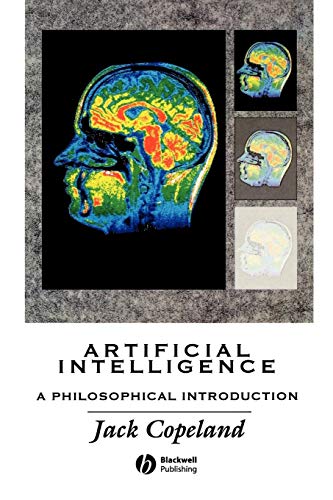
Paperback. Condizione: new. Paperback. Presupposing no familiarity with the technical concepts of either philosophy or computing, this clear introduction reviews the progress made in AI since the inception of the field in 1956. Copeland goes on to analyze what those working in AI must achieve before they can claim to have built a thinking machine and appraises their prospects of succeeding. There are clear introductions to connectionism and to the language of thought hypothesis which weave together material from philosophy, artificial intelligence and neuroscience. John Searle's attacks on AI and cognitive science are countered and close attention is given to foundational issues, including the nature of computation, Turing Machines, the Church-Turing Thesis and the difference between classical symbol processing and parallel distributed processing. The book also explores the possibility of machines having free will and consciousness and concludes with a discussion of in what sense the human brain may be a computer. Presupposing no familiarity with the technical concepts of either philosophy or computing, this clear introduction reviews the progress made in AI since the inception of the field in 1956. Shipping may be from multiple locations in the US or from the UK, depending on stock availability.
-
Artificial Intelligence : A Philosophical Introduction
Da: GreatBookPrices, Columbia, MD, U.S.A.
Valutazione del venditore 5 su 5 stelle
EUR 45,30
Spedizione EUR 2,31
Spedito in U.S.A.Quantità: Più di 20 disponibili
Aggiungi al carrelloCondizione: As New. Unread book in perfect condition.
-
Artificial Intelligence: A Philosophical Introduction
Da: WorldofBooks, Goring-By-Sea, WS, Regno Unito
Valutazione del venditore 5 su 5 stelle
EUR 42,28
Spedizione EUR 6,54
Spedito da Regno Unito a U.S.A.Quantità: 5 disponibili
Aggiungi al carrelloPaperback. Condizione: Very Good. The book has been read, but is in excellent condition. Pages are intact and not marred by notes or highlighting. The spine remains undamaged.
-
Artificial Intelligence
Da: PBShop.store UK, Fairford, GLOS, Regno Unito
Valutazione del venditore 5 su 5 stelle
EUR 44,01
Spedizione EUR 5,86
Spedito da Regno Unito a U.S.A.Quantità: 15 disponibili
Aggiungi al carrelloPAP. Condizione: New. New Book. Shipped from UK. Established seller since 2000.
-
Artificial Intelligence - A Philosophical Introduction (eng)
Da: Brook Bookstore On Demand, Napoli, NA, Italia
Valutazione del venditore 5 su 5 stelle
EUR 44,24
Spedizione EUR 5,50
Spedito da Italia a U.S.A.Quantità: Più di 20 disponibili
Aggiungi al carrelloCondizione: new.
-

Artificial Intelligence
Lingua: Inglese
Editore: John Wiley and Sons Ltd, GB, 1993
ISBN 10: 063118385X ISBN 13: 9780631183853
Da: Rarewaves.com USA, London, LONDO, Regno Unito
Valutazione del venditore 5 su 5 stelle
EUR 54,76
Spedizione gratuita
Spedito da Regno Unito a U.S.A.Quantità: Più di 20 disponibili
Aggiungi al carrelloPaperback. Condizione: New. Presupposing no familiarity with the technical concepts of either philosophy or computing, this clear introduction reviews the progress made in AI since the inception of the field in 1956. Copeland goes on to analyze what those working in AI must achieve before they can claim to have built a thinking machine and appraises their prospects of succeeding. There are clear introductions to connectionism and to the language of thought hypothesis which weave together material from philosophy, artificial intelligence and neuroscience. John Searle's attacks on AI and cognitive science are countered and close attention is given to foundational issues, including the nature of computation, Turing Machines, the Church-Turing Thesis and the difference between classical symbol processing and parallel distributed processing. The book also explores the possibility of machines having free will and consciousness and concludes with a discussion of in what sense the human brain may be a computer.
-
Artificial Intelligence : A Philosophical Introduction
Da: GreatBookPricesUK, Woodford Green, Regno Unito
Valutazione del venditore 5 su 5 stelle
EUR 44,00
Spedizione EUR 17,52
Spedito da Regno Unito a U.S.A.Quantità: Più di 20 disponibili
Aggiungi al carrelloCondizione: New.
-
Artificial Intelligence
Da: Majestic Books, Hounslow, Regno Unito
Valutazione del venditore 4 su 5 stelle
EUR 55,19
Spedizione EUR 7,59
Spedito da Regno Unito a U.S.A.Quantità: 3 disponibili
Aggiungi al carrelloCondizione: New. pp. 328.
-
Artificial Intelligence: A Philosophical Introduction
Da: Ria Christie Collections, Uxbridge, Regno Unito
Valutazione del venditore 5 su 5 stelle
EUR 49,97
Spedizione EUR 13,99
Spedito da Regno Unito a U.S.A.Quantità: Più di 20 disponibili
Aggiungi al carrelloCondizione: New. In.
-
Artificial Intelligence
Da: Chiron Media, Wallingford, Regno Unito
Valutazione del venditore 5 su 5 stelle
EUR 46,08
Spedizione EUR 18,09
Spedito da Regno Unito a U.S.A.Quantità: 10 disponibili
Aggiungi al carrelloPF. Condizione: New.
-

Artificial Intelligence : A Philosophical Introduction
Da: GreatBookPricesUK, Woodford Green, Regno Unito
Valutazione del venditore 5 su 5 stelle
EUR 47,46
Spedizione EUR 17,52
Spedito da Regno Unito a U.S.A.Quantità: Più di 20 disponibili
Aggiungi al carrelloCondizione: As New. Unread book in perfect condition.
-
Artificial Intelligence: A Philosophical Introduction
Da: Kennys Bookshop and Art Galleries Ltd., Galway, GY, Irlanda
Valutazione del venditore 5 su 5 stelle
Prima edizione
EUR 54,04
Spedizione EUR 10,50
Spedito da Irlanda a U.S.A.Quantità: Più di 20 disponibili
Aggiungi al carrelloCondizione: New. 1993. 1st Edition. Paperback. Presupposing no familiarity with the technical concepts of either philosophy or computing, this clear introduction reviews the progress made in AI since the inception of the field in 1956. Num Pages: 328 pages, 0. BIC Classification: HPM; UYQ. Category: (P) Professional & Vocational; (UP) Postgraduate, Research & Scholarly; (UU) Undergraduate. Dimension: 229 x 153 x 23. Weight in Grams: 468. . . . . .
-
Artificial Intelligence: A Philosophical Introduction
Da: THE SAINT BOOKSTORE, Southport, Regno Unito
Valutazione del venditore 5 su 5 stelle
EUR 50,81
Spedizione EUR 19,42
Spedito da Regno Unito a U.S.A.Quantità: Più di 20 disponibili
Aggiungi al carrelloPaperback / softback. Condizione: New. New copy - Usually dispatched within 4 working days.
-
Artificial Intelligence
Da: Books Puddle, New York, NY, U.S.A.
Valutazione del venditore 4 su 5 stelle
Condizione: New. pp. 328.
-
Artificial Intelligence: A Philosophical Introduction
Da: BennettBooksLtd, Los Angeles, CA, U.S.A.
Valutazione del venditore 5 su 5 stelle
paperback. Condizione: New. In shrink wrap. Looks like an interesting title!
-
Artificial Intelligence: A Philosophical Introduction
Da: Kennys Bookstore, Olney, MD, U.S.A.
Valutazione del venditore 5 su 5 stelle
EUR 67,96
Spedizione EUR 9,19
Spedito in U.S.A.Quantità: Più di 20 disponibili
Aggiungi al carrelloCondizione: New. 1993. 1st Edition. Paperback. Presupposing no familiarity with the technical concepts of either philosophy or computing, this clear introduction reviews the progress made in AI since the inception of the field in 1956. Num Pages: 328 pages, 0. BIC Classification: HPM; UYQ. Category: (P) Professional & Vocational; (UP) Postgraduate, Research & Scholarly; (UU) Undergraduate. Dimension: 229 x 153 x 23. Weight in Grams: 468. . . . . . Books ship from the US and Ireland.
-
Artificial Intelligence (Paperback)
Lingua: Inglese
Editore: John Wiley and Sons Ltd, Hoboken, 1993
ISBN 10: 063118385X ISBN 13: 9780631183853
Da: AussieBookSeller, Truganina, VIC, Australia
Valutazione del venditore 5 su 5 stelle
Prima edizione
EUR 54,59
Spedizione EUR 32,39
Spedito da Australia a U.S.A.Quantità: 1 disponibili
Aggiungi al carrelloPaperback. Condizione: new. Paperback. Presupposing no familiarity with the technical concepts of either philosophy or computing, this clear introduction reviews the progress made in AI since the inception of the field in 1956. Copeland goes on to analyze what those working in AI must achieve before they can claim to have built a thinking machine and appraises their prospects of succeeding. There are clear introductions to connectionism and to the language of thought hypothesis which weave together material from philosophy, artificial intelligence and neuroscience. John Searle's attacks on AI and cognitive science are countered and close attention is given to foundational issues, including the nature of computation, Turing Machines, the Church-Turing Thesis and the difference between classical symbol processing and parallel distributed processing. The book also explores the possibility of machines having free will and consciousness and concludes with a discussion of in what sense the human brain may be a computer. Presupposing no familiarity with the technical concepts of either philosophy or computing, this clear introduction reviews the progress made in AI since the inception of the field in 1956. Shipping may be from our Sydney, NSW warehouse or from our UK or US warehouse, depending on stock availability.


