
Importo totale (1 articolo articoli):
Destinazione ordine:

9780738567846 - Accomack County di Badger, Tom; Badger, Curtis (15 risultati)
Vai alla pagina principale dei risultati di ricerca
Filtri di ricerca
Tipo di articolo
- Tutti i tipi di prodotto
- Libri (15)
- Riviste e Giornali (Nessun altro risultato corrispondente a questo perfezionamento)
- Fumetti (Nessun altro risultato corrispondente a questo perfezionamento)
- Spartiti (Nessun altro risultato corrispondente a questo perfezionamento)
- Arte, Stampe e Poster (Nessun altro risultato corrispondente a questo perfezionamento)
- Fotografie (Nessun altro risultato corrispondente a questo perfezionamento)
- Mappe (Nessun altro risultato corrispondente a questo perfezionamento)
- Manoscritti e Collezionismo cartaceo (Nessun altro risultato corrispondente a questo perfezionamento)
Condizioni Maggiori informazioni
- Nuovo (11)
- Come nuovo, Ottimo o Quasi ottimo (1)
- Molto buono o Buono (3)
- Discreto o Mediocre (Nessun altro risultato corrispondente a questo perfezionamento)
- Come descritto (Nessun altro risultato corrispondente a questo perfezionamento)
Legatura
- Tutte
- Rilegato (Nessun altro risultato corrispondente a questo perfezionamento)
- Brossura (15)
Ulteriori caratteristiche
- Prima ed. (Nessun altro risultato corrispondente a questo perfezionamento)
- Copia autograf. (Nessun altro risultato corrispondente a questo perfezionamento)
- Sovracoperta (Nessun altro risultato corrispondente a questo perfezionamento)
- Con foto (7)
- Non Print on Demand (15)
Lingua (1)
Spedizione gratuita
Paese del venditore
Valutazione venditore
-

Accomack County
Da: ThriftBooks-Atlanta, AUSTELL, GA, U.S.A.
Valutazione del venditore 5 su 5 stelle

Paperback. Condizione: Very Good. No Jacket. Former library book; May have limited writing in cover pages. Pages are unmarked. ~ ThriftBooks: Read More, Spend Less.
-
Paperback. Condizione: Good. No Jacket. Pages can have notes/highlighting. Spine may show signs of wear. ~ ThriftBooks: Read More, Spend Less.
-
Accomack County (Images of America)
Da: World of Books (was SecondSale), Montgomery, IL, U.S.A.
Valutazione del venditore 5 su 5 stelle
Condizione: Very Good. Item in very good condition! Textbooks may not include supplemental items i.e. CDs, access codes etc.
-
EUR 18,42
Spedizione EUR 2,23
Spedito in U.S.A.Quantità: Più di 20 disponibili
Aggiungi al carrelloCondizione: As New. Unread book in perfect condition.
-

EUR 23,59
Spedizione gratuita
Spedito in U.S.A.Quantità: Più di 20 disponibili
Aggiungi al carrelloPaperback. Condizione: New.
-

EUR 21,32
Spedizione EUR 2,23
Spedito in U.S.A.Quantità: Più di 20 disponibili
Aggiungi al carrelloCondizione: New.
-
Accomack County (Paperback)
Da: Grand Eagle Retail, Bensenville, IL, U.S.A.
Valutazione del venditore 5 su 5 stelle
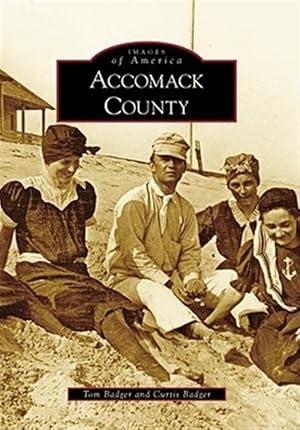
Paperback. Condizione: new. Paperback. Accomack County's history revolves around two elements: the land and the sea. The land is fertile, capable of producing great bounty, and Accomack is surrounded by the Chesapeake Bay and the Atlantic Ocean. So Accomack has enjoyed two advantages: an ability to produce food and the means of getting it to market. Public wharves were once located on many creeks where farmers would bring crops for market. Then, in 1884, the railroad came through. The railroad created new towns--Parksley, Onley, Keller, Tasley, and Painter--and it meant the demise of the numerous public wharves. Today most of these old gathering places exist only as names on a map and perhaps a collection of twisted pilings at the water's edge, the last tangible evidence of a time in our history long past. Accomack County's history revolves around two elements: the land and the sea. The land is fertile, capable of producing great bounty, and Accomack is surrounded by the Chesapeake Bay and the Atlantic Ocean. So Accomack has enjoyed two advantages: an ability to produce food and the means of getting it to market. Public wharves were once located on many creeks where farmers would bring crops for market. Then, in 1884, the railroad came through. The railroad created new towns—Parksley, Onley, Keller, Tasley, and Painter—and it meant the demise of the numerous public wharves. Today most of these old gathering places exist only as names on a map and perhaps a collection of twisted pilings at the water's edge, the last tangible evidence of a time in our history long past. Shipping may be from multiple locations in the US or from the UK, depending on stock availability.
-

Accomack County
Da: Rarewaves.com USA, London, LONDO, Regno Unito
Valutazione del venditore 5 su 5 stelle
EUR 29,58
Spedizione gratuita
Spedito da Regno Unito a U.S.A.Quantità: Più di 20 disponibili
Aggiungi al carrelloPaperback. Condizione: New.
-
Accomack County
Da: Kennys Bookshop and Art Galleries Ltd., Galway, GY, Irlanda
Valutazione del venditore 5 su 5 stelle
EUR 25,82
Spedizione EUR 10,50
Spedito da Irlanda a U.S.A.Quantità: Più di 20 disponibili
Aggiungi al carrelloCondizione: New. 2009. Paperback. . . . . .
-
EUR 30,66
Spedizione EUR 8,86
Spedito in U.S.A.Quantità: Più di 20 disponibili
Aggiungi al carrelloCondizione: New. 2009. Paperback. . . . . . Books ship from the US and Ireland.
-
EUR 39,38
Spedizione EUR 11,55
Spedito da Regno Unito a U.S.A.Quantità: 1 disponibili
Aggiungi al carrelloPaperback. Condizione: Brand New. 128 pages. 9.50x6.50x0.50 inches. In Stock.
-

Accomack County
Da: Rarewaves USA United, OSWEGO, IL, U.S.A.
Valutazione del venditore 5 su 5 stelle
EUR 30,48
Spedizione EUR 42,18
Spedito in U.S.A.Quantità: Più di 20 disponibili
Aggiungi al carrelloPaperback. Condizione: New.
-
Accomack County (Paperback)
Da: AussieBookSeller, Truganina, VIC, Australia
Valutazione del venditore 5 su 5 stelle
EUR 48,16
Spedizione EUR 31,21
Spedito da Australia a U.S.A.Quantità: 1 disponibili
Aggiungi al carrelloPaperback. Condizione: new. Paperback. Accomack County's history revolves around two elements: the land and the sea. The land is fertile, capable of producing great bounty, and Accomack is surrounded by the Chesapeake Bay and the Atlantic Ocean. So Accomack has enjoyed two advantages: an ability to produce food and the means of getting it to market. Public wharves were once located on many creeks where farmers would bring crops for market. Then, in 1884, the railroad came through. The railroad created new towns--Parksley, Onley, Keller, Tasley, and Painter--and it meant the demise of the numerous public wharves. Today most of these old gathering places exist only as names on a map and perhaps a collection of twisted pilings at the water's edge, the last tangible evidence of a time in our history long past. Accomack County's history revolves around two elements: the land and the sea. The land is fertile, capable of producing great bounty, and Accomack is surrounded by the Chesapeake Bay and the Atlantic Ocean. So Accomack has enjoyed two advantages: an ability to produce food and the means of getting it to market. Public wharves were once located on many creeks where farmers would bring crops for market. Then, in 1884, the railroad came through. The railroad created new towns—Parksley, Onley, Keller, Tasley, and Painter—and it meant the demise of the numerous public wharves. Today most of these old gathering places exist only as names on a map and perhaps a collection of twisted pilings at the water's edge, the last tangible evidence of a time in our history long past. Shipping may be from our Sydney, NSW warehouse or from our UK or US warehouse, depending on stock availability.
-

EUR 27,47
Spedizione EUR 48,99
Spedito da Germania a U.S.A.Quantità: Più di 20 disponibili
Aggiungi al carrelloCondizione: New. Über den AutorCoauthors Tom Badger and his father, Curtis Badger, are writers and photographers with deep roots in Accomack County. Tom has spent his formative years immersed in the culture of the area, and Curtis has written many b.
-

EUR 30,48
Spedizione EUR 75,09
Spedito da Regno Unito a U.S.A.Quantità: Più di 20 disponibili
Aggiungi al carrelloPaperback. Condizione: New.

