

Importo totale (1 articolo articoli):
Destinazione ordine:

9780745679570 - Figures of History di Ranciere, Jacques (22 risultati)
Vai alla pagina principale dei risultati di ricerca
Filtri di ricerca
Tipo di articolo
- Tutti i tipi di prodotto
- Libri (22)
- Riviste e Giornali (Nessun altro risultato corrispondente a questo perfezionamento)
- Fumetti (Nessun altro risultato corrispondente a questo perfezionamento)
- Spartiti (Nessun altro risultato corrispondente a questo perfezionamento)
- Arte, Stampe e Poster (Nessun altro risultato corrispondente a questo perfezionamento)
- Fotografie (Nessun altro risultato corrispondente a questo perfezionamento)
- Mappe (Nessun altro risultato corrispondente a questo perfezionamento)
- Manoscritti e Collezionismo cartaceo (Nessun altro risultato corrispondente a questo perfezionamento)
Condizioni Maggiori informazioni
- Nuovo (18)
- Come nuovo, Ottimo o Quasi ottimo (3)
- Molto buono o Buono (1)
- Discreto o Mediocre (Nessun altro risultato corrispondente a questo perfezionamento)
- Come descritto (Nessun altro risultato corrispondente a questo perfezionamento)
Legatura
- Tutte
- Rilegato (Nessun altro risultato corrispondente a questo perfezionamento)
- Brossura (22)
Ulteriori caratteristiche
- Prima ed. (4)
- Copia autograf. (Nessun altro risultato corrispondente a questo perfezionamento)
- Sovracoperta (Nessun altro risultato corrispondente a questo perfezionamento)
- Con foto (5)
- Non Print on Demand (20)
Lingua (1)
Prezzo
- Qualsiasi prezzo
- Inferiore a EUR 20
- EUR 20 a EUR 45
- Superiore a EUR 45 (Nessun altro risultato corrispondente a questo perfezionamento)
Spedizione gratuita
Paese del venditore
Valutazione venditore
-
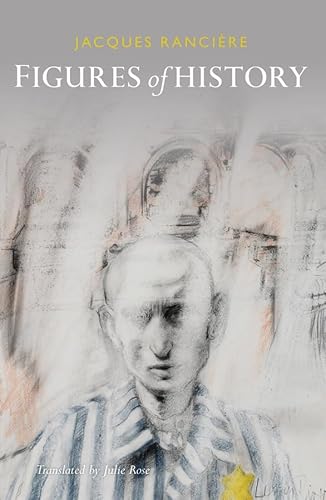
Figures of History
Da: Books From California, Simi Valley, CA, U.S.A.
Valutazione del venditore 4 su 5 stelle

Paperback. Condizione: Very Good.
-

Figures of History
Da: GreatBookPrices, Columbia, MD, U.S.A.
Valutazione del venditore 5 su 5 stelle

EUR 17,49
Spedizione EUR 2,29
Spedito in U.S.A.Quantità: Più di 20 disponibili
Aggiungi al carrelloCondizione: As New. Unread book in perfect condition.
-
Figures of History
Da: GreatBookPrices, Columbia, MD, U.S.A.
Valutazione del venditore 5 su 5 stelle
EUR 17,69
Spedizione EUR 2,29
Spedito in U.S.A.Quantità: Più di 20 disponibili
Aggiungi al carrelloCondizione: New.
-
EUR 20,06
Spedizione gratuita
Spedito in U.S.A.Quantità: Più di 20 disponibili
Aggiungi al carrelloCondizione: New.
-
Figures of History (Paperback)
Lingua: Inglese
Editore: John Wiley and Sons Ltd, Oxford, 2014
ISBN 10: 0745679579 ISBN 13: 9780745679570
Da: Grand Eagle Retail, Bensenville, IL, U.S.A.
Valutazione del venditore 5 su 5 stelle
Prima edizione
Paperback. Condizione: new. Paperback. In this important new book the leading philosopher Jacques Ranciere continues his reflections on the representative power of works of art. How does art render events that have spanned an era? What roles does it assign to those who enacted them or those who were the victims of such events? Ranciere considers these questions in relation to the works of Claude Lanzmann, Goya, Manet, Kandinsky and Barnett Newman, among others, and demonstrates that these issues are not only confined to the spectator but have greater ramifications for the history of art itself. For Ranciere, every image, in what it shows and what it hides, says something about what it is permissible to show and what must be hidden in any given place and time. Indeed the image, in its act of showing and hiding, can reopen debates that the official historical record had supposedly determined once and for all. He argues that representing the past can imprison history, but it can also liberate its true meaning. * Jacques Ranciere is a leading French philosopher, particularly well known for his work in aesthetics and political philosophy * In this concise and brilliant text, Ranciere presents a thoughtful analysis of the way in which artworks and films represent historical events and those who were involved. Shipping may be from multiple locations in the US or from the UK, depending on stock availability.
-
Figures of History
Da: PBShop.store UK, Fairford, GLOS, Regno Unito
Valutazione del venditore 5 su 5 stelle
EUR 20,40
Spedizione EUR 3,81
Spedito da Regno Unito a U.S.A.Quantità: 15 disponibili
Aggiungi al carrelloPAP. Condizione: New. New Book. Shipped from UK. Established seller since 2000.
-
Figures of History (eng)
Da: Brook Bookstore On Demand, Napoli, NA, Italia
Valutazione del venditore 3 su 5 stelle

EUR 21,24
Spedizione EUR 4,00
Spedito da Italia a U.S.A.Quantità: Più di 20 disponibili
Aggiungi al carrelloCondizione: new.
-
Figures of History
Da: Gastown Bookwurm, Vancouver, BC, Canada
Valutazione del venditore 4 su 5 stelle
EUR 9,60
Spedizione EUR 17,34
Spedito da Canada a U.S.A.Quantità: 1 disponibili
Aggiungi al carrelloSoft cover. Condizione: Near Fine. Soft cover. 2014. Near Fine copy with only the lightest of shelf & handling wear. Interior is bright & free of marks. Light shelf wear to covers. Appears virtually unread.
-
Figures of History
Da: Majestic Books, Hounslow, Regno Unito
Valutazione del venditore 4 su 5 stelle
EUR 23,30
Spedizione EUR 7,53
Spedito da Regno Unito a U.S.A.Quantità: 3 disponibili
Aggiungi al carrelloCondizione: New. pp. 112.
-
Figures of History
Da: THE SAINT BOOKSTORE, Southport, Regno Unito
Valutazione del venditore 5 su 5 stelle
EUR 19,79
Spedizione EUR 13,96
Spedito da Regno Unito a U.S.A.Quantità: Più di 20 disponibili
Aggiungi al carrelloPaperback / softback. Condizione: New. New copy - Usually dispatched within 4 working days.
-
Condizione: New. pp. 112.
-
EUR 33,38
Spedizione EUR 2,60
Spedito in U.S.A.Quantità: Più di 20 disponibili
Aggiungi al carrelloCondizione: New. Brand new! Please provide a physical shipping address.
-
Figures of History
Da: Ria Christie Collections, Uxbridge, Regno Unito
Valutazione del venditore 5 su 5 stelle
EUR 22,23
Spedizione EUR 13,89
Spedito da Regno Unito a U.S.A.Quantità: Più di 20 disponibili
Aggiungi al carrelloCondizione: New. In.
-
Figures of History
Da: Kennys Bookshop and Art Galleries Ltd., Galway, GY, Irlanda
Valutazione del venditore 5 su 5 stelle
Prima edizione
EUR 25,41
Spedizione EUR 10,50
Spedito da Irlanda a U.S.A.Quantità: 15 disponibili
Aggiungi al carrelloCondizione: New. * Jacques Ranciere is a leading French philosopher, particularly well known for his work in aesthetics and political philosophy * In this concise and brilliant text, Ranciere presents a thoughtful analysis of the way in which artworks and films represent historical events and those who were involved. Translator(s): Rose, Julie. Num Pages: 112 pages. BIC Classification: ABA; DSA; JF. Category: (P) Professional & Vocational. Dimension: 189 x 126 x 9. Weight in Grams: 126. . 2014. 1st Edition. Paperback. . . . .
-
Figures of History
Da: GreatBookPricesUK, Woodford Green, Regno Unito
Valutazione del venditore 5 su 5 stelle
EUR 19,78
Spedizione EUR 17,39
Spedito da Regno Unito a U.S.A.Quantità: Più di 20 disponibili
Aggiungi al carrelloCondizione: New.
-
Figures of History
Da: GreatBookPricesUK, Woodford Green, Regno Unito
Valutazione del venditore 5 su 5 stelle
EUR 21,45
Spedizione EUR 17,39
Spedito da Regno Unito a U.S.A.Quantità: Più di 20 disponibili
Aggiungi al carrelloCondizione: As New. Unread book in perfect condition.
-
Condizione: New. * Jacques Ranciere is a leading French philosopher, particularly well known for his work in aesthetics and political philosophy * In this concise and brilliant text, Ranciere presents a thoughtful analysis of the way in which artworks and films represent historical events and those who were involved. Translator(s): Rose, Julie. Num Pages: 112 pages. BIC Classification: ABA; DSA; JF. Category: (P) Professional & Vocational. Dimension: 189 x 126 x 9. Weight in Grams: 126. . 2014. 1st Edition. Paperback. . . . . Books ship from the US and Ireland.
-
Figures of History (Paperback)
Lingua: Inglese
Editore: John Wiley and Sons Ltd, Oxford, 2014
ISBN 10: 0745679579 ISBN 13: 9780745679570
Da: AussieBookSeller, Truganina, VIC, Australia
Valutazione del venditore 5 su 5 stelle
Prima edizione
EUR 39,64
Spedizione EUR 32,08
Spedito da Australia a U.S.A.Quantità: 1 disponibili
Aggiungi al carrelloPaperback. Condizione: new. Paperback. In this important new book the leading philosopher Jacques Ranciere continues his reflections on the representative power of works of art. How does art render events that have spanned an era? What roles does it assign to those who enacted them or those who were the victims of such events? Ranciere considers these questions in relation to the works of Claude Lanzmann, Goya, Manet, Kandinsky and Barnett Newman, among others, and demonstrates that these issues are not only confined to the spectator but have greater ramifications for the history of art itself. For Ranciere, every image, in what it shows and what it hides, says something about what it is permissible to show and what must be hidden in any given place and time. Indeed the image, in its act of showing and hiding, can reopen debates that the official historical record had supposedly determined once and for all. He argues that representing the past can imprison history, but it can also liberate its true meaning. * Jacques Ranciere is a leading French philosopher, particularly well known for his work in aesthetics and political philosophy * In this concise and brilliant text, Ranciere presents a thoughtful analysis of the way in which artworks and films represent historical events and those who were involved. Shipping may be from our Sydney, NSW warehouse or from our UK or US warehouse, depending on stock availability.
-

EUR 29,21
Spedizione EUR 48,99
Spedito da Germania a U.S.A.Quantità: Più di 20 disponibili
Aggiungi al carrelloCondizione: New.
-

EUR 34,78
Spedizione EUR 60,68
Spedito da Germania a U.S.A.Quantità: 2 disponibili
Aggiungi al carrelloTaschenbuch. Condizione: Neu. Neuware - In this important new book the leading philosopher Jacques Rancière continues his reflections on the representative power of works of art. How does art render events that have spanned an era What roles does it assign to those who enacted them or those who were the victims of such events Rancière considers these questions in relation to the works of Claude Lanzmann, Goya, Manet, Kandinsky and Barnett Newman, among others, and demonstrates that these issues are not only confined to the spectator but have greater ramifications for the history of art itself.For Rancière, every image, in what it shows and what it hides, says something about what it is permissible to show and what must be hidden in any given place and time. Indeed the image, in its act of showing and hiding, can reopen debates that the official historical record had supposedly determined once and for all. He argues that representing the past can imprison history, but it can also liberate its true meaning.
-
Figures of History
Da: Revaluation Books, Exeter, Regno Unito
Valutazione del venditore 5 su 5 stelle
EUR 21,26
Spedizione EUR 11,59
Spedito da Regno Unito a U.S.A.Quantità: 2 disponibili
Aggiungi al carrelloPaperback. Condizione: Brand New. translation edition. 97 pages. 6.00x4.00x0.25 inches. In Stock. This item is printed on demand.
-

Figures of History (Paperback)
Lingua: Inglese
Editore: John Wiley and Sons Ltd, Oxford, 2014
ISBN 10: 0745679579 ISBN 13: 9780745679570
Da: CitiRetail, Stevenage, Regno Unito
Valutazione del venditore 5 su 5 stelle
Prima edizione Print on Demand
EUR 27,45
Spedizione EUR 42,89
Spedito da Regno Unito a U.S.A.Quantità: 1 disponibili
Aggiungi al carrelloPaperback. Condizione: new. Paperback. In this important new book the leading philosopher Jacques Ranciere continues his reflections on the representative power of works of art. How does art render events that have spanned an era? What roles does it assign to those who enacted them or those who were the victims of such events? Ranciere considers these questions in relation to the works of Claude Lanzmann, Goya, Manet, Kandinsky and Barnett Newman, among others, and demonstrates that these issues are not only confined to the spectator but have greater ramifications for the history of art itself. For Ranciere, every image, in what it shows and what it hides, says something about what it is permissible to show and what must be hidden in any given place and time. Indeed the image, in its act of showing and hiding, can reopen debates that the official historical record had supposedly determined once and for all. He argues that representing the past can imprison history, but it can also liberate its true meaning. * Jacques Ranciere is a leading French philosopher, particularly well known for his work in aesthetics and political philosophy * In this concise and brilliant text, Ranciere presents a thoughtful analysis of the way in which artworks and films represent historical events and those who were involved. This item is printed on demand. Shipping may be from our UK warehouse or from our Australian or US warehouses, depending on stock availability.


