

Importo totale (1 articolo articoli):
Destinazione ordine:

9780896030015 - Air and Noise Pollution Control: Volume 1 (6 risultati)
Vai alla pagina principale dei risultati di ricerca
Filtri di ricerca
Tipo di articolo
- Tutti i tipi di prodotto
- Libri (6)
- Riviste e Giornali (Nessun altro risultato corrispondente a questo perfezionamento)
- Fumetti (Nessun altro risultato corrispondente a questo perfezionamento)
- Spartiti (Nessun altro risultato corrispondente a questo perfezionamento)
- Arte, Stampe e Poster (Nessun altro risultato corrispondente a questo perfezionamento)
- Fotografie (Nessun altro risultato corrispondente a questo perfezionamento)
- Mappe (Nessun altro risultato corrispondente a questo perfezionamento)
- Manoscritti e Collezionismo cartaceo (Nessun altro risultato corrispondente a questo perfezionamento)
Condizioni Maggiori informazioni
- Nuovo (5)
- Come nuovo, Ottimo o Quasi ottimo (Nessun altro risultato corrispondente a questo perfezionamento)
- Molto buono o Buono (1)
- Discreto o Mediocre (Nessun altro risultato corrispondente a questo perfezionamento)
- Come descritto (Nessun altro risultato corrispondente a questo perfezionamento)
Legatura
- Tutte
- Rilegato (6)
- Brossura (Nessun altro risultato corrispondente a questo perfezionamento)
Ulteriori caratteristiche
- Prima ed. (Nessun altro risultato corrispondente a questo perfezionamento)
- Copia autograf. (Nessun altro risultato corrispondente a questo perfezionamento)
- Sovracoperta (Nessun altro risultato corrispondente a questo perfezionamento)
- Con foto (2)
- Non Print on Demand (6)
Lingua (1)
Prezzo
- Qualsiasi prezzo
- Inferiore a EUR 20 (Nessun altro risultato corrispondente a questo perfezionamento)
- EUR 20 a EUR 45 (Nessun altro risultato corrispondente a questo perfezionamento)
- Superiore a EUR 45
Spedizione gratuita
Paese del venditore
Valutazione venditore
-
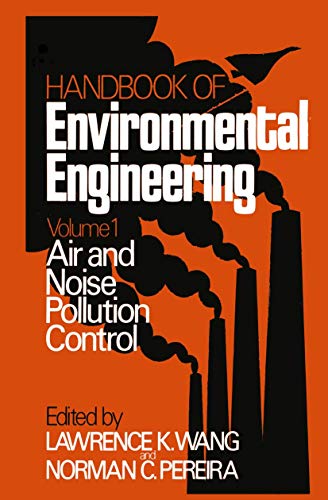
Air and Noise Pollution Control: Volume 1
Da: ThriftBooks-Atlanta, AUSTELL, GA, U.S.A.
Valutazione del venditore 5 su 5 stelle

Hardcover. Condizione: Good. No Jacket. Missing dust jacket; Pages can have notes/highlighting. Spine may show signs of wear. ~ ThriftBooks: Read More, Spend Less.
-
Air and Noise Pollution Control: Volume 1 (Handbook of Environmental Engineering, 1)
Da: Ria Christie Collections, Uxbridge, Regno Unito
Valutazione del venditore 5 su 5 stelle
EUR 160,37
Spedizione EUR 13,89
Spedito da Regno Unito a U.S.A.Quantità: Più di 20 disponibili
Aggiungi al carrelloCondizione: New. In.
-
Air and Noise Pollution Control: Volume 1
Da: Kennys Bookshop and Art Galleries Ltd., Galway, GY, Irlanda
Valutazione del venditore 5 su 5 stelle
EUR 206,93
Spedizione EUR 10,50
Spedito da Irlanda a U.S.A.Quantità: 15 disponibili
Aggiungi al carrelloCondizione: New. Editor(s): Wang, K.; Pereira, Norman C. Series: Handbook of Environmental Engineering, 1. Num Pages: 484 pages, biography. BIC Classification: TN; TQ. Category: (P) Professional & Vocational; (UP) Postgraduate, Research & Scholarly; (UU) Undergraduate. Dimension: 239 x 164 x 33. Weight in Grams: 888. . 1979. 1979th Edition. hardcover. . . . .
-

EUR 178,35
Spedizione EUR 48,99
Spedito da Germania a U.S.A.Quantità: Più di 20 disponibili
Aggiungi al carrelloGebunden. Condizione: New. The past few years have seen the emergence of a growing, widespread desire in this country, and indeed everywhere, that positive actions be taken to restore the quality of our environment, and to protect it from the degrading effects of all forms of polluti.
-
Air and Noise Pollution Control: Volume 1
Da: Kennys Bookstore, Olney, MD, U.S.A.
Valutazione del venditore 5 su 5 stelle
Condizione: New. Editor(s): Wang, K.; Pereira, Norman C. Series: Handbook of Environmental Engineering, 1. Num Pages: 484 pages, biography. BIC Classification: TN; TQ. Category: (P) Professional & Vocational; (UP) Postgraduate, Research & Scholarly; (UU) Undergraduate. Dimension: 239 x 164 x 33. Weight in Grams: 888. . 1979. 1979th Edition. hardcover. . . . . Books ship from the US and Ireland.
-

EUR 221,98
Spedizione EUR 65,65
Spedito da Germania a U.S.A.Quantità: 2 disponibili
Aggiungi al carrelloBuch. Condizione: Neu. Neuware - The past few years have seen the emergence of a growing, widespread desire in this country, and indeed everywhere, that positive actions be taken to restore the quality of our environment, and to protect it from the degrading effects of all forms of pollution-air, noise, solid waste, and water. Since pollution is a direct or' indirect consequence of waste, if there is no waste, there can be no pollution, and the seemingly idealistic demand for' zero discharge' can be construed as a demand for zero waste. However, as long as there is waste, we can only attempt to abate the consequent pollution by converting it to a less noxious form. In those instances in which a particular type of pollution has been recognized, three major questions usually arise: 1, How serious is the pollution 2, Is the technology to abate it available and 3, Do the costs of abatement justify the degree of abatement achieved The principal intention of this series of books is to help the reader to formulate answers to the last two of the above three questions. The traditional approach of applying tried-and-true solutions to specific pollution problems has been a major factor contributing to the success of environmental engineering, and in large measure has accounted for the establishing of a 'methodology of pollution control.

