

Importo totale (1 articolo articoli):
Destinazione ordine:

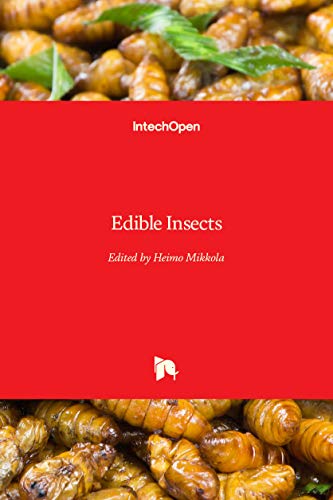
9781789856354 - Edible Insects di Heimo Mikkola (editor) (14 risultati)
Vai alla pagina principale dei risultati di ricerca
Filtri di ricerca
Tipo di articolo
- Tutti i tipi di prodotto
- Libri (14)
- Riviste e Giornali (Nessun altro risultato corrispondente a questo perfezionamento)
- Fumetti (Nessun altro risultato corrispondente a questo perfezionamento)
- Spartiti (Nessun altro risultato corrispondente a questo perfezionamento)
- Arte, Stampe e Poster (Nessun altro risultato corrispondente a questo perfezionamento)
- Fotografie (Nessun altro risultato corrispondente a questo perfezionamento)
- Mappe (Nessun altro risultato corrispondente a questo perfezionamento)
- Manoscritti e Collezionismo cartaceo (Nessun altro risultato corrispondente a questo perfezionamento)
Condizioni Maggiori informazioni
- Nuovo (12)
- Come nuovo, Ottimo o Quasi ottimo (2)
- Molto buono o Buono (Nessun altro risultato corrispondente a questo perfezionamento)
- Discreto o Mediocre (Nessun altro risultato corrispondente a questo perfezionamento)
- Come descritto (Nessun altro risultato corrispondente a questo perfezionamento)
Legatura
- Tutte
- Rilegato (14)
- Brossura (Nessun altro risultato corrispondente a questo perfezionamento)
Ulteriori caratteristiche
- Prima ed. (Nessun altro risultato corrispondente a questo perfezionamento)
- Copia autograf. (Nessun altro risultato corrispondente a questo perfezionamento)
- Sovracoperta (Nessun altro risultato corrispondente a questo perfezionamento)
- Con foto (5)
- Non Print on Demand (7)
Lingua (1)
Prezzo
- Qualsiasi prezzo
- Inferiore a EUR 20 (Nessun altro risultato corrispondente a questo perfezionamento)
- EUR 20 a EUR 40 (Nessun altro risultato corrispondente a questo perfezionamento)
- Superiore a EUR 40
Spedizione gratuita
Paese del venditore
Valutazione venditore
-
EUR 110,53
Spedizione EUR 2,24
Spedito in U.S.A.Quantità: Più di 20 disponibili
Aggiungi al carrelloCondizione: New.
-
EUR 112,85
Spedizione gratuita
Spedito in U.S.A.Quantità: Più di 20 disponibili
Aggiungi al carrelloCondizione: New.
-
EUR 116,82
Spedizione EUR 2,24
Spedito in U.S.A.Quantità: Più di 20 disponibili
Aggiungi al carrelloCondizione: As New. Unread book in perfect condition.
-
Edible Insects
Da: Ria Christie Collections, Uxbridge, Regno Unito
Valutazione del venditore 5 su 5 stelle

EUR 108,77
Spedizione EUR 13,73
Spedito da Regno Unito a U.S.A.Quantità: Più di 20 disponibili
Aggiungi al carrelloCondizione: New. In.
-
Edible Insects
Da: GreatBookPricesUK, Woodford Green, Regno Unito
Valutazione del venditore 5 su 5 stelle
EUR 108,75
Spedizione EUR 17,19
Spedito da Regno Unito a U.S.A.Quantità: Più di 20 disponibili
Aggiungi al carrelloCondizione: New.
-
Edible Insects
Da: GreatBookPricesUK, Woodford Green, Regno Unito
Valutazione del venditore 5 su 5 stelle
EUR 122,36
Spedizione EUR 17,19
Spedito da Regno Unito a U.S.A.Quantità: Più di 20 disponibili
Aggiungi al carrelloCondizione: As New. Unread book in perfect condition.
-

Edible Insects
Da: buchversandmimpf2000, Emtmannsberg, BAYE, Germania
Valutazione del venditore 5 su 5 stelle
EUR 109,00
Spedizione EUR 60,00
Spedito da Germania a U.S.A.Quantità: 2 disponibili
Aggiungi al carrelloBuch. Condizione: Neu. Neuware -Insect protein production through ¿mini-livestock farming¿ has enormous potential to reduce the level of malnutrition in critical areas across the world. It has been estimated that insect eating is practised regularly by over two billion people, mostly in China and in most tropical countries in Africa, South America, and Asia. However, eating insects has been taboo in many western nations. Reasons for this are discussed in this book with examples from Finland and the UK. The enormous boom of insect farming in Finland started in September 2017 when the business type was legalized. However, a large part of the population found the insect food too expensive and exotic. UK research outlines a multitude of promising strategies to overcome ¿western¿ resistance to eating insects. This book also includes a chapter on the potential of insect farming to increase global food security. It shows that Africa is a hotspot of edible insect biodiversity and there more than 500 species consumed daily. We have several examples of viable insect farming businesses that can fight poverty and malnutrition in developing countries and provide profit and wealth to rural farmers. The chapters of the book cover countries such as Cameroon, Ecuador, Finland, Ghana, India, Mexico, the UK, and the US.Books on Demand GmbH, Überseering 33, 22297 Hamburg 98 pp. Englisch.
-
Edible Insects
Da: PBShop.store UK, Fairford, GLOS, Regno Unito
Valutazione del venditore 4 su 5 stelle

EUR 112,27
Spedizione EUR 6,73
Spedito da Regno Unito a U.S.A.Quantità: Più di 20 disponibili
Aggiungi al carrelloHRD. Condizione: New. New Book. Delivered from our UK warehouse in 4 to 14 business days. THIS BOOK IS PRINTED ON DEMAND. Established seller since 2000.
-
Edible Insects
Da: PBShop.store US, Wood Dale, IL, U.S.A.
Valutazione del venditore 5 su 5 stelle
EUR 119,79
Spedizione gratuita
Spedito in U.S.A.Quantità: Più di 20 disponibili
Aggiungi al carrelloHRD. Condizione: New. New Book. Shipped from UK. THIS BOOK IS PRINTED ON DEMAND. Established seller since 2000.
-

Edible Insects
Da: BuchWeltWeit Ludwig Meier e.K., Bergisch Gladbach, Germania
Valutazione del venditore 5 su 5 stelle
EUR 109,00
Spedizione EUR 23,00
Spedito da Germania a U.S.A.Quantità: 2 disponibili
Aggiungi al carrelloBuch. Condizione: Neu. This item is printed on demand - it takes 3-4 days longer - Neuware -Insect protein production through ¿mini-livestock farming¿ has enormous potential to reduce the level of malnutrition in critical areas across the world. It has been estimated that insect eating is practised regularly by over two billion people, mostly in China and in most tropical countries in Africa, South America, and Asia. However, eating insects has been taboo in many western nations. Reasons for this are discussed in this book with examples from Finland and the UK. The enormous boom of insect farming in Finland started in September 2017 when the business type was legalized. However, a large part of the population found the insect food too expensive and exotic. UK research outlines a multitude of promising strategies to overcome ¿western¿ resistance to eating insects. This book also includes a chapter on the potential of insect farming to increase global food security. It shows that Africa is a hotspot of edible insect biodiversity and there more than 500 species consumed daily. We have several examples of viable insect farming businesses that can fight poverty and malnutrition in developing countries and provide profit and wealth to rural farmers. The chapters of the book cover countries such as Cameroon, Ecuador, Finland, Ghana, India, Mexico, the UK, and the US. 98 pp. Englisch.
-

EUR 85,81
Spedizione EUR 48,99
Spedito da Germania a U.S.A.Quantità: Più di 20 disponibili
Aggiungi al carrelloGebunden. Condizione: New. Dieser Artikel ist ein Print on Demand Artikel und wird nach Ihrer Bestellung fuer Sie gedruckt. KlappentextrnrnInsect protein production through mini-livestock farming has enormous potential to reduce the level of malnutrition in critical areas across the world. It has been estimated that insect eating is practised regularly by over two .
-
Edible Insects
Da: THE SAINT BOOKSTORE, Southport, Regno Unito
Valutazione del venditore 5 su 5 stelle
EUR 131,86
Spedizione EUR 18,35
Spedito da Regno Unito a U.S.A.Quantità: Più di 20 disponibili
Aggiungi al carrelloHardback. Condizione: New. This item is printed on demand. New copy - Usually dispatched within 5-9 working days.
-

EUR 89,00
Spedizione EUR 70,00
Spedito da Germania a U.S.A.Quantità: 5 disponibili
Aggiungi al carrelloBuch. Condizione: Neu. Edible Insects | Heimo Mikkola | Buch | Gebunden | Englisch | 2020 | IntechOpen | EAN 9781789856354 | Verantwortliche Person für die EU: preigu GmbH & Co. KG, Lengericher Landstr. 19, 49078 Osnabrück, mail[at]preigu[dot]de | Anbieter: preigu Print on Demand.
-

EUR 110,31
Spedizione EUR 62,18
Spedito da Germania a U.S.A.Quantità: 1 disponibili
Aggiungi al carrelloBuch. Condizione: Neu. nach der Bestellung gedruckt Neuware - Printed after ordering - Insect protein production through ¿mini-livestock farming¿ has enormous potential to reduce the level of malnutrition in critical areas across the world. It has been estimated that insect eating is practised regularly by over two billion people, mostly in China and in most tropical countries in Africa, South America, and Asia. However, eating insects has been taboo in many western nations. Reasons for this are discussed in this book with examples from Finland and the UK. The enormous boom of insect farming in Finland started in September 2017 when the business type was legalized. However, a large part of the population found the insect food too expensive and exotic. UK research outlines a multitude of promising strategies to overcome ¿western¿ resistance to eating insects. This book also includes a chapter on the potential of insect farming to increase global food security. It shows that Africa is a hotspot of edible insect biodiversity and there more than 500 species consumed daily. We have several examples of viable insect farming businesses that can fight poverty and malnutrition in developing countries and provide profit and wealth to rural farmers. The chapters of the book cover countries such as Cameroon, Ecuador, Finland, Ghana, India, Mexico, the UK, and the US.

