

Importo totale (1 articolo articoli):
Destinazione ordine:

9781847063403 - Is Faith Delusion?: Why Religion is Good For Your Health di Sims, Andrew (24 risultati)
Vai alla pagina principale dei risultati di ricerca
Filtri di ricerca
Tipo di articolo
- Tutti i tipi di prodotto
- Libri (24)
- Riviste e Giornali (Nessun altro risultato corrispondente a questo perfezionamento)
- Fumetti (Nessun altro risultato corrispondente a questo perfezionamento)
- Spartiti (Nessun altro risultato corrispondente a questo perfezionamento)
- Arte, Stampe e Poster (Nessun altro risultato corrispondente a questo perfezionamento)
- Fotografie (Nessun altro risultato corrispondente a questo perfezionamento)
- Mappe (Nessun altro risultato corrispondente a questo perfezionamento)
- Manoscritti e Collezionismo cartaceo (Nessun altro risultato corrispondente a questo perfezionamento)
Condizioni Maggiori informazioni
- Nuovo (19)
- Come nuovo, Ottimo o Quasi ottimo (2)
- Molto buono o Buono (3)
- Discreto o Mediocre (Nessun altro risultato corrispondente a questo perfezionamento)
- Come descritto (Nessun altro risultato corrispondente a questo perfezionamento)
Legatura
- Tutte
- Rilegato (Nessun altro risultato corrispondente a questo perfezionamento)
- Brossura (24)
Ulteriori caratteristiche
- Prima ed. (Nessun altro risultato corrispondente a questo perfezionamento)
- Copia autograf. (Nessun altro risultato corrispondente a questo perfezionamento)
- Sovracoperta (Nessun altro risultato corrispondente a questo perfezionamento)
- Con foto (10)
- Non Print on Demand (19)
Lingua (1)
Spedizione gratuita
Paese del venditore
Valutazione venditore
-
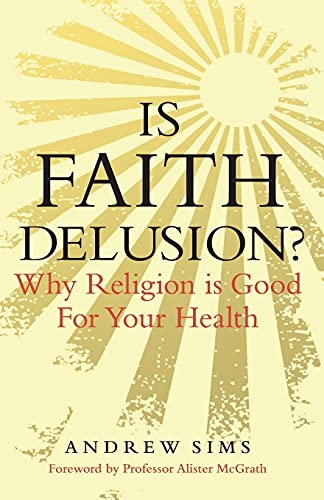
Is Faith Delusion?
Da: ThriftBooks-Dallas, Dallas, TX, U.S.A.
Valutazione del venditore 5 su 5 stelle

Paperback. Condizione: Good. No Jacket. Pages can have notes/highlighting. Spine may show signs of wear. ~ ThriftBooks: Read More, Spend Less.
-
Is Faith Delusion?: Why Religion is Good For Your Health
Da: WorldofBooks, Goring-By-Sea, WS, Regno Unito
Valutazione del venditore 5 su 5 stelle
EUR 13,63
Spedizione EUR 6,49
Spedito da Regno Unito a U.S.A.Quantità: 4 disponibili
Aggiungi al carrelloPaperback. Condizione: Very Good. The book has been read, but is in excellent condition. Pages are intact and not marred by notes or highlighting. The spine remains undamaged.
-

Is Faith Delusion? : Why Religion Is Good for Your Health
Da: GreatBookPrices, Columbia, MD, U.S.A.
Valutazione del venditore 5 su 5 stelle
EUR 22,27
Spedizione EUR 2,31
Spedito in U.S.A.Quantità: Più di 20 disponibili
Aggiungi al carrelloCondizione: New.
-
Is Faith Delusion? (Paperback or Softback)
Lingua: Inglese
Editore: Bloomsbury Publishing PLC 3/9/2009, 2009
ISBN 10: 1847063403 ISBN 13: 9781847063403
Da: BargainBookStores, Grand Rapids, MI, U.S.A.
Valutazione del venditore 5 su 5 stelle
Paperback or Softback. Condizione: New. Is Faith Delusion? Book.
-
Is Faith Delusion?: Why religion is good for your health
Da: California Books, Miami, FL, U.S.A.
Valutazione del venditore 4 su 5 stelle

EUR 26,14
Spedizione gratuita
Spedito in U.S.A.Quantità: Più di 20 disponibili
Aggiungi al carrelloCondizione: New.
-

Is Faith Delusion? : Why Religion Is Good for Your Health
Da: GreatBookPrices, Columbia, MD, U.S.A.
Valutazione del venditore 5 su 5 stelle
EUR 24,33
Spedizione EUR 2,31
Spedito in U.S.A.Quantità: Più di 20 disponibili
Aggiungi al carrelloCondizione: As New. Unread book in perfect condition.
-

Is Faith Delusion?
Lingua: Inglese
Editore: Bloomsbury Publishing PLC, GB, 2009
ISBN 10: 1847063403 ISBN 13: 9781847063403
Da: Rarewaves.com USA, London, LONDO, Regno Unito
Valutazione del venditore 5 su 5 stelle
EUR 29,69
Spedizione gratuita
Spedito da Regno Unito a U.S.A.Quantità: Più di 20 disponibili
Aggiungi al carrelloPaperback. Condizione: New. How, in a scientifically and technologically advanced age, can people still believe in God? Andrew Sims examines the connection and the division between Christian faith and psychiatry and shows that, shockingly, religious belief is good for mental and physical health.Is faith delusion? Is religion bad for your health? How, in a scientifically and technologically advanced age, can people still believe in God/spirit/'other'? Clearly not all believers are primitive and ill-educated; an alternative explanation is that they must be mad, or at least severely neurotic (as suggested by Freud).This book examines and explains the connection and the division between Christian faith and psychiatry. It asks whether science challenges Christians involved with psychiatry, as patients or professionals, and whether the spiritual needs of patients are recognised. The author examines the scope and use of the neurosciences and considers cause and effect, natural selection and determinism.He explores the overlap (and the difference) between psychiatric symptoms and religious belief, the possible association between demon possession and mental illness, and the idea that some people are intrinsically religious and some are not. The variations of personality are examined, with their implications for belief. Although the book is technically proficient, it is aimed at the general reader and is illustrated with stories, brief case histories and anecdotes.
-
Is Faith Delusion?: Why Religion is Good For Your Health
Da: Brit Books, Milton Keynes, Regno Unito
Valutazione del venditore 4 su 5 stelle
EUR 13,48
Spedizione EUR 18,54
Spedito da Regno Unito a U.S.A.Quantità: 1 disponibili
Aggiungi al carrelloPaperback. Condizione: Used; Good. ***Simply Brit*** Welcome to our online used book store, where affordability meets great quality. Dive into a world of captivating reads without breaking the bank. We take pride in offering a wide selection of used books, from classics to hidden gems, ensuring there is something for every literary palate. All orders are shipped within 24 hours and our lightning fast-delivery within 48 hours coupled with our prompt customer service ensures a smooth journey from ordering to delivery. Discover the joy of reading with us, your trusted source for affordable books that do not compromise on quality.
-
Is Faith Delusion?
Da: Chiron Media, Wallingford, Regno Unito
Valutazione del venditore 5 su 5 stelle
EUR 24,36
Spedizione EUR 17,96
Spedito da Regno Unito a U.S.A.Quantità: 10 disponibili
Aggiungi al carrelloPF. Condizione: New.
-
Is Faith Delusion?: Why religion is good for your health
Da: Ria Christie Collections, Uxbridge, Regno Unito
Valutazione del venditore 5 su 5 stelle
EUR 28,87
Spedizione EUR 13,89
Spedito da Regno Unito a U.S.A.Quantità: Più di 20 disponibili
Aggiungi al carrelloCondizione: New. In English.
-
Is Faith Delusion?: Why Religion Is Good for Your Health
Da: Revaluation Books, Exeter, Regno Unito
Valutazione del venditore 5 su 5 stelle
EUR 32,52
Spedizione EUR 11,59
Spedito da Regno Unito a U.S.A.Quantità: 2 disponibili
Aggiungi al carrelloPaperback. Condizione: Brand New. 1st edition. 252 pages. 8.35x5.35x0.87 inches. In Stock.
-
Is Faith Delusion?: Why Religion is Good For Your Health
Da: Kennys Bookshop and Art Galleries Ltd., Galway, GY, Irlanda
Valutazione del venditore 5 su 5 stelle
EUR 32,76
Spedizione EUR 10,50
Spedito da Irlanda a U.S.A.Quantità: Più di 20 disponibili
Aggiungi al carrelloCondizione: New. How, in a scientifically and technologically advanced age, can people still believe in God? This book examines the connection and the division between Christian faith and psychiatry and shows that, shockingly, religious belief is good for mental and physical health. Num Pages: 240 pages, black & white illustrations. BIC Classification: HRAM3; HRCS. Category: (G) General (US: Trade); (P) Professional & Vocational. Dimension: 217 x 137 x 19. Weight in Grams: 332. . 2011. paperback. . . . .
-

Is Faith Delusion? : Why Religion Is Good for Your Health
Da: GreatBookPricesUK, Woodford Green, Regno Unito
Valutazione del venditore 5 su 5 stelle
EUR 26,73
Spedizione EUR 17,39
Spedito da Regno Unito a U.S.A.Quantità: Più di 20 disponibili
Aggiungi al carrelloCondizione: New.
-

Is Faith Delusion? : Why Religion Is Good for Your Health
Da: GreatBookPricesUK, Woodford Green, Regno Unito
Valutazione del venditore 5 su 5 stelle
EUR 30,79
Spedizione EUR 17,39
Spedito da Regno Unito a U.S.A.Quantità: Più di 20 disponibili
Aggiungi al carrelloCondizione: As New. Unread book in perfect condition.
-
Is Faith Delusion?: Why Religion is Good For Your Health
Da: Kennys Bookstore, Olney, MD, U.S.A.
Valutazione del venditore 5 su 5 stelle
EUR 41,03
Spedizione EUR 9,19
Spedito in U.S.A.Quantità: Più di 20 disponibili
Aggiungi al carrelloCondizione: New. How, in a scientifically and technologically advanced age, can people still believe in God? This book examines the connection and the division between Christian faith and psychiatry and shows that, shockingly, religious belief is good for mental and physical health. Num Pages: 240 pages, black & white illustrations. BIC Classification: HRAM3; HRCS. Category: (G) General (US: Trade); (P) Professional & Vocational. Dimension: 217 x 137 x 19. Weight in Grams: 332. . 2011. paperback. . . . . Books ship from the US and Ireland.
-
Is Faith Delusion?: Why religion is good for your health
Da: BennettBooksLtd, Los Angeles, CA, U.S.A.
Valutazione del venditore 5 su 5 stelle
paperback. Condizione: New. In shrink wrap. Looks like an interesting title!
-

EUR 34,41
Spedizione EUR 48,99
Spedito da Germania a U.S.A.Quantità: Più di 20 disponibili
Aggiungi al carrelloCondizione: New. How, in a scientifically and technologically advanced age, can people still believe in God? This book examines the connection and the division between Christian faith and psychiatry and shows that, shockingly, religious belief is good for mental and physica.
-

Is Faith Delusion?
Lingua: Inglese
Editore: Bloomsbury Publishing PLC, GB, 2009
ISBN 10: 1847063403 ISBN 13: 9781847063403
Da: Rarewaves.com UK, London, Regno Unito
Valutazione del venditore 5 su 5 stelle
EUR 26,75
Spedizione EUR 75,35
Spedito da Regno Unito a U.S.A.Quantità: Più di 20 disponibili
Aggiungi al carrelloPaperback. Condizione: New. How, in a scientifically and technologically advanced age, can people still believe in God? Andrew Sims examines the connection and the division between Christian faith and psychiatry and shows that, shockingly, religious belief is good for mental and physical health.Is faith delusion? Is religion bad for your health? How, in a scientifically and technologically advanced age, can people still believe in God/spirit/'other'? Clearly not all believers are primitive and ill-educated; an alternative explanation is that they must be mad, or at least severely neurotic (as suggested by Freud).This book examines and explains the connection and the division between Christian faith and psychiatry. It asks whether science challenges Christians involved with psychiatry, as patients or professionals, and whether the spiritual needs of patients are recognised. The author examines the scope and use of the neurosciences and considers cause and effect, natural selection and determinism.He explores the overlap (and the difference) between psychiatric symptoms and religious belief, the possible association between demon possession and mental illness, and the idea that some people are intrinsically religious and some are not. The variations of personality are examined, with their implications for belief. Although the book is technically proficient, it is aimed at the general reader and is illustrated with stories, brief case histories and anecdotes.
-

Is Faith Delusion?
Lingua: Inglese
Editore: Bloomsbury Publishing PLC Mai 2009, 2009
ISBN 10: 1847063403 ISBN 13: 9781847063403
EUR 41,18
Spedizione EUR 61,65
Spedito da Germania a U.S.A.Quantità: 2 disponibili
Aggiungi al carrelloTaschenbuch. Condizione: Neu. Neuware - Is faith delusion Is religion bad for your health How, in a scientifically and technologically advanced age, can people still believe in God/spirit/'other' Clearly not all believers are primitive and ill-educated; an alternative explanation is that they must be mad, or at least severely neurotic (as suggested by Freud). This bookstarts by lookingat, and giving reasons for, the connection and the division between Christian faith and psychiatry.It asks whetherscience challenges Christians involved with psychiatry, as patients or professionals, and whether the spiritual needs of patients are recognised.The authorexamines the scope and use of the neuro-sciences and considers cause and effect, natural selection and determinism.He exploresthe overlap (and the difference)between psychiatric symptoms and religious belief, the possible association between demon possession and mental illness, and the idea that some people are intrinsically religious and some are not. The variations of personalityare examined, with their implications for belief. Posited as a statement, that faith is delusion is always hostile, but outcome studies (reviewed here) show that in general religious belief and practice convey good mental health. Religious faith and mental illness are different, and their concepts come from different world-views. A consideration of them in relation to each other is long overdue.The author is a former Professor of Psychiatry and President of the Royal College of Psychiatrists, and has also been Chairman of their Spirituality and Psychiatry Special Interest Group, so is exceptionally well qualified to address the subject. Although the book is technically proficient, it is aimed at the general reader and is illustrated with stories, brief case histories and anecdotes.
-

Is Faith Delusion? (Paperback)
Lingua: Inglese
Editore: Bloomsbury Publishing PLC, London, 2009
ISBN 10: 1847063403 ISBN 13: 9781847063403
Da: Grand Eagle Retail, Bensenville, IL, U.S.A.
Valutazione del venditore 5 su 5 stelle
Paperback. Condizione: new. Paperback. Is faith delusion? Is religion bad for your health? How, in a scientifically and technologically advanced age, can people still believe in God/spirit/'other'? Clearly not all believers are primitive and ill-educated; an alternative explanation is that they must be mad, or at least severely neurotic (as suggested by Freud). This book starts by looking at, and giving reasons for, the connection and the division between Christian faith and psychiatry. It asks whether science challenges Christians involved with psychiatry, as patients or professionals, and whether the spiritual needs of patients are recognised. The author examines the scope and use of the neuro-sciences and considers cause and effect, natural selection and determinism. He explores the overlap (and the difference) between psychiatric symptoms and religious belief, the possible association between demon possession and mental illness, and the idea that some people are intrinsically religious and some are not. The variations of personality are examined, with their implications for belief. Posited as a statement, that faith is delusion is always hostile, but outcome studies (reviewed here) show that in general religious belief and practice convey good mental health. Religious faith and mental illness are different, and their concepts come from different world-views. A consideration of them in relation to each other is long overdue.The author is a former Professor of Psychiatry and President of the Royal College of Psychiatrists, and has also been Chairman of their Spirituality and Psychiatry Special Interest Group, so is exceptionally well qualified to address the subject. Although the book is technically proficient, it is aimed at the general reader and is illustrated with stories, brief case histories and anecdotes. How, in a scientifically and technologically advanced age, can people still believe in God? This book examines the connection and the division between Christian faith and psychiatry and shows that, shockingly, religious belief is good for mental and physical health. This item is printed on demand. Shipping may be from multiple locations in the US or from the UK, depending on stock availability.
-
Is Faith Delusion?
Da: PBShop.store US, Wood Dale, IL, U.S.A.
Valutazione del venditore 5 su 5 stelle
EUR 31,07
Spedizione gratuita
Spedito in U.S.A.Quantità: Più di 20 disponibili
Aggiungi al carrelloPAP. Condizione: New. New Book. Shipped from UK. THIS BOOK IS PRINTED ON DEMAND. Established seller since 2000.
-
Is Faith Delusion?
Da: PBShop.store UK, Fairford, GLOS, Regno Unito
Valutazione del venditore 5 su 5 stelle
EUR 28,91
Spedizione EUR 4,82
Spedito da Regno Unito a U.S.A.Quantità: Più di 20 disponibili
Aggiungi al carrelloPAP. Condizione: New. New Book. Delivered from our UK warehouse in 4 to 14 business days. THIS BOOK IS PRINTED ON DEMAND. Established seller since 2000.
-
Is Faith Delusion?: Why Religion is Good for Your Health
Da: THE SAINT BOOKSTORE, Southport, Regno Unito
Valutazione del venditore 5 su 5 stelle
EUR 32,56
Spedizione EUR 16,71
Spedito da Regno Unito a U.S.A.Quantità: Più di 20 disponibili
Aggiungi al carrelloPaperback / softback. Condizione: New. This item is printed on demand. New copy - Usually dispatched within 5-9 working days.
-
Is Faith Delusion? (Paperback)
Lingua: Inglese
Editore: Bloomsbury Publishing PLC, London, 2009
ISBN 10: 1847063403 ISBN 13: 9781847063403
Da: CitiRetail, Stevenage, Regno Unito
Valutazione del venditore 5 su 5 stelle
EUR 32,82
Spedizione EUR 42,89
Spedito da Regno Unito a U.S.A.Quantità: 1 disponibili
Aggiungi al carrelloPaperback. Condizione: new. Paperback. Is faith delusion? Is religion bad for your health? How, in a scientifically and technologically advanced age, can people still believe in God/spirit/'other'? Clearly not all believers are primitive and ill-educated; an alternative explanation is that they must be mad, or at least severely neurotic (as suggested by Freud). This book starts by looking at, and giving reasons for, the connection and the division between Christian faith and psychiatry. It asks whether science challenges Christians involved with psychiatry, as patients or professionals, and whether the spiritual needs of patients are recognised. The author examines the scope and use of the neuro-sciences and considers cause and effect, natural selection and determinism. He explores the overlap (and the difference) between psychiatric symptoms and religious belief, the possible association between demon possession and mental illness, and the idea that some people are intrinsically religious and some are not. The variations of personality are examined, with their implications for belief. Posited as a statement, that faith is delusion is always hostile, but outcome studies (reviewed here) show that in general religious belief and practice convey good mental health. Religious faith and mental illness are different, and their concepts come from different world-views. A consideration of them in relation to each other is long overdue.The author is a former Professor of Psychiatry and President of the Royal College of Psychiatrists, and has also been Chairman of their Spirituality and Psychiatry Special Interest Group, so is exceptionally well qualified to address the subject. Although the book is technically proficient, it is aimed at the general reader and is illustrated with stories, brief case histories and anecdotes. How, in a scientifically and technologically advanced age, can people still believe in God? This book examines the connection and the division between Christian faith and psychiatry and shows that, shockingly, religious belief is good for mental and physical health. This item is printed on demand. Shipping may be from our UK warehouse or from our Australian or US warehouses, depending on stock availability.

