
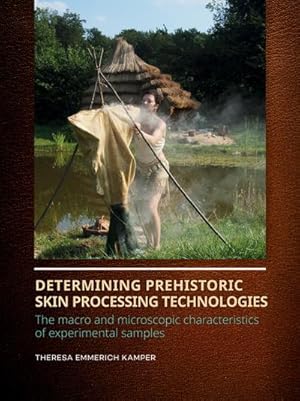
9789088908361 - determining prehistoric skin processing technologies: the macro and microscopic characteristics of experimental samples di kamper, theresa emmerich (5 risultati)

- Brossura
Da: Greenworld Books, arlington, U.S.A.Greenworld Books
Contatta il venditoreVenditore con 5 stelleCondizione: Usato - Buono
EUR 26,12
Spedizione gratuitaSpedito in U.S.A.Quantità: 1 disponibili
Condizione: good. Fast Free Shipping â" Good condition. It may show normal signs of use, such as light writing, highlighting, or library markings, but all pages are intact and the book is fully readable. A solid, complete copy that's ready to enjoy.
- Brossura
- Print on Demand
Da: BuchWeltWeit Ludwig Meier e.K., Bergisch Gladbach, GermaniaBuchWeltWeit Ludwig Meier e.K.
Contatta il venditoreVenditore con 5 stelleCondizione: Nuovo
EUR 50,00
EUR 23,00 spedizioneSpedito da Germania a U.S.A.Quantità: 2 disponibili
Taschenbuch. Condizione: Neu. This item is printed on demand - it takes 3-4 days longer - Neuware -The importance of skin processing technologies in the history and expansion of humankind cannot be overstated, yet these technologies can be difficult to identify in the archaeological record. This research outlines the development… of a systematic, non-destructive method for identifying the tanning technologies used to produce prehistoric skin artefacts. The approach combines extensive archaeological research and over 25 years of the author's personal tanning experience.The method employs observations of an extensive sample reference collection, both macroscopic and microscopic, to produce a database of defining characteristics for six tannage types, from a large geographic area and time frame. The primary collection contains 22 species identified as economically important from both Europe and North America. A secondary collection of clothing and utilitarian items, made from traditionally processed skins, was used to add 'in-life use' traces to the database. The method was tested against both archaeological items from a variety of preservation contexts, and ethnographic items from museum collections across North America and Europe. This analysis confirmed that defining characteristics do exist between the primary tannage technologies, and that at least some defining characteristics survived in all preservation contexts. These can be recorded at multiple levels of observation, and often provide insight into small sections of the artefact's production sequence and life history.This research shows definitively that processed skin items from vastly different preservation contexts can provide a wealth of information about prehistoric tannage technologies, as well as information on manufacturing sequences and the conditions of use an item experienced. The method is a valuable analytical tool for those involved in conservation, curation or analysis of archaeological or ethnographic skin products. It provides a consolidated source of information for artisans working with traditional tanning, or re-enactors interested in the history or science of skin products. Finally, it serves as an example of the targeted use of experimental archaeology in a large-scale research project, and will be beneficial to anyone involved in experimental or experiential archaeology.ContentsPrefaceChapter 1: Connecting disciplines and traditions in archaeological skin processingChapter 2: Methodologies for investigating early tanning technologiesChapter 3: Rationale for faunal selectionChapter 4: Methodology for chosen tanning technologiesChapter 5: Analysis of experimental reference sample collectionChapter 6: Collection analysis by tannage: Interpretation of resultsChapter 7: Identification of in-life use tracesChapter 8: Tying it all together: discriminating traits by tannage typeChapter 9: Discussion and conclusionsAppendicesGlossaryBibliography 250 pp. Englisch.

- Brossura
- Print on Demand
Da: buchversandmimpf2000, Emtmannsberg, Germaniabuchversandmimpf2000
Contatta il venditoreVenditore con 5 stelleCondizione: Nuovo
EUR 50,00
EUR 60,00 spedizioneSpedito da Germania a U.S.A.Quantità: 1 disponibili
Taschenbuch. Condizione: Neu. This item is printed on demand - Print on Demand Titel. Neuware -The importance of skin processing technologies in the history and expansion of humankind cannot be overstated, yet these technologies can be difficult to identify in the archaeological record. This research outlines the development of…a systematic, non-destructive method for identifying the tanning technologies used to produce prehistoric skin artefacts. The approach combines extensive archaeological research and over 25 years of the author¿s personal tanning experience.The method employs observations of an extensive sample reference collection, both macroscopic and microscopic, to produce a database of defining characteristics for six tannage types, from a large geographic area and time frame. The primary collection contains 22 species identified as economically important from both Europe and North America. A secondary collection of clothing and utilitarian items, made from traditionally processed skins, was used to add ¿in-life use¿ traces to the database. The method was tested against both archaeological items from a variety of preservation contexts, and ethnographic items from museum collections across North America and Europe. This analysis confirmed that defining characteristics do exist between the primary tannage technologies, and that at least some defining characteristics survived in all preservation contexts. These can be recorded at multiple levels of observation, and often provide insight into small sections of the artefact¿s production sequence and life history.This research shows definitively that processed skin items from vastly different preservation contexts can provide a wealth of information about prehistoric tannage technologies, as well as information on manufacturing sequences and the conditions of use an item experienced. The method is a valuable analytical tool for those involved in conservation, curation or analysis of archaeological or ethnographic skin products. It provides a consolidated source of information for artisans working with traditional tanning, or re-enactors interested in the history or science of skin products. Finally, it serves as an example of the targeted use of experimental archaeology in a large-scale research project, and will be beneficial to anyone involved in experimental or experiential archaeology.ContentsPrefaceChapter 1: Connecting disciplines and traditions in archaeological skin processingChapter 2: Methodologies for investigating early tanning technologiesChapter 3: Rationale for faunal selectionChapter 4: Methodology for chosen tanning technologiesChapter 5: Analysis of experimental reference sample collectionChapter 6: Collection analysis by tannage: Interpretation of resultsChapter 7: Identification of in-life use tracesChapter 8: Tying it all together: discriminating traits by tannage typeChapter 9: Discussion and conclusionsAppendicesGlossaryBibliographyBooks on Demand GmbH, Überseering 33, 22297 Hamburg 250 pp. Englisch.

- Brossura
- Print on Demand
Da: preigu, Osnabrück, Germaniapreigu
Contatta il venditoreVenditore con 5 stelleCondizione: Nuovo
EUR 43,40
EUR 70,00 spedizioneSpedito da Germania a U.S.A.Quantità: 5 disponibili
Taschenbuch. Condizione: Neu. Determining Prehistoric Skin Processing Technologies | Theresa Emmerich Kamper | Taschenbuch | 250 S. | Englisch | 2020 | Sidestone Press Dissertations | EAN 9789088908361 | Verantwortliche Person für die EU: BoD - Books on Demand, In de Tarpen 42, 22848 Norderstedt, info[at]bod[dot]de | Anbieter: p…reigu Print on Demand.

- Brossura
- Print on Demand
Da: AHA-BUCH GmbH, Einbeck, GermaniaAHA-BUCH GmbH
Contatta il venditoreVenditore con 5 stelleCondizione: Nuovo
EUR 51,81
EUR 64,58 spedizioneSpedito da Germania a U.S.A.Quantità: 1 disponibili
Taschenbuch. Condizione: Neu. nach der Bestellung gedruckt Neuware - Printed after ordering - The importance of skin processing technologies in the history and expansion of humankind cannot be overstated, yet these technologies can be difficult to identify in the archaeological record. This research outlines the development of a… systematic, non-destructive method for identifying the tanning technologies used to produce prehistoric skin artefacts. The approach combines extensive archaeological research and over 25 years of the author's personal tanning experience.The method employs observations of an extensive sample reference collection, both macroscopic and microscopic, to produce a database of defining characteristics for six tannage types, from a large geographic area and time frame. The primary collection contains 22 species identified as economically important from both Europe and North America. A secondary collection of clothing and utilitarian items, made from traditionally processed skins, was used to add 'in-life use' traces to the database. The method was tested against both archaeological items from a variety of preservation contexts, and ethnographic items from museum collections across North America and Europe. This analysis confirmed that defining characteristics do exist between the primary tannage technologies, and that at least some defining characteristics survived in all preservation contexts. These can be recorded at multiple levels of observation, and often provide insight into small sections of the artefact's production sequence and life history.This research shows definitively that processed skin items from vastly different preservation contexts can provide a wealth of information about prehistoric tannage technologies, as well as information on manufacturing sequences and the conditions of use an item experienced. The method is a valuable analytical tool for those involved in conservation, curation or analysis of archaeological or ethnographic skin products. It provides a consolidated source of information for artisans working with traditional tanning, or re-enactors interested in the history or science of skin products. Finally, it serves as an example of the targeted use of experimental archaeology in a large-scale research project, and will be beneficial to anyone involved in experimental or experiential archaeology.ContentsPrefaceChapter 1: Connecting disciplines and traditions in archaeological skin processingChapter 2: Methodologies for investigating early tanning technologiesChapter 3: Rationale for faunal selectionChapter 4: Methodology for chosen tanning technologiesChapter 5: Analysis of experimental reference sample collectionChapter 6: Collection analysis by tannage: Interpretation of resultsChapter 7: Identification of in-life use tracesChapter 8: Tying it all together: discriminating traits by tannage typeChapter 9: Discussion and conclusionsAppendicesGlossaryBibliography.


