
Importo totale (1 articolo articoli):
Destinazione ordine:

homeostatic control brain function (14 risultati)
Vai alla pagina principale dei risultati di ricerca
Filtri di ricerca
Tipo di articolo
- Tutti i tipi di prodotto
- Libri (14)
- Riviste e Giornali (Nessun altro risultato corrispondente a questo perfezionamento)
- Fumetti (Nessun altro risultato corrispondente a questo perfezionamento)
- Spartiti (Nessun altro risultato corrispondente a questo perfezionamento)
- Arte, Stampe e Poster (Nessun altro risultato corrispondente a questo perfezionamento)
- Fotografie (Nessun altro risultato corrispondente a questo perfezionamento)
- Mappe (Nessun altro risultato corrispondente a questo perfezionamento)
- Manoscritti e Collezionismo cartaceo (Nessun altro risultato corrispondente a questo perfezionamento)
Condizioni Maggiori informazioni
- Nuovo (10)
- Come nuovo, Ottimo o Quasi ottimo (4)
- Molto buono o Buono (Nessun altro risultato corrispondente a questo perfezionamento)
- Discreto o Mediocre (Nessun altro risultato corrispondente a questo perfezionamento)
- Come descritto (Nessun altro risultato corrispondente a questo perfezionamento)
Legatura
- Tutte
- Rilegato (14)
- Brossura (Nessun altro risultato corrispondente a questo perfezionamento)
Ulteriori caratteristiche
- Prima ed. (1)
- Copia autograf. (Nessun altro risultato corrispondente a questo perfezionamento)
- Sovracoperta (1)
- Con foto (6)
- Non Print on Demand (11)
Lingua (1)
Prezzo
- Qualsiasi prezzo
- Inferiore a EUR 20 (Nessun altro risultato corrispondente a questo perfezionamento)
- EUR 20 a EUR 45 (Nessun altro risultato corrispondente a questo perfezionamento)
- Superiore a EUR 45
Spedizione gratuita
Paese del venditore
Valutazione venditore
-

Homeostatic Control of Brain Function.
Lingua: Inglese
Editore: Oxford University Press, Oxford, 2016
ISBN 10: 0199322295 ISBN 13: 9780199322299
Da: Research Ink, Takoma Park, MD, U.S.A.
Valutazione del venditore 4 su 5 stelle

Hardback. Condizione: As new. Condizione sovraccoperta: jacketcondition. xiv + 642 pp. book.
-

Homeostatic Control of Brain Function
Lingua: Inglese
Editore: Oxford University Press, Oxford, New York, 2016
Da: Bryn Mawr Bookstore, Cambridge, MA, U.S.A.
Membro dell'associazione: SNEAB
Valutazione del venditore 5 su 5 stelle

Prima edizione
Hardcover. Condizione: As New. 1st Edition. Large octavo. Pp.xiv, 642. As new in printed boards. No jacket as issued.
-
Homeostatic Control of Brain Function
Da: Ria Christie Collections, Uxbridge, Regno Unito
Valutazione del venditore 5 su 5 stelle
EUR 192,10
Spedizione EUR 13,81
Spedito da Regno Unito a U.S.A.Quantità: Più di 20 disponibili
Aggiungi al carrelloCondizione: New. In.
-
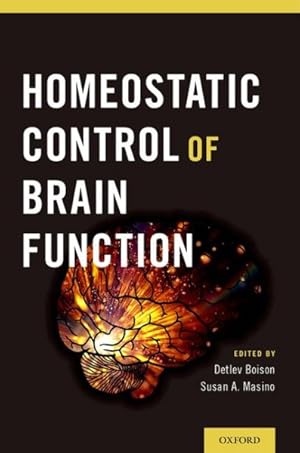
Homeostatic Control of Brain Function
Da: GreatBookPrices, Columbia, MD, U.S.A.
Valutazione del venditore 5 su 5 stelle
EUR 209,73
Spedizione EUR 2,27
Spedito in U.S.A.Quantità: Più di 20 disponibili
Aggiungi al carrelloCondizione: New.
-
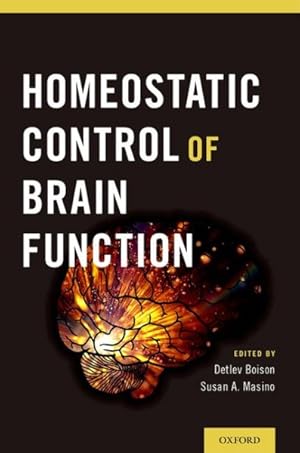
Homeostatic Control of Brain Function
Da: GreatBookPricesUK, Woodford Green, Regno Unito
Valutazione del venditore 5 su 5 stelle
EUR 194,44
Spedizione EUR 17,29
Spedito da Regno Unito a U.S.A.Quantità: Più di 20 disponibili
Aggiungi al carrelloCondizione: New.
-
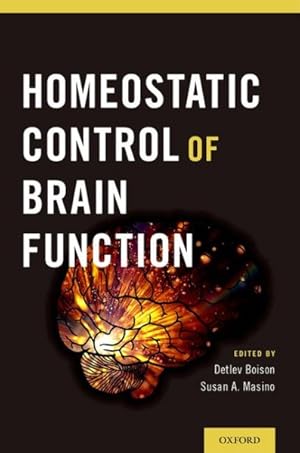
Homeostatic Control of Brain Function
Da: GreatBookPricesUK, Woodford Green, Regno Unito
Valutazione del venditore 5 su 5 stelle
EUR 202,70
Spedizione EUR 17,29
Spedito da Regno Unito a U.S.A.Quantità: Più di 20 disponibili
Aggiungi al carrelloCondizione: As New. Unread book in perfect condition.
-
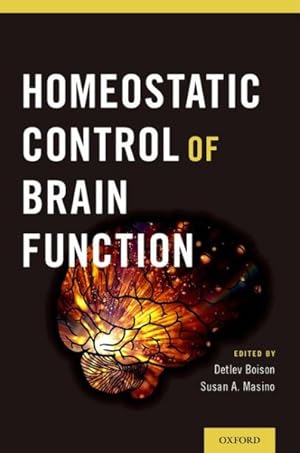
Homeostatic Control of Brain Function
Da: GreatBookPrices, Columbia, MD, U.S.A.
Valutazione del venditore 5 su 5 stelle
EUR 220,07
Spedizione EUR 2,27
Spedito in U.S.A.Quantità: Più di 20 disponibili
Aggiungi al carrelloCondizione: As New. Unread book in perfect condition.
-
Homeostatic Control of Brain Function (eng)
Da: Brook Bookstore On Demand, Napoli, NA, Italia
Valutazione del venditore 5 su 5 stelle
EUR 219,71
Spedizione EUR 13,50
Spedito da Italia a U.S.A.Quantità: 14 disponibili
Aggiungi al carrelloCondizione: new.
-
Homeostatic Control of Brain Function
Da: PBShop.store UK, Fairford, GLOS, Regno Unito
Valutazione del venditore 5 su 5 stelle
EUR 233,87
Spedizione EUR 9,79
Spedito da Regno Unito a U.S.A.Quantità: 14 disponibili
Aggiungi al carrelloHRD. Condizione: New. New Book. Shipped from UK. Established seller since 2000.
-
Homeostatic Control of Brain Function
Da: Lucky's Textbooks, Dallas, TX, U.S.A.
Valutazione del venditore 5 su 5 stelle
EUR 245,84
Spedizione EUR 3,44
Spedito in U.S.A.Quantità: Più di 20 disponibili
Aggiungi al carrelloCondizione: New.
-
Homeostatic Control of Brain Function (Hardcover)
Lingua: Inglese
Editore: Oxford University Press Inc, New York, 2016
ISBN 10: 0199322295 ISBN 13: 9780199322299
Da: Grand Eagle Retail, Bensenville, IL, U.S.A.
Valutazione del venditore 5 su 5 stelle
Hardcover. Condizione: new. Hardcover. Homeostatic Control of Brain Function offers a broad view of brain health and diverse perspectives for potential treatments, targeting key areas such as mitochondria, the immune system, epigenetic changes, and regulatory molecules such as ions, neuropeptides, and neuromodulators. Loss of homeostasis becomes expressed as a diverse array of neurological disorders. Each disorder has multiple comorbidities - with some crossing over severalconditions - and often disease-specific treatments remain elusive. When current pharmacological therapies result in ineffective and inadequate outcomes, therapies to restore and maintain homeostatic functionscan help improve brain health, no matter the diagnosis. Employing homeostatic therapies may lead to future cures or treatments that address multiple comorbidities. In an age where brain diseases such as Alzheimer's or Parkinson's are ever present, the incorporation of homeostatic techniques could successfully promote better overall brain health.Key Features include A focus on the homeostatic controls that significantly depend on the way one lives, eats,and drinks. Highlights from emerging research in non-pharmaceutical therapies including botanical medications, meditation, diet, and exercise. Incorporation of homeostatic therapiesinto existing basic and clinical research paradigms. Extensive scientific basic and clinical research ranging from molecules to disorders. Emerging practical information for improving homeostasis. Examples of homeostatic therapies in preventing and delaying dysfunction. Both editors, Detlev Boison and Susan Masino, bring their unique expertise in homeostatic research to the overall scope of this work. This book isaccessible to all with an interest in brain health; scientist, clinician, student, and lay reader alike. Homeostatic Control of Brain Function offers a broad view of brain health and diverse perspectives for potential treatments, targeting key areas such as mitochondria, the immune system, epigenetic changes, and regulatory molecules such as ions, neuropeptides, and neuromodulators. Loss of homeostasis becomes expressed as a diverse array of neurological disorders. Shipping may be from multiple locations in the US or from the UK, depending on stock availability.
-
Homeostatic Control of Brain Function (Hardcover)
Lingua: Inglese
Editore: Oxford University Press Inc, New York, 2016
ISBN 10: 0199322295 ISBN 13: 9780199322299
Da: CitiRetail, Stevenage, Regno Unito
Valutazione del venditore 5 su 5 stelle
EUR 210,13
Spedizione EUR 42,65
Spedito da Regno Unito a U.S.A.Quantità: 1 disponibili
Aggiungi al carrelloHardcover. Condizione: new. Hardcover. Homeostatic Control of Brain Function offers a broad view of brain health and diverse perspectives for potential treatments, targeting key areas such as mitochondria, the immune system, epigenetic changes, and regulatory molecules such as ions, neuropeptides, and neuromodulators. Loss of homeostasis becomes expressed as a diverse array of neurological disorders. Each disorder has multiple comorbidities - with some crossing over severalconditions - and often disease-specific treatments remain elusive. When current pharmacological therapies result in ineffective and inadequate outcomes, therapies to restore and maintain homeostatic functionscan help improve brain health, no matter the diagnosis. Employing homeostatic therapies may lead to future cures or treatments that address multiple comorbidities. In an age where brain diseases such as Alzheimer's or Parkinson's are ever present, the incorporation of homeostatic techniques could successfully promote better overall brain health.Key Features include A focus on the homeostatic controls that significantly depend on the way one lives, eats,and drinks. Highlights from emerging research in non-pharmaceutical therapies including botanical medications, meditation, diet, and exercise. Incorporation of homeostatic therapiesinto existing basic and clinical research paradigms. Extensive scientific basic and clinical research ranging from molecules to disorders. Emerging practical information for improving homeostasis. Examples of homeostatic therapies in preventing and delaying dysfunction. Both editors, Detlev Boison and Susan Masino, bring their unique expertise in homeostatic research to the overall scope of this work. This book isaccessible to all with an interest in brain health; scientist, clinician, student, and lay reader alike. Homeostatic Control of Brain Function offers a broad view of brain health and diverse perspectives for potential treatments, targeting key areas such as mitochondria, the immune system, epigenetic changes, and regulatory molecules such as ions, neuropeptides, and neuromodulators. Loss of homeostasis becomes expressed as a diverse array of neurological disorders. This item is printed on demand. Shipping may be from our UK warehouse or from our Australian or US warehouses, depending on stock availability.
-
Homeostatic Control of Brain Function
Da: Revaluation Books, Exeter, Regno Unito
Valutazione del venditore 5 su 5 stelle
EUR 245,57
Spedizione EUR 23,05
Spedito da Regno Unito a U.S.A.Quantità: 1 disponibili
Aggiungi al carrelloHardcover. Condizione: Brand New. 1st edition. 656 pages. 10.10x6.90x1.10 inches. In Stock. This item is printed on demand.
-

EUR 265,18
Spedizione EUR 67,07
Spedito da Germania a U.S.A.Quantità: 2 disponibili
Aggiungi al carrelloBuch. Condizione: Neu. nach der Bestellung gedruckt Neuware - Printed after ordering - Homeostatic Control of Brain Function offers a broad view of brain health and diverse perspectives for potential treatments, targeting key areas such as mitochondria, the immune system, epigenetic changes, and regulatory molecules such as ions, neuropeptides, and neuromodulators. Loss of homeostasis becomes expressed as a diverse array of neurological disorders. Each disorder has multiple comorbidities - with some crossing over several conditions - and often disease-specific treatments remain elusive. When current pharmacological therapies result in ineffective and inadequate outcomes, therapies to restore and maintain homeostatic functions can help improve brain health, no matter the diagnosis. Employing homeostatic therapies may lead to future cures or treatments that address multiple comorbidities. In an age where brain diseases such as Alzheimer's or Parkinson's are ever present, the incorporation of homeostatic techniques could successfully promote better overall brain health. Key Features include? A focus on the homeostatic controls that significantly depend on the way one lives, eats, and drinks.? Highlights from emerging research in non-pharmaceutical therapies including botanical medications, meditation, diet, and exercise.? Incorporation of homeostatic therapies into existing basic and clinical research paradigms.? Extensive scientific basic and clinical research ranging from molecules to disorders.? Emerging practical information for improving homeostasis.? Examples of homeostatic therapies in preventing and delaying dysfunction. Both editors, Detlev Boison and Susan Masino, bring their unique expertise in homeostatic research to the overall scope of this work. This book is accessible to all with an interest in brain health; scientist, clinician, student, and lay reader alike.

