
Brett egan (28 risultati)
- Rilegato
Da: ThriftBooks-Atlanta, AUSTELL, GA, U.S.A.ThriftBooks-Atlanta
Contatta il venditoreVenditore con 5 stelleCondizione: Usato - Buono
EUR 7,03
Spedizione gratuitaSpedito in U.S.A.Quantità: 1 disponibili
Hardcover. Condizione: Good. No Jacket. Former library book; Pages can have notes/highlighting. Spine may show signs of wear. ~ ThriftBooks: Read More, Spend Less.
- Rilegato
Da: ThriftBooks-Dallas, Dallas, TX, U.S.A.ThriftBooks-Dallas
Contatta il venditoreVenditore con 5 stelleCondizione: Usato - Molto buono
EUR 7,03
Spedizione gratuitaSpedito in U.S.A.Quantità: 1 disponibili
Hardcover. Condizione: Very Good. No Jacket. May have limited writing in cover pages. Pages are unmarked. ~ ThriftBooks: Read More, Spend Less.
- Rilegato
Da: ThriftBooks-Atlanta, AUSTELL, GA, U.S.A.ThriftBooks-Atlanta
Contatta il venditoreVenditore con 5 stelleCondizione: Usato - Molto buono
EUR 7,03
Spedizione gratuitaSpedito in U.S.A.Quantità: 1 disponibili
Hardcover. Condizione: Very Good. No Jacket. Missing dust jacket; May have limited writing in cover pages. Pages are unmarked. ~ ThriftBooks: Read More, Spend Less.
- Rilegato
Da: HPB-Red, Dallas, TX, U.S.A.HPB-Red
Contatta il venditoreVenditore con 5 stelleCondizione: Usato - Buono
EUR 4,53
EUR 3,30 spedizioneSpedito in U.S.A.Quantità: 1 disponibili
Hardcover. Condizione: Good. Connecting readers with great books since 1972! Used textbooks may not include companion materials such as access codes, etc. May have some wear or writing/highlighting. We ship orders daily and Customer Service is our top priority.
- Rilegato
Da: Better World Books, Mishawaka, IN, U.S.A.Better World Books
Contatta il venditoreVenditore con 5 stelleCondizione: Usato - Molto buono
EUR 8,22
Spedizione gratuitaSpedito in U.S.A.Quantità: 1 disponibili
Condizione: Very Good. Former library copy. Pages intact with possible writing/highlighting. Binding strong with minor wear. Dust jackets/supplements may not be included. Includes library markings. Stock photo provided. Product includes identifying sticker. Better World Books: Buy Books. Do Good.
- Rilegato
Da: Better World Books, Mishawaka, IN, U.S.A.Better World Books
Contatta il venditoreVenditore con 5 stelleCondizione: Usato - Buono
EUR 8,22
Spedizione gratuitaSpedito in U.S.A.Quantità: 1 disponibili
Condizione: Good. Pages intact with minimal writing/highlighting. The binding may be loose and creased. Dust jackets/supplements are not included. Stock photo provided. Product includes identifying sticker. Better World Books: Buy Books. Do Good.
- Rilegato
Da: Better World Books, Mishawaka, IN, U.S.A.Better World Books
Contatta il venditoreVenditore con 5 stelleCondizione: Usato - Buono
EUR 8,22
Spedizione gratuitaSpedito in U.S.A.Quantità: 1 disponibili
Condizione: Good. Former library copy. Pages intact with minimal writing/highlighting. The binding may be loose and creased. Dust jackets/supplements are not included. Includes library markings. Stock photo provided. Product includes identifying sticker. Better World Books: Buy Books. Do Good.
- Rilegato
Da: Better World Books, Mishawaka, IN, U.S.A.Better World Books
Contatta il venditoreVenditore con 5 stelleCondizione: Usato - Molto buono
EUR 8,22
Spedizione gratuitaSpedito in U.S.A.Quantità: 1 disponibili
Condizione: Very Good. Pages intact with possible writing/highlighting. Binding strong with minor wear. Dust jackets/supplements may not be included. Stock photo provided. Product includes identifying sticker. Better World Books: Buy Books. Do Good.
- Rilegato
Da: Blindpig Books, salt lake city, UT, U.S.A.Blindpig Books
Contatta il venditoreVenditore con 5 stelleCondizione: Usato - Buono
EUR 5,03
EUR 3,51 spedizioneSpedito in U.S.A.Quantità: 1 disponibili
hardcover. Condizione: Good. As pictured. Some wear. In a Good jacket. Very readable copy.
- Rilegato
Da: Half Price Books Inc., Dallas, TX, U.S.A.Half Price Books Inc.
Contatta il venditoreVenditore con 5 stelleCondizione: Usato - Molto buono
EUR 9,77
EUR 3,07 spedizioneSpedito in U.S.A.Quantità: 1 disponibili
Hardcover. Condizione: Very Good. Connecting readers with great books since 1972! Used books may not include companion materials, and may have some shelf wear or limited writing. We ship orders daily and Customer Service is our top priority.
- Rilegato
Da: HPB Inc., Dallas, TX, U.S.A.HPB Inc.
Contatta il venditoreVenditore con 5 stelleCondizione: Usato - Molto buono
EUR 12,21
EUR 3,30 spedizioneSpedito in U.S.A.Quantità: 1 disponibili
Hardcover. Condizione: Very Good. Connecting readers with great books since 1972! Used books may not include companion materials, and may have some shelf wear or limited writing. We ship orders daily and Customer Service is our top priority.
- Rilegato
Da: HPB-Emerald, Dallas, TX, U.S.A.HPB-Emerald
Contatta il venditoreVenditore con 5 stelleCondizione: Usato - Molto buono
EUR 12,21
EUR 3,30 spedizioneSpedito in U.S.A.Quantità: 1 disponibili
Hardcover. Condizione: Very Good. Connecting readers with great books since 1972! Used books may not include companion materials, and may have some shelf wear or limited writing. We ship orders daily and Customer Service is our top priority.
- Rilegato
Da: HPB-Diamond, Dallas, TX, U.S.A.HPB-Diamond
Contatta il venditoreVenditore con 5 stelleCondizione: Usato - Molto buono
EUR 12,21
EUR 3,30 spedizioneSpedito in U.S.A.Quantità: 1 disponibili
Hardcover. Condizione: Very Good. Connecting readers with great books since 1972! Used books may not include companion materials, and may have some shelf wear or limited writing. We ship orders daily and Customer Service is our top priority.
- Rilegato
Da: Open Books West Loop, Chicago, IL, U.S.A.Open Books West Loop
Contatta il venditoreVenditore con 4 stelleCondizione: Usato
EUR 13,58
EUR 4,39 spedizioneSpedito in U.S.A.Quantità: 1 disponibili
Hardcover. Condizione: Used.

- Rilegato
Da: GreatBookPrices, Columbia, MD, U.S.A.GreatBookPrices
Contatta il venditoreVenditore con 5 stelleCondizione: Nuovo
EUR 30,68
EUR 2,32 spedizioneSpedito in U.S.A.Quantità: 18 disponibili
Condizione: New.

- Rilegato
Da: Rarewaves.com USA, London, LONDO, Regno UnitoRarewaves.com USA
Contatta il venditoreVenditore con 5 stelleCondizione: Nuovo
EUR 33,08
Spedizione gratuitaSpedito da Regno Unito a U.S.A.Quantità: 9 disponibili
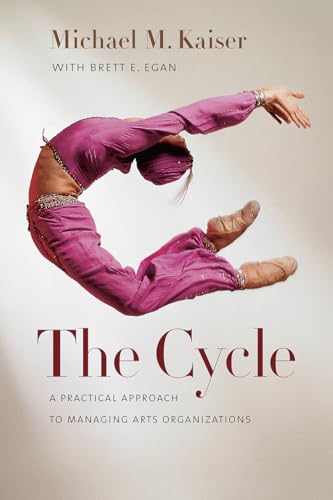
Hardback. Condizione: New. In the third book of his popular trilogy on creating and sustaining arts organizations, Michael Kaiser reveals the hidden engine that powers consistent success. According to Kaiser, successful arts organizations pursue strong programmatic marketing campaigns that compel people to buy tickets, enroll in… classes, and so on-in short, to participate in the organization's programs. Additionally, they create exciting activities that draw people to the organization as a whole. This institutional marketing creates a sense of enthusiasm that attracts donors, board members, and volunteers.Kaiser calls this group of external supporters the family. When this hidden engine is humming, staff, board, and audience members, artists, and donors feel confidence in the future. Resources are reinvested in more and better art, which is marketed aggressively; as a result, the"family" continues to grow, providing even more resources. This self-reinforcing cycle underlies the activities of all healthy arts organizations, and the theory behind it can be used as a diagnostic tool to reveal-and remedy-the problems of troubled ones.This book addresses each element of the cycle in the hope that more arts organizations around the globe-from orchestras, theaters, museums, opera companies, and classical and modern dance organizations to service organizations and other not-for-profit cultural institutions-will be able to sustain remarkable creativity, pay the bills, and have fun doing so.
- Rilegato
Da: GreatBookPrices, Columbia, MD, U.S.A.GreatBookPrices
Contatta il venditoreVenditore con 5 stelleCondizione: Usato - Come nuovo
EUR 33,46
EUR 2,32 spedizioneSpedito in U.S.A.Quantità: 18 disponibili
Condizione: As New. Unread book in perfect condition.

- Rilegato
Da: Rarewaves USA, OSWEGO, IL, U.S.A.Rarewaves USA
Contatta il venditoreVenditore con 5 stelleCondizione: Nuovo
EUR 39,11
Spedizione gratuitaSpedito in U.S.A.Quantità: 1 disponibili
Hardback. Condizione: New. In the third book of his popular trilogy on creating and sustaining arts organizations, Michael Kaiser reveals the hidden engine that powers consistent success. According to Kaiser, successful arts organizations pursue strong programmatic marketing campaigns that compel people to buy tickets, enroll in… classes, and so on-in short, to participate in the organization's programs. Additionally, they create exciting activities that draw people to the organization as a whole. This institutional marketing creates a sense of enthusiasm that attracts donors, board members, and volunteers.Kaiser calls this group of external supporters the family. When this hidden engine is humming, staff, board, and audience members, artists, and donors feel confidence in the future. Resources are reinvested in more and better art, which is marketed aggressively; as a result, the"family" continues to grow, providing even more resources. This self-reinforcing cycle underlies the activities of all healthy arts organizations, and the theory behind it can be used as a diagnostic tool to reveal-and remedy-the problems of troubled ones.This book addresses each element of the cycle in the hope that more arts organizations around the globe-from orchestras, theaters, museums, opera companies, and classical and modern dance organizations to service organizations and other not-for-profit cultural institutions-will be able to sustain remarkable creativity, pay the bills, and have fun doing so.

Editore: Brandeis University Press, 2013
- Rilegato
Da: The Avocado Pit, Staunton, VA, U.S.A.The Avocado Pit
Contatta il venditoreVenditore con 5 stelleMembro dell’associazione: IOBA
Condizione: Usato - Come nuovo
EUR 26,25
Spedizione gratuitaSpedito in U.S.A.Quantità: 1 disponibili
Hardcover. Condizione: As New. Condizione sovraccoperta: As New. Third Printing. 8vo 8" - 9" tall; 212 pages.
- Rilegato
Da: Majestic Books, Hounslow, Regno UnitoMajestic Books
Contatta il venditoreVenditore con 4 stelleCondizione: Nuovo
EUR 31,95
EUR 7,61 spedizioneSpedito da Regno Unito a U.S.A.Quantità: 3 disponibili
Condizione: New. pp. 212 11 Illus.
- Rilegato
Da: Revaluation Books, Exeter, Regno UnitoRevaluation Books
Contatta il venditoreVenditore con 5 stelleCondizione: Nuovo
EUR 28,83
EUR 11,70 spedizioneSpedito da Regno Unito a U.S.A.Quantità: 2 disponibili
Hardcover. Condizione: Brand New. 212 pages. 9.10x6.00x0.90 inches. In Stock.
- Rilegato
Da: Books Puddle, New York, NY, U.S.A.Books Puddle
Contatta il venditoreVenditore con 4 stelleCondizione: Nuovo
EUR 44,77
EUR 3,51 spedizioneSpedito in U.S.A.Quantità: 3 disponibili
Condizione: New. pp. 212.

- Rilegato
Da: GreatBookPricesUK, Woodford Green, Regno UnitoGreatBookPricesUK
Contatta il venditoreVenditore con 5 stelleCondizione: Nuovo
EUR 33,51
EUR 17,55 spedizioneSpedito da Regno Unito a U.S.A.Quantità: 18 disponibili
Condizione: New.

- Rilegato
Da: GreatBookPricesUK, Woodford Green, Regno UnitoGreatBookPricesUK
Contatta il venditoreVenditore con 5 stelleCondizione: Usato - Come nuovo
EUR 38,09
EUR 17,55 spedizioneSpedito da Regno Unito a U.S.A.Quantità: 18 disponibili
Condizione: As New. Unread book in perfect condition.
- Rilegato
Da: Revaluation Books, Exeter, Regno UnitoRevaluation Books
Contatta il venditoreVenditore con 5 stelleCondizione: Nuovo
EUR 45,92
EUR 11,70 spedizioneSpedito da Regno Unito a U.S.A.Quantità: 2 disponibili
Hardcover. Condizione: Brand New. 212 pages. 9.10x6.00x0.90 inches. In Stock.

- Rilegato
Da: Rarewaves USA United, OSWEGO, IL, U.S.A.Rarewaves USA United
Contatta il venditoreVenditore con 5 stelleCondizione: Nuovo
EUR 40,43
EUR 43,95 spedizioneSpedito in U.S.A.Quantità: 1 disponibili
Hardback. Condizione: New. In the third book of his popular trilogy on creating and sustaining arts organizations, Michael Kaiser reveals the hidden engine that powers consistent success. According to Kaiser, successful arts organizations pursue strong programmatic marketing campaigns that compel people to buy tickets, enroll in… classes, and so on-in short, to participate in the organization's programs. Additionally, they create exciting activities that draw people to the organization as a whole. This institutional marketing creates a sense of enthusiasm that attracts donors, board members, and volunteers.Kaiser calls this group of external supporters the family. When this hidden engine is humming, staff, board, and audience members, artists, and donors feel confidence in the future. Resources are reinvested in more and better art, which is marketed aggressively; as a result, the"family" continues to grow, providing even more resources. This self-reinforcing cycle underlies the activities of all healthy arts organizations, and the theory behind it can be used as a diagnostic tool to reveal-and remedy-the problems of troubled ones.This book addresses each element of the cycle in the hope that more arts organizations around the globe-from orchestras, theaters, museums, opera companies, and classical and modern dance organizations to service organizations and other not-for-profit cultural institutions-will be able to sustain remarkable creativity, pay the bills, and have fun doing so.
- Rilegato
Da: moluna, Greven, Germaniamoluna
Contatta il venditoreVenditore con 5 stelleCondizione: Nuovo
EUR 37,60
EUR 48,99 spedizioneSpedito da Germania a U.S.A.Quantità: 2 disponibili
Condizione: New. Offers practical advice, based on the notion of a family of supporters, for managing healthy arts organizationsÜber den AutorMICHAEL M. KAISER is president of the John F. Kennedy Center for the Performing Arts and author of Th.

- Rilegato
Da: Rarewaves.com UK, London, Regno UnitoRarewaves.com UK
Contatta il venditoreVenditore con 5 stelleCondizione: Nuovo
EUR 29,66
EUR 76,06 spedizioneSpedito da Regno Unito a U.S.A.Quantità: 9 disponibili
Hardback. Condizione: New. In the third book of his popular trilogy on creating and sustaining arts organizations, Michael Kaiser reveals the hidden engine that powers consistent success. According to Kaiser, successful arts organizations pursue strong programmatic marketing campaigns that compel people to buy tickets, enroll in… classes, and so on-in short, to participate in the organization's programs. Additionally, they create exciting activities that draw people to the organization as a whole. This institutional marketing creates a sense of enthusiasm that attracts donors, board members, and volunteers.Kaiser calls this group of external supporters the family. When this hidden engine is humming, staff, board, and audience members, artists, and donors feel confidence in the future. Resources are reinvested in more and better art, which is marketed aggressively; as a result, the"family" continues to grow, providing even more resources. This self-reinforcing cycle underlies the activities of all healthy arts organizations, and the theory behind it can be used as a diagnostic tool to reveal-and remedy-the problems of troubled ones.This book addresses each element of the cycle in the hope that more arts organizations around the globe-from orchestras, theaters, museums, opera companies, and classical and modern dance organizations to service organizations and other not-for-profit cultural institutions-will be able to sustain remarkable creativity, pay the bills, and have fun doing so.


