

Importo totale (1 articolo articoli):
Destinazione ordine:

dushanov tomislav (20 risultati)
Vai alla pagina principale dei risultati di ricerca
Filtri di ricerca
Tipo di articolo
- Tutti i tipi di prodotto
- Libri (20)
- Riviste e Giornali (Nessun altro risultato corrispondente a questo perfezionamento)
- Fumetti (Nessun altro risultato corrispondente a questo perfezionamento)
- Spartiti (Nessun altro risultato corrispondente a questo perfezionamento)
- Arte, Stampe e Poster (Nessun altro risultato corrispondente a questo perfezionamento)
- Fotografie (Nessun altro risultato corrispondente a questo perfezionamento)
- Mappe (Nessun altro risultato corrispondente a questo perfezionamento)
- Manoscritti e Collezionismo cartaceo (Nessun altro risultato corrispondente a questo perfezionamento)
Condizioni Maggiori informazioni
- Nuovo (17)
- Come nuovo, Ottimo o Quasi ottimo (2)
- Molto buono o Buono (1)
- Discreto o Mediocre (Nessun altro risultato corrispondente a questo perfezionamento)
- Come descritto (Nessun altro risultato corrispondente a questo perfezionamento)
Legatura
- Tutte
- Rilegato (Nessun altro risultato corrispondente a questo perfezionamento)
- Brossura (20)
Ulteriori caratteristiche
- Prima ed. (1)
- Copia autograf. (Nessun altro risultato corrispondente a questo perfezionamento)
- Sovracoperta (Nessun altro risultato corrispondente a questo perfezionamento)
- Con foto (7)
- Non Print on Demand (20)
Lingua (1)
Spedizione gratuita
Paese del venditore
Valutazione venditore
-
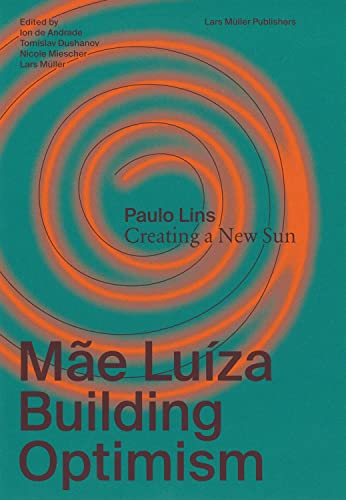
Mãe LuÃza: Building Optimism
Da: Midtown Scholar Bookstore, Harrisburg, PA, U.S.A.
Valutazione del venditore 5 su 5 stelle

paperback. Condizione: Good. Good - Bumped and creased book with tears to the extremities, but not affecting the text block, may have remainder mark or previous owner's name - GOOD PAPERBACK Standard-sized.
-
Mãe Luíza : Building Optimism
Da: GreatBookPrices, Columbia, MD, U.S.A.
Valutazione del venditore 5 su 5 stelle
EUR 26,88
Spedizione EUR 2,31
Spedito in U.S.A.Quantità: Più di 20 disponibili
Aggiungi al carrelloCondizione: As New. Unread book in perfect condition.
-
Mae Luiza Building Optimism - Paulo Lins - Paperback - New
Da: Devils in the Detail Ltd, Oxford, Regno Unito
Valutazione del venditore 5 su 5 stelle
EUR 14,43
Spedizione EUR 18,67
Spedito da Regno Unito a U.S.A.Quantità: 6 disponibili
Aggiungi al carrelloCondizione: New. Picture Shown is For Illustration Purposes Only, Please See Below For Further DetailsCONDITION ? NEW.
-
Mãe Luíza : Building Optimism
Da: GreatBookPrices, Columbia, MD, U.S.A.
Valutazione del venditore 5 su 5 stelle
EUR 31,61
Spedizione EUR 2,31
Spedito in U.S.A.Quantità: Più di 20 disponibili
Aggiungi al carrelloCondizione: New.
-

Mãe Luíza
Lingua: Inglese
Editore: Lars Muller Publishers, CH, 2021
ISBN 10: 3037786825 ISBN 13: 9783037786826
Da: Rarewaves.com USA, London, LONDO, Regno Unito
Valutazione del venditore 5 su 5 stelle
EUR 35,35
Spedizione gratuita
Spedito da Regno Unito a U.S.A.Quantità: Più di 20 disponibili
Aggiungi al carrelloPaperback. Condizione: New. Mãe Luíza is a borough at the edge of the city of Natal in the northeast of Brazil with approximately 15,000 inhabitants - a favela with all the typical grievances. In the 1980s Padre Sabino Gentili came to Natal from Italy, and settled in Mãe Luíza. He built the fi rst Catholic church in the poor community and in 1984 founded the Centro Sócio with German, Swiss and Brazilian support. In a participatory process in which the community was able to voice its needs and priorities, the Centro initiated communal social infrastructure for education and medical care, and later for sports, culture and community life. After Padre Sabino's death in 2006 the Ameropa Foundation strengthened its commitment with further investments in the infrastructure, expanding social and educative services and community-building measures. The efforts culminated in the construction of an arena for sporting and communal activities and also a music school, two outstanding buildings and focal points in the neighborhood, designed by Swiss architects: facilities usually absent in the Brazilian peripheries.This richly illustrated volume documents the transformation of Mãe Luíza as an example of how to build community, create citizenship and identity, and promote initiative and participation with timely and punctual investments. Alongside a novel written by the esteemed Brazilian author Paulo Lins, short articles and essays trace the history of Mãe Luíza from the point of view of local activists as well as invited authors from various fi elds.
-

Mãe Luíza
Lingua: Inglese
Editore: Lars Muller Publishers, CH, 2021
ISBN 10: 3037786825 ISBN 13: 9783037786826
EUR 38,43
Spedizione gratuita
Spedito in U.S.A.Quantità: Più di 20 disponibili
Aggiungi al carrelloPaperback. Condizione: New. Mãe Luíza is a borough at the edge of the city of Natal in the northeast of Brazil with approximately 15,000 inhabitants - a favela with all the typical grievances. In the 1980s Padre Sabino Gentili came to Natal from Italy, and settled in Mãe Luíza. He built the fi rst Catholic church in the poor community and in 1984 founded the Centro Sócio with German, Swiss and Brazilian support. In a participatory process in which the community was able to voice its needs and priorities, the Centro initiated communal social infrastructure for education and medical care, and later for sports, culture and community life. After Padre Sabino's death in 2006 the Ameropa Foundation strengthened its commitment with further investments in the infrastructure, expanding social and educative services and community-building measures. The efforts culminated in the construction of an arena for sporting and communal activities and also a music school, two outstanding buildings and focal points in the neighborhood, designed by Swiss architects: facilities usually absent in the Brazilian peripheries.This richly illustrated volume documents the transformation of Mãe Luíza as an example of how to build community, create citizenship and identity, and promote initiative and participation with timely and punctual investments. Alongside a novel written by the esteemed Brazilian author Paulo Lins, short articles and essays trace the history of Mãe Luíza from the point of view of local activists as well as invited authors from various fi elds.
-
Mãe Luíza : Building Optimism
Da: GreatBookPricesUK, Woodford Green, Regno Unito
Valutazione del venditore 5 su 5 stelle
EUR 28,19
Spedizione EUR 17,52
Spedito da Regno Unito a U.S.A.Quantità: Più di 20 disponibili
Aggiungi al carrelloCondizione: As New. Unread book in perfect condition.
-
Mãe Luíza : Building Optimism
Da: GreatBookPricesUK, Woodford Green, Regno Unito
Valutazione del venditore 5 su 5 stelle
EUR 28,81
Spedizione EUR 17,52
Spedito da Regno Unito a U.S.A.Quantità: Più di 20 disponibili
Aggiungi al carrelloCondizione: New.
-
Mae Luiza
Lingua: Inglese
Editore: Muller, Lars, Verlag, Lars Muller Publishers, 2022
ISBN 10: 3037786825 ISBN 13: 9783037786826
Da: Books Puddle, New York, NY, U.S.A.
Valutazione del venditore 4 su 5 stelle

Condizione: New.
-
Mae Luiza
Lingua: Inglese
Editore: Muller, Lars, Verlag, Lars Muller Publishers, 2022
ISBN 10: 3037786825 ISBN 13: 9783037786826
Da: Majestic Books, Hounslow, Regno Unito
Valutazione del venditore 4 su 5 stelle
EUR 40,14
Spedizione EUR 7,59
Spedito da Regno Unito a U.S.A.Quantità: 1 disponibili
Aggiungi al carrelloCondizione: New.
-
MAE LUIZA: BUILDING OPTIMISM
Da: Brook Bookstore On Demand, Napoli, NA, Italia
Valutazione del venditore 5 su 5 stelle
EUR 36,30
Spedizione EUR 11,00
Spedito da Italia a U.S.A.Quantità: Più di 20 disponibili
Aggiungi al carrelloCondizione: new.
-
Mae Luiza
Lingua: Inglese
Editore: Muller, Lars, Verlag, Lars Muller Publishers, 2022
ISBN 10: 3037786825 ISBN 13: 9783037786826
Da: Biblios, Frankfurt am main, HESSE, Germania
Valutazione del venditore 4 su 5 stelle
EUR 38,79
Spedizione EUR 9,95
Spedito da Germania a U.S.A.Quantità: 1 disponibili
Aggiungi al carrelloCondizione: New.
-
Mae Luiza: Building Optimism
Da: Kennys Bookshop and Art Galleries Ltd., Galway, GY, Irlanda
Valutazione del venditore 5 su 5 stelle
Prima edizione
EUR 38,19
Spedizione EUR 10,50
Spedito da Irlanda a U.S.A.Quantità: Più di 20 disponibili
Aggiungi al carrelloCondizione: New. 2021. 01st Edition. Paperback. . . . . .
-
Mae Luiza: Building Optimism
Da: Revaluation Books, Exeter, Regno Unito
Valutazione del venditore 5 su 5 stelle
EUR 37,64
Spedizione EUR 14,60
Spedito da Regno Unito a U.S.A.Quantità: 2 disponibili
Aggiungi al carrelloPaperback. Condizione: Brand New. 274 pages. 9.50x6.75x1.00 inches. In Stock.
-
Mae Luiza: Building Optimism
Da: Kennys Bookstore, Olney, MD, U.S.A.
Valutazione del venditore 5 su 5 stelle
EUR 47,40
Spedizione EUR 9,19
Spedito in U.S.A.Quantità: Più di 20 disponibili
Aggiungi al carrelloCondizione: New. 2021. 01st Edition. Paperback. . . . . . Books ship from the US and Ireland.
-
Mãe Luíza: Building Optimism
Lingua: Inglese
Editore: Lars Müller Publishers, Zürich, 2021
ISBN 10: 3037786825 ISBN 13: 9783037786826
EUR 31,38
Spedizione EUR 48,99
Spedito da Germania a U.S.A.Quantità: Più di 20 disponibili
Aggiungi al carrelloKartoniert / Broschiert. Condizione: New.
-

Mãe Luíza
Lingua: Inglese
Editore: Lars Muller Publishers, CH, 2021
ISBN 10: 3037786825 ISBN 13: 9783037786826
Da: Rarewaves USA United, OSWEGO, IL, U.S.A.
Valutazione del venditore 5 su 5 stelle
EUR 40,05
Spedizione EUR 43,77
Spedito in U.S.A.Quantità: Più di 20 disponibili
Aggiungi al carrelloPaperback. Condizione: New. Mãe Luíza is a borough at the edge of the city of Natal in the northeast of Brazil with approximately 15,000 inhabitants - a favela with all the typical grievances. In the 1980s Padre Sabino Gentili came to Natal from Italy, and settled in Mãe Luíza. He built the fi rst Catholic church in the poor community and in 1984 founded the Centro Sócio with German, Swiss and Brazilian support. In a participatory process in which the community was able to voice its needs and priorities, the Centro initiated communal social infrastructure for education and medical care, and later for sports, culture and community life. After Padre Sabino's death in 2006 the Ameropa Foundation strengthened its commitment with further investments in the infrastructure, expanding social and educative services and community-building measures. The efforts culminated in the construction of an arena for sporting and communal activities and also a music school, two outstanding buildings and focal points in the neighborhood, designed by Swiss architects: facilities usually absent in the Brazilian peripheries.This richly illustrated volume documents the transformation of Mãe Luíza as an example of how to build community, create citizenship and identity, and promote initiative and participation with timely and punctual investments. Alongside a novel written by the esteemed Brazilian author Paulo Lins, short articles and essays trace the history of Mãe Luíza from the point of view of local activists as well as invited authors from various fi elds.
-
Mãe Luíza: Building Optimism : With the story "Creating a New Sun" by Paulo Lins
Lingua: Inglese
Editore: Lars Müller Publishers, Zürich Dez 2021, 2021
ISBN 10: 3037786825 ISBN 13: 9783037786826
EUR 38,06
Spedizione EUR 63,68
Spedito da Germania a U.S.A.Quantità: 10 disponibili
Aggiungi al carrelloTaschenbuch. Condizione: Neu. Neuware - Mãe Luíza is a borough at the edge of the city of Natal in the northeast of Brazil with approximately 15,000 inhabitants - a favela with all the typical grievances. In the 1980s Padre Sabino Gentili came to Natal from Italy, and settled in Mãe Luíza. He built the first Catholic church in the poor community and in 1984 founded the Centro Sócio with German, Swiss and Brazilian support. In a participatory process in which the community was able to voice its needs and priorities, the Centro initiated communal social infrastructure for education and medical care, and later for sports, culture and community life. After Padre Sabino's death in 2006 the Ameropa Foundation strengthened its commitment with further investments in the infrastructure, expanding social and educative services and community-building measures. The efforts culminated in the construction of an arena for sporting and communal activities and also a music school, two outstanding buildings and focal points in the neighborhood, designed by Swiss architects: facilities usually absent in the Brazilian peripheries.This richly illustrated volume documents the transformation of Mãe Luíza as an example of how to build community, create citizenship and identity, and promote initiative and participation with timely and punctual investments. Alongside a novel written by the esteemed Brazilian author Paulo Lins, short articles and essays trace the history of Mãe Luíza from the point of view of local activists as well as invited authors from various fields.; Mãe Luíza ist ein Stadtteil am Rande der Stadt Natal im Nordosten Brasiliens mit etwa 15 000 EinwohnerInnen - eine Favela mit allen typischen Missständen. In den 1980er-Jahren liess sich Padre Sabino Gentili aus Italien in Mãe Luíza nieder. Er baute die erste katholische Kirche in der armen Gemeinde und gründete 1984 mit deutscher, schweizerischer und brasilianischer Unterstützung das Centro Sócio. In einem partizipatorischen Prozess, in dem die BürgerInnen ihre Bedürfnisse und Prioritäten äussern konnten, initiierte das Centro eine kommunale soziale Infrastruktur für Bildung und medizinische Versorgung und später auch für Sport, Kultur und das Gemeinschaftsleben. Nach dem Tod von Padre Sabino im Jahr 2006 verstärkte die Ameropa Stiftung ihr Engagement durch weitere Investitionen in die Infrastruktur, den Ausbau sozialer und pädagogischer Dienste und gemeinschaftsfördernde Massnahmen. Die Bemühungen gipfelten im Bau einer Arena für sportliche und gemeinschaftliche Aktivitäten und einer Musikschule - zwei herausragende von Schweizer Architekten entworfene Gebäude, wie sie an Brasiliens Stadträndern selten sind.Dieser reich bebilderte Band dokumentiert die Transformation von Mãe Luíza als Beispiel dafür, wie man mit punktuellen Investitionen Gemeinschaft aufbaut, Identität stiftet und Initiative und Partizipation fördert. Neben einer Erzählung des renommierten brasilianischen Autors Paulo Lins zeichnen kurze Artikel und Essays die Geschichte von Mãe Luíza aus der Sicht lokaler AktivistInnen sowie eingeladener AutorInnen aus verschiedenen Bereichen nach.
-

Mãe Luíza: Building Optimism | With the story "Creating a New Sun" by Paulo Lins
Lingua: Inglese
Editore: Lars Müller Publishers, Zürich, 2021
ISBN 10: 3037786825 ISBN 13: 9783037786826
EUR 34,75
Spedizione EUR 70,00
Spedito da Germania a U.S.A.Quantità: 1 disponibili
Aggiungi al carrelloTaschenbuch. Condizione: Neu. Mãe Luíza: Building Optimism | With the story "Creating a New Sun" by Paulo Lins | Paulo Lins | Taschenbuch | 276 S. | Englisch | 2021 | Lars Müller Publishers, Zürich | EAN 9783037786826 | Verantwortliche Person für die EU: Lars Müller Publishers, Michael Klein, Hub 1, 84149 Velden, gpsr[at]lars-mueller-publishers[dot]com | Anbieter: preigu.
-

Mãe Luíza
Lingua: Inglese
Editore: Lars Muller Publishers, CH, 2021
ISBN 10: 3037786825 ISBN 13: 9783037786826
Da: Rarewaves.com UK, London, Regno Unito
Valutazione del venditore 5 su 5 stelle
EUR 32,31
Spedizione EUR 75,90
Spedito da Regno Unito a U.S.A.Quantità: Più di 20 disponibili
Aggiungi al carrelloPaperback. Condizione: New. Mãe Luíza is a borough at the edge of the city of Natal in the northeast of Brazil with approximately 15,000 inhabitants - a favela with all the typical grievances. In the 1980s Padre Sabino Gentili came to Natal from Italy, and settled in Mãe Luíza. He built the fi rst Catholic church in the poor community and in 1984 founded the Centro Sócio with German, Swiss and Brazilian support. In a participatory process in which the community was able to voice its needs and priorities, the Centro initiated communal social infrastructure for education and medical care, and later for sports, culture and community life. After Padre Sabino's death in 2006 the Ameropa Foundation strengthened its commitment with further investments in the infrastructure, expanding social and educative services and community-building measures. The efforts culminated in the construction of an arena for sporting and communal activities and also a music school, two outstanding buildings and focal points in the neighborhood, designed by Swiss architects: facilities usually absent in the Brazilian peripheries.This richly illustrated volume documents the transformation of Mãe Luíza as an example of how to build community, create citizenship and identity, and promote initiative and participation with timely and punctual investments. Alongside a novel written by the esteemed Brazilian author Paulo Lins, short articles and essays trace the history of Mãe Luíza from the point of view of local activists as well as invited authors from various fi elds.

