Importo totale (1 articolo articoli):
Destinazione ordine:

edited karl potter (16 risultati)
Vai alla pagina principale dei risultati di ricerca
Filtri di ricerca
Tipo di articolo
- Tutti i tipi di prodotto
- Libri (16)
- Riviste e Giornali (Nessun altro risultato corrispondente a questo perfezionamento)
- Fumetti (Nessun altro risultato corrispondente a questo perfezionamento)
- Spartiti (Nessun altro risultato corrispondente a questo perfezionamento)
- Arte, Stampe e Poster (Nessun altro risultato corrispondente a questo perfezionamento)
- Fotografie (Nessun altro risultato corrispondente a questo perfezionamento)
- Mappe (Nessun altro risultato corrispondente a questo perfezionamento)
- Manoscritti e Collezionismo cartaceo (Nessun altro risultato corrispondente a questo perfezionamento)
Condizioni Maggiori informazioni
- Nuovo (9)
- Come nuovo, Ottimo o Quasi ottimo (5)
- Molto buono o Buono (2)
- Discreto o Mediocre (Nessun altro risultato corrispondente a questo perfezionamento)
- Come descritto (Nessun altro risultato corrispondente a questo perfezionamento)
Legatura
- Tutte
- Rilegato (14)
- Brossura (Nessun altro risultato corrispondente a questo perfezionamento)
Ulteriori caratteristiche
- Prima ed. (8)
- Copia autograf. (Nessun altro risultato corrispondente a questo perfezionamento)
- Sovracoperta (6)
- Con foto (1)
- Non Print on Demand (16)
Lingua (1)
Spedizione gratuita
- Spedizione gratuita in U.S.A. (Nessun altro risultato corrispondente a questo perfezionamento)
Paese del venditore
Valutazione venditore
-
Walls of Fear New Horror Tales // The Photos in this listing are of the book that is offered for sale
Lingua: Inglese
Editore: William Morrow and Company Inc, New York, 1990
ISBN 10: 0688089674 ISBN 13: 9780688089672
Da: biblioboy, North Providence, RI, U.S.A.
Valutazione del venditore 5 su 5 stelle

Prima edizione
Hardcover. Condizione: Near Fine. Condizione sovraccoperta: Near Fine. Dust Jacket art by J.K. Potter (illustratore). First Edition. New York: William Morrow and Company Inc 1990. First Edition. 395 pages, collects 16 stories edited by Kathryn Cramer with stories by Jonathan Carroll, Karl Edward Wagner, Gene Wolfe, M. J. Engh, Gwyneth Jones, Edward Bryant, Jessica Amanda Salmonson, Richard A. Lupoff, Sharon Baker, Jack Womack, Susan Palwick, James Morrow, Ian Watson, Greg Cox, Chet Williamson, Garry Kilworth. Dust Jacket art by J.K. Potter. Near Fine copy in Near Fine Dust Jacket with some wear to the spine head. See Photos clph/42.
-
![Immagine dell'editore per Encyclopedia of Indian Philosophies, Vol 6 ? Indian Philosophical Analysis, Nyaya?Vaisesika from Gangesa to Raghunatha Siromani [Volume VI only] venduto da Kennys Bookstore](https://pictures.abebooks.com/isbn/9780691073842-it-300.jpg)
Encyclopedia of Indian Philosophies, Vol 6 ? Indian Philosophical Analysis, Nyaya?Vaisesika from Gangesa to Raghunatha Siromani [Volume VI only]
Libro 4 di 12: Encyclopedia of Indian PhilosophiesLingua: Inglese
Editore: Princeton University Press, 1994
ISBN 10: 0691073848 ISBN 13: 9780691073842
Da: Kennys Bookstore, Olney, MD, U.S.A.
Valutazione del venditore 5 su 5 stelle
Condizione: Very Good. 1994. hardcover. Volume VI only. Good clean copy with minor age & shelf wear. DJ has some minor nicks and tears, remains very good. . . . . Books ship from the US and Ireland.
-
Encyclopedia of Indian Philosophies, Vol 6 - Indian Philosophical Analysis, Nyaya-Vaisesika from Gangesa to Raghunatha Siromani [Volume VI only]
Libro 4 di 12: Encyclopedia of Indian PhilosophiesLingua: Inglese
Editore: Princeton University Press, 1994
ISBN 10: 0691073848 ISBN 13: 9780691073842
Da: Kennys Bookshop and Art Galleries Ltd., Galway, GY, Irlanda
Valutazione del venditore 5 su 5 stelle
EUR 21,54
Spedizione EUR 10,50
Spedito da Irlanda a U.S.A.Quantità: 1 disponibili
Aggiungi al carrelloCondizione: Very Good. 1994. hardcover. Volume VI only. Good clean copy with minor age & shelf wear. DJ has some minor nicks and tears, remains very good. . . . .
-

Encyclopedia of Indian Philosophies: Vol. XIX: Acintyabhedhabheda Vaisnava Philosophy
Da: Vedams eBooks (P) Ltd, New Delhi, India
Valutazione del venditore 4 su 5 stelle

Prima edizione
EUR 30,76
Spedizione EUR 17,50
Spedito da India a U.S.A.Quantità: 20 disponibili
Aggiungi al carrelloHardcover. Condizione: New. 1st Edition. Contents: I. Introduction. II. Summaries of works: 1. Caitanya (dimock). 2. Raghunatha Gosvami Dasa (1495-1571). 3. Sanatana Gosvami (1488-1588). 4. Rupa Gosvami (1489-1564). 5. Raghunatha Bhatta (1505-1579). 6. Gopala Bhatta (1503-1578). 7. Jiva Gosvamin (1513-1598). 8. Narottama Dasa-(16th c.). 9. Narayana Bhatta (1531-1575). 10. Visnudasa Gosvami (1670). 11. Vamsidhara (1680). 12. Visvanatha Cakravarti (1720). 13. Radha Damodara (1760). 14. Rupa Kaviraj (1770). 15. Baladeva Vidyabhusana (1780). 16. Savai Jayasimha (1795). 17. Bhavanicarana Tarkabhusana (1828). 18. Krsnadeva Sarvabhauma. 19. Viracandra Gosvamin (1878). 20. Radharamana Dasa Gosvami (1890). 21. Bhaktivinoda Thakkura (1900). 22. Vrndavana Tarkalamkara (20the c.) 23. Gaurakisora Gosvami (1838-1915). 24. Aksaya Kumara Sastri (1927). 25. Anupanarayana Tarkasiromani (20th c.). Bibliography and abbreviations. Glossary. Index. Confronted with a series of volumes called the Encyclopedia of Indian Philosophies, one is likely to ask, what constitutes philosophy in the relevant sense? Introductions to understood as investigation of the nature of and path (s) to liberation from rebirth (moksa; nirvana), a definition which seems to fit most Indian schools of thought as taught and practiced in the classical period (500 B.C. 1000 A.D.), whether Jain, Buddhist or Hindu. These schools persists for the most part into the twenty-first century, though concern for liberation is in some cases overshadowed by the rise of a commitment to religious purposes, understood broadly as bhakti or devotion to God. The system that is the subject of the present volume is one such devotional system. As this volume demonstrates, the concern of this system is two fold: liberation is accepted, but downplayed in the face of the requirements of true devotion. The system is but one representative of devotional systems, other such systems, equally deserving of a volume devoted to them (such as Suddhadvaita), are regretably not planned for inclusion in this Encyclopedia. (jacket).
-

Karl Pomeroy Harington - An Autobiography. First Limited (#147/300) Edition, 1975
Lingua: Inglese
Editore: Thomas Todd Company, 1975
Da: White Mountains, NH Books and Maps, Lincoln, NH, U.S.A.
Valutazione del venditore 4 su 5 stelle
No Binding. Condizione: Near Fine. Photos (illustratore). #147 of 300 copies.
-
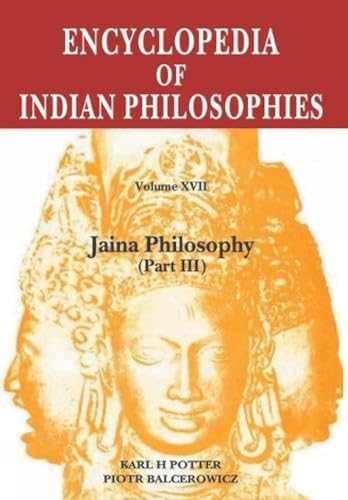
Encyclopedia of Indian Philosophies: Vol.17: Jain Philosophy: Part III
Da: Vedams eBooks (P) Ltd, New Delhi, India
Valutazione del venditore 4 su 5 stelle
Prima edizione
EUR 47,50
Spedizione EUR 17,50
Spedito da India a U.S.A.Quantità: 1 disponibili
Aggiungi al carrelloHardcover. Condizione: New. Condizione sovraccoperta: New. 1st Edition. Contents: 1. Introduction. 2. Summaries of works. Bibliography. Glossary. Index. Volume Seventeen concludes the series of the Encyclopedia dealing with jain philosophy (Volumes 10,14 and 17) bringing its development to the present day. In his Introduction, Piotr Balcerowicz provides a formalized classification of the basics of the Jain theory of seven-fold modal description (saptabhangi or syadvada), which, as he explains. "gives a complete account of all perspectives relevant in the verbal description of a thing. (jacket).
-
Karl Pomeroy Harington - An Autobiography. First Limited Edition, 1975
Lingua: Inglese
Editore: Thomas Todd Company
Da: White Mountains, NH Books and Maps, Lincoln, NH, U.S.A.
Valutazione del venditore 4 su 5 stelle
No Binding. Condizione: Near Fine. Photos (illustratore). VG+ in the original glassine DJ, edge worn/chipped. With an article about Karl & ad for the book from 'The Diamond', Winter, 1975. #39 of 300 copies.
-
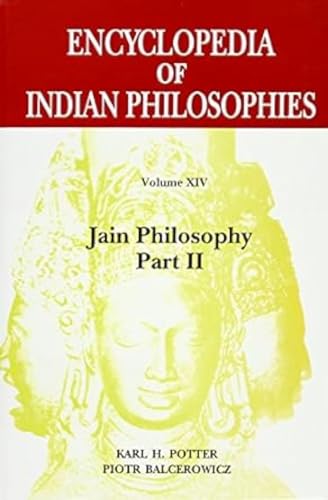
Encyclopedia of Indian Philosophies: Vol. 14: Jain Philosophy Part II
Da: Vedams eBooks (P) Ltd, New Delhi, India
Valutazione del venditore 4 su 5 stelle
Prima edizione
EUR 50,89
Spedizione EUR 17,50
Spedito da India a U.S.A.Quantità: 1 disponibili
Aggiungi al carrelloHardcover. Condizione: New. Condizione sovraccoperta: New. 1st Edition. Contents: Introduction. Works: 1. Kakuda Suri. 2. Parsvanaga. 3. Vardhamana Suri. 4. Sivasarman. 5. Madhavacandra Traividya. 6. Devagupta Suri or Jinacandra Gani. 7. Padmasimha. 8. Prabhacandra. 9. Vadiraja Suri. 10. Pradyumna Suri. 11. Ramasena/Nagasena. 12. Jinesvara. 13. Nemisadhu. 14. Ananda Suri. 15. Maladharin Abhayadeva Suri. 16. Santi Suri. 17. Anantavirya. 18. Bhaskaranandin. 19. Subhacandra. 20. Paramananda. Covering Jaina philosophy from where volume Ten left off toward the end of the tenth century, this volume covers 355 works of 99 Jain philosophers who lived between 1000 and 1300 A.D. The names of a number of famous Jaina authors are covered in the list along with summaries of many of their works. Piotr Balcerowicz article on the Jaina theory of viewpoints or perspective naya which introduces this volume, shows how that theory, set forth in the famous account of seven fold predication Saptapadarthi, avoids skepticism, contradiction, or violation of the law of excluded middle, while presenting a plausible, if complex, way of gauging reality. (jacket).
-
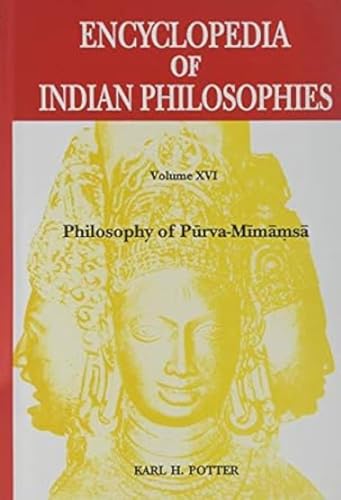
Encyclopedia of Indian Philosophies: Vol. XVI: Philosophy of Purva-Mimamsa
Libro 12 di 12: Encyclopedia of Indian PhilosophiesDa: Vedams eBooks (P) Ltd, New Delhi, India
Valutazione del venditore 4 su 5 stelle
Prima edizione
EUR 53,83
Spedizione EUR 17,50
Spedito da India a U.S.A.Quantità: 1 disponibili
Aggiungi al carrelloHardcover. Condizione: New. Condizione sovraccoperta: New. 1st Edition. Contents: 1. Introduction. 2. Summaries of works: arranged chronologically. Bibliography. Glossary. Index. This Volume deals with the philosophies of Purva Mimamsa, one of two schools of Mimamsa traditionally considered systems of Hindu philosophical thought. 'Mimamsa', as used classically, has among its meanings that of an "exploration" or "investigation" of something. In the context of early Vedic thought, it can mean specifically a theory governing the origins, basic values, and assumptions about man, in particular about the type of actions a human should or should not perform, as suggested and sometimes spelled out in the Vedas. The Vedas, the oldest extant literature of what is now considered Hinduism, generated a vast literature of their own. Some of this passed down to us in the form of brief pronouncements called sutras, which were presumably meant for memorization and were not always independently intelligible. These sutras in turn generated explanatory commentaries, and commentaries upon commentaries. The basic sutras of what came to be the Purva Mimamsa system were known as the Mimamsa-sutras or Purvamimamsasutras ('Purva' since another set of literature expounding a different understanding of ultimate things came to be recognized also as Mimamsa, specifically "Uttara" or later Mimamsa.) Initially the Purva Mimamsa had no special recognition of the subject matter of philosophy as understood in these volumes of our Encyclopedia, and would not warrant treatment as Indian philosophy in other systems developed ideas concerning the assumptions of rebirth, transmigration, and the possibility of attainment of final liberation, Purva Mimamsa also developed a philosophical system in response, beginning with further commentaries on their sutras and proceeding on to independent works, comprising a collection of texts which constitutes the philosophy being studied in the present Volume. (jacket).
-

Encyclopedia of Indian Philosophies: Vol. XV: Bhedabheda and Dvaitadvaita Systems
Da: Vedams eBooks (P) Ltd, New Delhi, India
Valutazione del venditore 4 su 5 stelle
Prima edizione
EUR 54,28
Spedizione EUR 17,50
Spedito da India a U.S.A.Quantità: 1 disponibili
Aggiungi al carrelloHardcover. Condizione: New. Condizione sovraccoperta: New. 1st Edition. All too frequently the term Vedanta is used when what is meant, whether recognized or not, is Advaita Vedanta and more specifically, the philosophical system associated with Sankaracarya. Yet in fact Vedanta, literally meaning "the concluding portions of the Veda", i.e., the Upanisads, is properly used in Indian philosophy to designate those systems that take such texts as the Upanisads authoritatively along with a few others such as the Brahmasutras, alternatively known as the Vedantasutras. There are a goodly number of philosophical systems, other than Sankara's, that fall into the classification of Vedanta systems, many of them virtually unknown to most students. The names of many of the Vedanta systems derive from their respective theories concerning the relation between Brahman, celebrated in the Upanisads as the highest principle, and Atman, the individual self. Advaita argues these are identical, non-different (abheda); Dvaita says they are completely different (bheda). Other Vedantic systems resist these extremes and argue that the relation between Brahman and self is one of identity-in-difference (bhedabheda). The best-known such system is the Visistadvaita system of Ramanuja and the Srivaisnavas, but there are many others. Here in this Volume the literature of several others of this bhedabheda persuasion-those associated with the names of Bhartr-prapanca, Bhaskara and Srikantha-are explored.
-
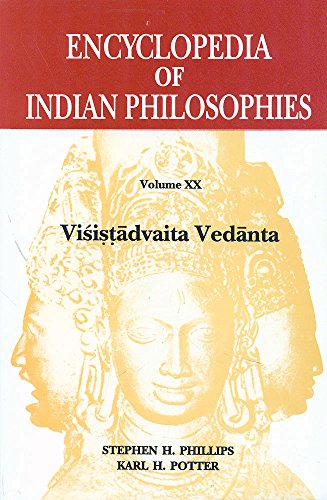
Encyclopedia of Indian Philosophies: Vol. XX: Visistadvaita Vedanta
Da: Vedams eBooks (P) Ltd, New Delhi, India
Valutazione del venditore 4 su 5 stelle
EUR 57,67
Spedizione EUR 17,50
Spedito da India a U.S.A.Quantità: 1 disponibili
Aggiungi al carrelloHardcover. Condizione: As New. Contents: I. Introduction. II. Summaries of works. 1. Bodhayana. 2. Nathamuni (824-924). 3. Pundarikaksacarya (826-931). 4. Ramamisra (832-937). 5. Ramarya (1000). 6. Yamuna (Acarya) (916-1021). 78. Ramanuja (Acarya) (1017-1137). 8. Srivacsanka Misra or Kuresa (1010-1116). 9. Vangi Vangesvara (1130). 10. Arulala Perumal Emberumanar (1130). 11. Varada Visnu Misra (1130). 12. Parasara Bhatta or Sri Ranganath (1037-1137). 13. Srirama Misra or Somayaji Andan (1094-1150). 14. Varada Narayana Bhattaraka (1150). 15. Narayana Muni (1160). 16. Kuranarayana Jiyar (1160). 17. Ramamisra Desika (1160). 18. Kurukesa or Tirukkuruhaipairam Pillai (1061-1161). 19. Varadaraja Pandita (1170). 20. (Sri) Visnucitta (1106-1206). 21. Nanjiyar (1113-1208). 22. Narayanarya (1220). 23. Senesvaracarya (1250). 24. Nampillai (1147-1252). 25. Periyavaccan Pillai (1167-1262). 26. Vatsya Varada (1200-1290). 27. Rangaraja Yajvan (1290). 28. Atreya Ramanuja (1221-1295). 29. Saumyajamatrmuni/Alagiya Manavala Jiyar (1290). 30. Sundarsana Suri (1300). 31. Grdhrasaromuni (13th c.). 32. Abhiramavara or Alagiya Manavala Perumal. 33. Meghanadari Suri (1310). 34. Nayanar Accan Pillai (1220-1310). 35. Lokacarya Pillai (1205-1311). 36. Vedanta Desika (1268-1369). 37. Kumara Vedanta Desika or Varadacarya or Nainaracarya (1316-1401). 38. Partivadi Bhayankara Annan (acarya). 39. Srinivasadasa (1370). 40. Brahmatantra Svatantra Svamin (1286-1386). 41. Viraraghava Dasa or Varadavisnu Suri (1400). 42. Manavalamamuni or Varavaramuni (1370-1443). 43. Kuranarayana (1459). 44. Narayana Muni or Sasti Prabandha Nirmata (1458-1473). 45. Campekesa (Acarya) (1500). 46. Sasti Parankusa Yati (1499-1513). 47. Vadhula Srinivasacarya or Mahacarya or Periyopadesaka (1480-1550). 48. Rangaraja Yajvan or Saumyajamatrnuni or Abhiramavara (1540). 49. Srinivasa Sathakopa Yati (1550). 50. Sundararaja Desika (1550). 51. Govindaraja (1550). 52. Ahobala Suri (1565). 53. (Srinivasa) Parakala Yati or Kumbhakonam Tatacarya (1520-1580). 54. Appayya Diksita (1520-1593). 55. (Suddhasattva) Laksmanacarya (1590). 56. Mahacarya or Ramanujadasa or Doddayacarya (1509-1591). 57. Kasturi Rangacarya or Ramanujadasa or Kausika Desikacarya (1509-1591). 58. Sribhasyam Srinivasa (1520-1590). 59. Saumyopayantrsuri (1600). 60. Nrsimha (1540-1600). 61. Srinivasa (1600). 62. Sudarsana Guru (1600). 63. Samaragupta or Samarapungava (1540-1620). 64. Rangaramanuja (1550-1630). 65. Varavaraguru or Srinivasa or Ranganatha Suri (1630). 66. Saksatsvamin or Vedanta Ramanuja Mahadesika (1700). 67. Narayana Muni or Varadacarya (1700). 68. Srinivasa Tatacarya (or Tatarya I) (1540-1590). 69. Govinda Guru (1720). 70. (Vatsya) Nrsimhadeva (1740). 71. (Surapuram) Venkatacarya (mid-18th c.). 72. (Surapuram) Annayacarya (mid-18th c.). 73. (Surapuram or Sathamarsana) Srinivasacarya (mid-18th c.). 74. Vatsya Vedantacarya (1750). 75. Srinivasa Srisailayogin (1750). 76. Raghavacarya (1750). 77. Viraraghavacarya Balasarasvati (1750). 78. Srinivasa Samghridasa (1755). 79. Gopaladesika or Tirukudanta Desika (1755). 80. (Sribhasya) Srinivasa (1755). The most famous name associated with the Visistadvaita philosophy of the Srivaisnavas is Ramanuja (1017-1137). The present volume of this Encyclopedia summarizes Ramanuja's philosophical writings, along with providing summaries and other information about the philosophical works of 134 other authors of the Visistadvaita system, both prior and posterior to Ramanuja (jacket).
-

Encyclopedia of Indian Philosophies : Vol.21: Buddhist Philosophy from 600 to 750 A.D.
Lingua: Inglese
Editore: Motilal Banarsidass Publishers, 2017
ISBN 10: 8120841204 ISBN 13: 9788120841208
Da: Vedams eBooks (P) Ltd, New Delhi, India
Valutazione del venditore 4 su 5 stelle
EUR 57,67
Spedizione EUR 17,50
Spedito da India a U.S.A.Quantità: 1 disponibili
Aggiungi al carrelloHardcover. Condizione: New. Contents: I. Introduction. II. Summaries of works: (Arranged chronologically): 1. Prthvibandhu (600). 2. Candragomin (600). 3. Bahuleya (600). 4. Candrakirti (610). 5. A.U. (610), Dharanisamuccaya. 6. A.U. (610) Nandimitravadanasutra. 7. A.U. (610) Mandalasutra. 8. A.U. (610), Aryatathagatanambuddhaksetragunokta dharmaparyayasutra. 9. A.U. (610) Pratityasamutpadavibhasanirdesasutra. 10. Dharmakirti (610). 11. A.U. (615), Prasantaviniscayapratiharya (Samadhi) sutra. 12. A.U. (620), Ghanavyuhasutra. 13. A.U. (635), Manjusripariprcchasutra. 14. A.U. (640), Tathagatapratibimbapratisthanasamsa sutra. 15. A.U. (643), Srimatibrahmanipariprcchasutra. 16. A.U. (650), Parimitagunanusamsadharanisutra. 17. Avalokitavrata (650), Prajnapradipa-tika. 18. A.U. (651), Dirghanakhaparivrajakapariprcchasutra. 19. A.U. (651), Sarvatathagatadhisthanasattvalokanabuddha ksetrasandarsanavyuharaja (dharani) sutra. 20. A.U. (651), Bhadrakaratrisutra. 21. A.U. (651), Anityatasutra. 22. A.U. (654), Catuskanirharasutra. 23. A.U. (655), (Rasmi) Vimalavisuddhaprabhadharanisutra. 24. A.U. (655), Ekaksarabuddhosnaka. 25. A.U. (655), Sarvadharmagunavyuharajasutra. 26. A.U. (658), Ksitigarbhapranidhanasutra. 27. A.U. (658), Caityapradaksinagathasutra. 28. A.U. (660), Arsaprasamanasutra. 29. A.U. (663), Trisamvaranirdesasutra. 30. A.U. (660), Anantamukhaparisodhananirdesa-parivartasutra.31. A.U. (660), Aksobyatathagata (sya) vyuhasutra. 32. A.U. (660), Varmavyuhanirdesasutra. 33. A.U. (660), Rasmisamatamuktanirdesasutra. 34. A.U. (660), Mahapratiharyanirdesasutra. 35. A.U. (660), Adhyasayasancodanasutra. 36. A.U. (660), Gangottarapariprcchasutra (Chang). 37. A.U. (660), Gunaratnasamkusumitaparipracchasutra. 38. A.U. (660), Acintyabuddhavisayanirdesasutra. 39. A.U. (660), Darikavimalasraddhapariprcchasutra. 40. A.U. (660), Nilakantha (ka) sutra. 41. Devendrabuddhi (670), Pramanavarttika Panjika. 42. A.U. (676), Susiddhikarapujavidhi. 43. A.U. (682) , Mahabalavajrakrodhasutra. 44. Srigupta (689), Tattvavataravrtti (Ruegg). 45. Asvabhava (690), Alokamala Tika. 46. Santideva (690). 47. Aryasura (700), Paramitasamasa (Meadows). 48. Jayaraksita (700), sphutartha-srighanacarasamgraha tika. 49. A.U. (703), Sarvatathagatatattvasamgrahasutra. 50. Sakyabuddhi (710), Pramanavarttikapanjika tika. 51. A.U. (720), Gaganaganjapripariprcchasutra. 52. A.U. (720), Usnisacakravartitantrasutra. 53. Jnanagarbha (720). 54. Subhagupta (740). 55. (Bhatta) Arcata (740), Hetubindu-tika (Sanghvi). 56. Jinendrabuddhi (745), Pramanasamuccaya Visalamalavati. Bibliography. Glossary. Index.
-

Encyclopedia of Indian Philosophies, Vol. XI : Advaita Vedanta from 800 to 1200 (Reprint)
Da: Vedams eBooks (P) Ltd, New Delhi, India
Valutazione del venditore 4 su 5 stelle
EUR 57,67
Spedizione EUR 17,50
Spedito da India a U.S.A.Quantità: 2 disponibili
Aggiungi al carrelloHardcover. Condizione: New. Contents: 1. Introduction. 2. Summaries of works. Endnotes. Glossary-index. "This is the second volume of this Encyclopedia devoted to Advaita Vedanta. It takes up the history of that movement from where volume three of this Encyclopedia left off, and covers the literature from Vacaspati Misra in the tenth century of Citsukha scholar from around the world, both living and dead. In the introduction the editor reviews a contentious issue among contemporary Advaita scholars concerning the accuracy of the interpretations of Samkara's intentions found in the writings of the various schools (Bhamati, Vivarana, and Suresvara's) that developed subsequent to Samkara's lifetime." (jacket).
-
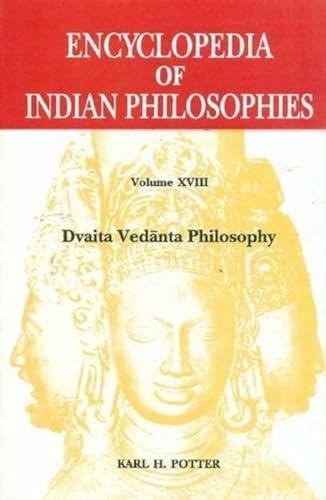
Encyclopedia of Indian Philosophies: Vol. XVIII : Dvaita Vedanta Philosophy
Da: Vedams eBooks (P) Ltd, New Delhi, India
Valutazione del venditore 4 su 5 stelle
EUR 57,67
Spedizione EUR 17,50
Spedito da India a U.S.A.Quantità: 1 disponibili
Aggiungi al carrelloHardcover. Condizione: As New. Contents: Preface. I. Introduction. II. Summaries of works: 1. Madhva. 2. Trivikrama Panditacarya (1258-1320). 3. Samkaracarya (1320). 4. Padmanabha Tirtha (1318-1324). 5. Narahari Tirtha (1324-1333). 6. Narayana Panditacarya (1335). 7. Traivikramaryadasa (1355). 8. Aksobhya Tirtha (1350-1365). 9. Jayatirtha (1330-1388). 10. Vyasatirtha (1400). 11. Vidyadhiraja (1388-1412). 12. Visnudasacarya (1390-1440). 13. Sripadaraja (1420-1487). 14. Vyasaraya (1478-1539). 15. Vijayindra Tirtha (1514-1595). 16. Vadiraja (1500-1595). 17. Raghuttama Yati (1557-1596). 18. Anandatirtha (1600). 19. Anandabhttaraka (1535-1605). 20. Vedesa Bhiksu of Tirtha (1570-1620). 21. Rotti Venkatabhatta Upadhyaya (1620). 22. Visvapati Tirtha (1510-1620). 23. Ramacarya (Vyasa) (1550-1620). 24. Yadupati (1580-1630). 25. Kambalu Ramacandra Tirtha (1575-1635). 26. Visvesvara Tirtha (1580-1640). 27. Niyamananda (1640). 28. Sarkara Srinivasa (1590-1640). 29. Satyanidhi Tirtha (1638-1648). 30. Appanacarya Sunu (1650). 31. Vidyadhisa Tirtha (1600-1650). 32. Gauda Purnananda Cakravartin (1650). 33. Janardana Bhatta (1650). 34. Prurusottama (1650). 35. Pandurangi Kesavacarya or Gururaja (1605-1660). 36. Prahlada Krsnacarya (1660). 37. Bidarahalli Srinivasa (1600-1660). 38. Raghavendra Tirtha (1624-1671). 39. Satyanatha Yati (1648-1674). 40. Chalari Narasimhacarya (1600-1675). 41. Kaundalagiri Suri (1620-1680). 42. Chalari Sesacarya (1635-1705). 43. Satyabhinava Tirtha (1675-1706). 44. Vanamali Misra (1650-1720). 45. Sumatindranatha Tirtha (1692-1725). 46. Venidatta (Vagisa Bhatta) 1740. 47. Satyapriya Tirtha (1737-1744). 48. Raghunatha Tirtha (1700-1755). 49. Radha Damodara (1710-1760). 50. Jagannatha Tirtha (1695-1770). 51. Narasimha Yati (1780). 52. Satyavara Tirtha (1788-1794). 53. Padmanabhacarya (1750-1800). 54. Adavi Jayatirtha (1756-1806). 55. Satyadharma Tritha (1798-1830). 56. Hulugi Sriyahpatyacarya (1830). 57. Varkhedi Timmannacarya (1850). 58. Kasi Timmanna (1800-1850). 59. Anneyacarya (1850). 60. Mysore Anantacarya 1860. 61. Cochi Rangappacarya (1829-1891). 62. Subbaraya Acarya 1896. 63. Gopalakrsnacarya 1900. 64. T.R. Krsnacarya 1903. 65. Krsnavadhuta Pandita 1835-1909. 66. Gauagiri Venkata Ramacarya 1857-1931. 67. Satyadhyana Tirtha 1913-1942. 68. Satyapramoda Tirtha 1961. 69. Vidyamanya Tirtha 1961. 70. K.T. Pandurangi (Contemp.). 71. Eri Balacarya (2001). Bibliography. Glossary. Index. Madhva the founding figure of the Dvaita system of philosophy, states the major tenets of his philosophical system in a nutshell in his Mahabharata-tatparyanirnaya 1.70-71: The flow of the world is real together with its five fold difference: 1. The difference between God and jivas (i.e. the individual selves); 2. The mutual differences (s) among the jivas; 3. The difference (s) between God and jada (i.e. inert) objects; 4. The mutual differences (s) among the jada objects; 5. The difference between the jada objects and the individual selves. These differences are permanent and will continue forever. These differences will continue ever after liberation. The hierarchy of the jivas will also continue even after liberation. Madhva's is the first of those systems labeled "Vedanta" to espouse such a sweeping set of distinct kinds of real entities. Notably, the Advaita system of Samkara denied any differences at all, labelling all such distinctions at best anirvacaniya, impossible to speak of consistently. Madhava's passage, quoted above, states his disagreement with such a position in as extreme terms as is possible. Besides forming an importance school of thought in its own right, Madhva provided the backdrop to the "modern period of Indian thought in which even the importance of liberation and the basic assumptions concerning it came into question (jacket).
-

Encyclopedia of Indian Philosophies Vol. 25: Nyaya-Vaisesika in Recent Times
Da: Vedams eBooks (P) Ltd, New Delhi, India
Valutazione del venditore 4 su 5 stelle
Prima edizione
EUR 61,51
Spedizione EUR 17,50
Spedito da India a U.S.A.Quantità: 1 disponibili
Aggiungi al carrelloHardcover. Condizione: New. 1st Edition. As Indian Philosophy researches modern times, the contributions being made are not only in the Sanskrit but in Hindi, Tamil, etc., as well as Western languages, mainly English. This volume's coverage is limited to the works in Sanskrit that continue the classical tradition, although their authors include many who taught at British-founded institutions or served in traditions asramas and tols.
-
Encyclopedia of Indian Philosophies: Vol. 23: Suddhadvaita Vedanta Philosophy
Da: Vedams eBooks (P) Ltd, New Delhi, India
Valutazione del venditore 4 su 5 stelle
Prima edizione
EUR 61,51
Spedizione EUR 17,50
Spedito da India a U.S.A.Quantità: 1 disponibili
Aggiungi al carrelloHardcover. Condizione: New. 1st Edition. Vallabhacarya, the founder of Suddhadvaita Vedanta, is less known outside of India than founders of other Indian philosophical schools. He is among the latest (1473-1532) to found a wel-known Vedanta school. Although devotion (bhakti) is of central importance in his system, this by no means implies a lack of philosophical acumen on his part or among his followers. The school produced many works of philosophical analysis, and we may count among Vallabhacarya's followers a master of philosophical analysis, Purusottama, of the eighteenth century. Purusottama is one of the most prolific authors in the history of Indian philosophy. Over seventy of his important works are treated in this volume, and he probably wrote one hundres more.