Importo totale (1 articolo articoli):
Destinazione ordine:

jameux (139 risultati)
Vai alla pagina principale dei risultati di ricerca
Filtri di ricerca
Tipo di articolo
- Tutti i tipi di prodotto
- Libri (137)
- Riviste e Giornali (Nessun altro risultato corrispondente a questo perfezionamento)
- Fumetti (Nessun altro risultato corrispondente a questo perfezionamento)
- Spartiti (2)
- Arte, Stampe e Poster (Nessun altro risultato corrispondente a questo perfezionamento)
- Fotografie (Nessun altro risultato corrispondente a questo perfezionamento)
- Mappe (Nessun altro risultato corrispondente a questo perfezionamento)
- Manoscritti e Collezionismo cartaceo (Nessun altro risultato corrispondente a questo perfezionamento)
Condizioni Maggiori informazioni
Legatura
Ulteriori caratteristiche
Lingua (3)
Spedizione gratuita
Paese del venditore
Valutazione venditore
-

Memory Palaces and Masonic Lodges: Esoteric Secrets of the Art of Memory
Da: ebooks Keystone, Reading, PA, U.S.A.
Valutazione del venditore 5 su 5 stelle

Condizione: good. This book is in good condition, with minimal signs of wear and tear.
-

Memory Palaces and Masonic Lodges : Esoteric Secrets of the Art of Memory
Da: GreatBookPrices, Columbia, MD, U.S.A.
Valutazione del venditore 5 su 5 stelle
EUR 11,06
Spedizione EUR 2,32
Spedito in U.S.A.Quantità: Più di 20 disponibili
Aggiungi al carrelloCondizione: New.
-

Memory Palaces and Masonic Lodges
Lingua: Inglese
Editore: Inner Traditions Bear and Company, US, 2019
ISBN 10: 1620557886 ISBN 13: 9781620557884
Paperback. Condizione: New. Reveals how the art of memory is the origin of the Masonic method In Antiquity, the art of memory was a mnemonic device that allowed an orator, such as Cicero, to recall all the points he wished to make by associating each of them with an image or architectural element in the site he was speaking. When this art was rediscovered in the Renaissance, hermetic thinkers like Giordano Bruno reworked it into a method that allowed them to acquire knowledge with the creation of "memory palaces." The elements of these memory palaces were not intended to trigger the memory but would actually transform into talismanic objects with knowledge entirely new to the seeker. In this book, Charles B. Jameux shows that this hermetic reworking of the classical art of memory was no mystery to operative Masons, who grafted it onto their own rituals, catalyzing the transformation of operative Masonry into speculative Masonry. He shows how the hieroglyphic writing used during the Renaissance in the art of memory provided the groundwork for one of the most esoteric elements of masonic practice: the grasp of the realm of image by the letter, where symbols were "buried" within words. Using archival evidence from 17th-century Scotland and earlier, combined with the research of modern scholars such as Frances Yates and David Stevenson, Jameux argues that the creation of speculative Freemasonry can be traced back 100 years earlier than conventional history records--to 1637, when the first recorded use of the Mason's Word appeared and with it, the first known appearance of the symbolic Temple of Solomon. He follows Giordano Bruno's visit to the British Isles in the late 16th century and the subsequent activities of the men he met there, showing that Masonic symbolism owes much of its current form to early memory palaces, which represented the Masonic lodge and temple in their fully imaginary states. Revealing the pivotal role of the memory palace and hermetic traditions in early Masonic symbolism, Jameux sheds new light on the Masonic questions asked of each initiate and the spiritual importance of the Temple of Jerusalem to Freemasonry.
-

Memory Palaces and Masonic Lodges: Esoteric Secrets of the Art of Memory
Da: Magers and Quinn Booksellers, Minneapolis, MN, U.S.A.
Valutazione del venditore 5 su 5 stelle
paperback. Condizione: New. Brand New.
-

Memory Palaces and Masonic Lodges : Esoteric Secrets of the Art of Memory
Da: GreatBookPrices, Columbia, MD, U.S.A.
Valutazione del venditore 5 su 5 stelle
EUR 11,52
Spedizione EUR 2,32
Spedito in U.S.A.Quantità: Più di 20 disponibili
Aggiungi al carrelloCondizione: As New. Unread book in perfect condition.
-
EUR 13,92
Spedizione gratuita
Spedito in U.S.A.Quantità: Più di 20 disponibili
Aggiungi al carrelloCondizione: As New. Unread copy in mint condition.
-
EUR 14,00
Spedizione gratuita
Spedito in U.S.A.Quantità: Più di 20 disponibili
Aggiungi al carrelloCondizione: New. Brand New.
-

Memory Palaces and Masonic Lodges
Lingua: Inglese
Editore: Inner Traditions Bear and Company, US, 2019
ISBN 10: 1620557886 ISBN 13: 9781620557884
Da: Rarewaves.com USA, London, LONDO, Regno Unito
Valutazione del venditore 5 su 5 stelle
EUR 14,25
Spedizione gratuita
Spedito da Regno Unito a U.S.A.Quantità: Più di 20 disponibili
Aggiungi al carrelloPaperback. Condizione: New. Reveals how the art of memory is the origin of the Masonic method In Antiquity, the art of memory was a mnemonic device that allowed an orator, such as Cicero, to recall all the points he wished to make by associating each of them with an image or architectural element in the site he was speaking. When this art was rediscovered in the Renaissance, hermetic thinkers like Giordano Bruno reworked it into a method that allowed them to acquire knowledge with the creation of "memory palaces." The elements of these memory palaces were not intended to trigger the memory but would actually transform into talismanic objects with knowledge entirely new to the seeker. In this book, Charles B. Jameux shows that this hermetic reworking of the classical art of memory was no mystery to operative Masons, who grafted it onto their own rituals, catalyzing the transformation of operative Masonry into speculative Masonry. He shows how the hieroglyphic writing used during the Renaissance in the art of memory provided the groundwork for one of the most esoteric elements of masonic practice: the grasp of the realm of image by the letter, where symbols were "buried" within words. Using archival evidence from 17th-century Scotland and earlier, combined with the research of modern scholars such as Frances Yates and David Stevenson, Jameux argues that the creation of speculative Freemasonry can be traced back 100 years earlier than conventional history records--to 1637, when the first recorded use of the Mason's Word appeared and with it, the first known appearance of the symbolic Temple of Solomon. He follows Giordano Bruno's visit to the British Isles in the late 16th century and the subsequent activities of the men he met there, showing that Masonic symbolism owes much of its current form to early memory palaces, which represented the Masonic lodge and temple in their fully imaginary states. Revealing the pivotal role of the memory palace and hermetic traditions in early Masonic symbolism, Jameux sheds new light on the Masonic questions asked of each initiate and the spiritual importance of the Temple of Jerusalem to Freemasonry.
-
Memory Palaces and Masonic Lodges (Paperback)
Lingua: Inglese
Editore: Inner Traditions Bear and Company, Rochester, 2019
ISBN 10: 1620557886 ISBN 13: 9781620557884
Da: Grand Eagle Retail, Bensenville, IL, U.S.A.
Valutazione del venditore 5 su 5 stelle
Paperback. Condizione: new. Paperback. Reveals how the art of memory is the origin of the Masonic method Explains the classical techniques of the art of memory, how they were reworked by hermetic thinkers during the Renaissance, and how they contributed to the transformation of operative Freemasonry into speculative Freemasonry Traces the creation of speculative Freemasonry to 1637, one hundred years earlier than previously thought Explores how the memory palaces created with the art of memory enabled access to universal knowledge as well as represented the Masonic temple in its imaginary state In Antiquity, the art of memory was a mnemonic device that allowed an orator, such as Cicero, to recall all the points he wished to make by associating each of them with an image or architectural element in the site he was speaking. When this art was rediscovered in the Renaissance, hermetic thinkers like Giordano Bruno reworked it into a method that allowed them to acquire knowledge with the creation of memory palaces. The elements of these memory palaces were not intended to trigger the memory but would actually transform into talismanic objects with knowledge entirely new to the seeker. In this book, Charles B. Jameux shows that this hermetic reworking of the classical art of memory was no mystery to operative Masons, who grafted it onto their own rituals, catalyzing the transformation of operative Masonry into speculative Masonry. He shows how the hieroglyphic writing used during the Renaissance in the art of memory provided the groundwork for one of the most esoteric elements of masonic practice: the grasp of the realm of image by the letter, where symbols were buried within words. Using archival evidence from 17th-century Scotland and earlier, combined with the research of modern scholars such as Frances Yates and David Stevenson, Jameux argues that the creation of speculative Freemasonry can be traced back 100 years earlier than conventional history records--to 1637, when the first recorded use of the Masons Word appeared and with it, the first known appearance of the symbolic Temple of Solomon. He follows Giordano Brunos visit to the British Isles in the late 16th century and the subsequent activities of the men he met there, showing that Masonic symbolism owes much of its current form to early memory palaces, which represented the Masonic lodge and temple in their fully imaginary states. Revealing the pivotal role of the memory palace and hermetic traditions in early Masonic symbolism, Jameux sheds new light on the Masonic questions asked of each initiate and the spiritual importance of the Temple of Jerusalem to Freemasonry. Reveals how the art of memory is the origin of the Masonic method Shipping may be from multiple locations in the US or from the UK, depending on stock availability.
-

EUR 2,85
Spedizione EUR 10,00
Spedito da Germania a U.S.A.Quantità: 1 disponibili
Aggiungi al carrelloCondizione: very good. Gut/Very good: Buch bzw. Schutzumschlag mit wenigen Gebrauchsspuren an Einband, Schutzumschlag oder Seiten. / Describes a book or dust jacket that does show some signs of wear on either the binding, dust jacket or pages.
-
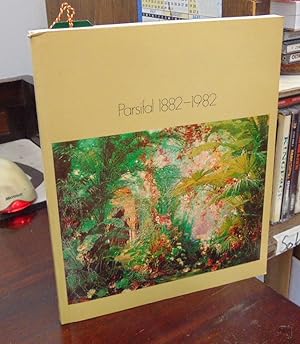
Parsifal, 1882-1982: Une documentation illustree
Editore: Geneve: Grande Theatre du Geneve, 1982, 1982
Da: Atlantic Bookshop, Brooklyn, NY, U.S.A.
Valutazione del venditore 5 su 5 stelle
Prima edizione
Soft cover. Condizione: Good. 1st Edition. 4to, card covers, 131pp., ills. Good: mildly soiled, mildly rubbed covers with a bump to the head of the spine; solid binding; clean text; bookmark attached to a late leaf.
-

EUR 6,18
Spedizione EUR 10,00
Spedito da Germania a U.S.A.Quantità: 1 disponibili
Aggiungi al carrelloCondizione: very good. Gut/Very good: Buch bzw. Schutzumschlag mit wenigen Gebrauchsspuren an Einband, Schutzumschlag oder Seiten. / Describes a book or dust jacket that does show some signs of wear on either the binding, dust jacket or pages.
-

Pierre Boulez
Lingua: Inglese
Editore: Faber & Faber, Incorporated, 1991
ISBN 10: 057113744X ISBN 13: 9780571137442
Da: Better World Books, Mishawaka, IN, U.S.A.
Valutazione del venditore 5 su 5 stelle
Condizione: Good. Pages intact with minimal writing/highlighting. The binding may be loose and creased. Dust jackets/supplements are not included. Stock photo provided. Product includes identifying sticker. Better World Books: Buy Books. Do Good.
-

Réflexions sur la réalité en philosophie: La pensée empiricale versus la pensée transcendentale (Ouverture Philosophique) (French Edition)
Da: California Books, Miami, FL, U.S.A.
Valutazione del venditore 4 su 5 stelle

EUR 19,00
Spedizione gratuita
Spedito in U.S.A.Quantità: Più di 20 disponibili
Aggiungi al carrelloCondizione: New.
-
Memory Palaces and Masonic Lodges: Esoteric Secrets of the Art of Memory
Da: Revaluation Books, Exeter, Regno Unito
Valutazione del venditore 5 su 5 stelle
EUR 13,78
Spedizione EUR 11,73
Spedito da Regno Unito a U.S.A.Quantità: 2 disponibili
Aggiungi al carrelloPaperback. Condizione: Brand New. 128 pages. 9.00x6.00x0.50 inches. In Stock.
-
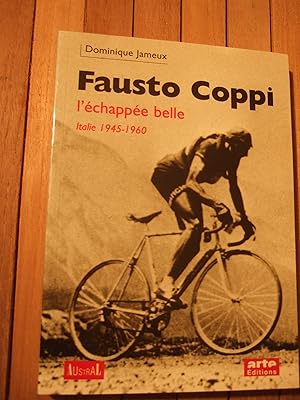
Fausto Coppi : L'échappée belle, Italie 1945-1960
Lingua: Francese
Editore: Austral/arte Editions, Paris, 1996
EUR 10,00
Spedizione EUR 9,00
Spedito da Francia a U.S.A.Quantità: 1 disponibili
Aggiungi al carrelloCouverture souple. Condizione: Tres Bon Etat. 185 pp. Format: 14x20 - Il fut certainement le plus grand parmi les grand.
-
Pierre Boulez
Lingua: Inglese
Editore: Faber & Faber, Incorporated, 1991
ISBN 10: 057113744X ISBN 13: 9780571137442
Da: Better World Books Ltd, Dunfermline, Regno Unito
Valutazione del venditore 5 su 5 stelle
EUR 20,60
Spedizione EUR 5,86
Spedito da Regno Unito a U.S.A.Quantità: 1 disponibili
Aggiungi al carrelloCondizione: Good. Former library copy. Pages intact with minimal writing/highlighting. The binding may be loose and creased. Dust jackets/supplements are not included. Includes library markings. Stock photo provided. Product includes identifying sticker. Better World Books: Buy Books. Do Good.
-
Memory Palaces and Masonic Lodges: Esoteric Secrets of the Art of Memory
Lingua: Inglese
Editore: Inner Traditions Bear and Company, 2019
ISBN 10: 1620557886 ISBN 13: 9781620557884
Da: Kennys Bookshop and Art Galleries Ltd., Galway, GY, Irlanda
Valutazione del venditore 5 su 5 stelle
EUR 15,64
Spedizione EUR 10,50
Spedito da Irlanda a U.S.A.Quantità: Più di 20 disponibili
Aggiungi al carrelloCondizione: New. 2019. Paperback. . . . . .
-
Affare
EUR 3,59
Spedizione EUR 16,50
Spedito da Francia a U.S.A.Quantità: 1 disponibili
Aggiungi al carrelloSoftcover. Condizione: Bon. Petite(s) trace(s) de pliure sur la couverture. Légères traces d'usure sur la couverture. Couverture différente. Edition 1977. Ammareal reverse jusqu'à 15% du prix net de cet article à des organisations caritatives. ENGLISH DESCRIPTION Book Condition: Used, Good. Slightly creased cover. Slight signs of wear on the cover. Different cover. Edition 1977. Ammareal gives back up to 15% of this item's net price to charity organizations.
-
Memory Palaces and Masonic Lodges: Esoteric Secrets of the Art of Memory
Lingua: Inglese
Editore: Inner Traditions 2019-08-08, 2019
ISBN 10: 1620557886 ISBN 13: 9781620557884
Da: Chiron Media, Wallingford, Regno Unito
Valutazione del venditore 5 su 5 stelle
EUR 9,21
Spedizione EUR 18,17
Spedito da Regno Unito a U.S.A.Quantità: Più di 20 disponibili
Aggiungi al carrelloPaperback. Condizione: New.
-

EUR 11,93
Spedizione EUR 8,78
Spedito da Canada a U.S.A.Quantità: 1 disponibili
Aggiungi al carrelloCondizione: Very Good. Paperback. No notes or highlights. Minor wear to edges. Used - Very Good.
-
Memory Palaces and Masonic Lodges: Esoteric Secrets of the Art of Memory
Lingua: Inglese
Editore: Inner Traditions Bear and Company, 2019
ISBN 10: 1620557886 ISBN 13: 9781620557884
Da: Kennys Bookstore, Olney, MD, U.S.A.
Valutazione del venditore 5 su 5 stelle
EUR 18,73
Spedizione EUR 9,22
Spedito in U.S.A.Quantità: Più di 20 disponibili
Aggiungi al carrelloCondizione: New. 2019. Paperback. . . . . . Books ship from the US and Ireland.
-

L'�tre en question: D�voilement du fait pur ontologique (Paperback or Softback)
Lingua: Francese
Editore: Editions L'Harmattan 5/10/2021, 2021
ISBN 10: 2343230781 ISBN 13: 9782343230788
Da: BargainBookStores, Grand Rapids, MI, U.S.A.
Valutazione del venditore 5 su 5 stelle
Paperback or Softback. Condizione: New. L'�tre en question: D�voilement du fait pur ontologique. Book.
-
Affare
EUR 5,58
Spedizione EUR 16,50
Spedito da Francia a U.S.A.Quantità: 1 disponibili
Aggiungi al carrelloSoftcover. Condizione: Très bon. Ammareal reverse jusqu'à 15% du prix net de cet article à des organisations caritatives. ENGLISH DESCRIPTION Book Condition: Used, Very good. Ammareal gives back up to 15% of this item's net price to charity organizations.
-
Affare
EUR 5,84
Spedizione EUR 16,50
Spedito da Francia a U.S.A.Quantità: 1 disponibili
Aggiungi al carrelloSoftcover. Condizione: Très bon. Ancien livre de bibliothèque. Edition 2005. Ammareal reverse jusqu'à 15% du prix net de cet article à des organisations caritatives. ENGLISH DESCRIPTION Book Condition: Used, Very good. Former library book. Edition 2005. Ammareal gives back up to 15% of this item's net price to charity organizations.
-
EUR 14,28
Spedizione EUR 15,95
Spedito da Regno Unito a U.S.A.Quantità: 1 disponibili
Aggiungi al carrelloCondizione: Fair. This is an ex-library book and may have the usual library/used-book markings inside.This book has hardback covers. Clean from markings. In fair condition, suitable as a study copy. No dust jacket. Please note the Image in this listing is a stock photo and may not match the covers of the actual item,850grams, ISBN:057113744X.
-
Memory Palaces and Masonic Lodges: Esoteric Secrets of the Art of Memory
Lingua: Inglese
Editore: Inner Traditions Bear and Company, 2019
ISBN 10: 1620557886 ISBN 13: 9781620557884
Da: THE SAINT BOOKSTORE, Southport, Regno Unito
Valutazione del venditore 5 su 5 stelle
EUR 16,15
Spedizione EUR 15,52
Spedito da Regno Unito a U.S.A.Quantità: Più di 20 disponibili
Aggiungi al carrelloPaperback / softback. Condizione: New. New copy - Usually dispatched within 4 working days.
-

Memory Palaces and Masonic Lodges : Esoteric Secrets of the Art of Memory
Da: GreatBookPricesUK, Woodford Green, Regno Unito
Valutazione del venditore 5 su 5 stelle
EUR 14,03
Spedizione EUR 17,59
Spedito da Regno Unito a U.S.A.Quantità: Più di 20 disponibili
Aggiungi al carrelloCondizione: New.
-

L'Être en question: Dévoilement du fait pur ontologique (Ouverture Philosophique) (French Edition)
Da: California Books, Miami, FL, U.S.A.
Valutazione del venditore 4 su 5 stelle
EUR 24,43
Spedizione gratuita
Spedito in U.S.A.Quantità: Più di 20 disponibili
Aggiungi al carrelloCondizione: New.
-

Hardcover. Condizione: Good. No Jacket. Pages can have notes/highlighting. Spine may show signs of wear. ~ ThriftBooks: Read More, Spend Less.