

Importo totale (1 articolo articoli):
Destinazione ordine:

joanna hambly (14 risultati)
Vai alla pagina principale dei risultati di ricerca
Filtri di ricerca
Tipo di articolo
- Tutti i tipi di prodotto
- Libri (14)
- Riviste e Giornali (Nessun altro risultato corrispondente a questo perfezionamento)
- Fumetti (Nessun altro risultato corrispondente a questo perfezionamento)
- Spartiti (Nessun altro risultato corrispondente a questo perfezionamento)
- Arte, Stampe e Poster (Nessun altro risultato corrispondente a questo perfezionamento)
- Fotografie (Nessun altro risultato corrispondente a questo perfezionamento)
- Mappe (Nessun altro risultato corrispondente a questo perfezionamento)
- Manoscritti e Collezionismo cartaceo (Nessun altro risultato corrispondente a questo perfezionamento)
Condizioni Maggiori informazioni
- Nuovo (12)
- Come nuovo, Ottimo o Quasi ottimo (2)
- Molto buono o Buono (Nessun altro risultato corrispondente a questo perfezionamento)
- Discreto o Mediocre (Nessun altro risultato corrispondente a questo perfezionamento)
- Come descritto (Nessun altro risultato corrispondente a questo perfezionamento)
Legatura
- Tutte
- Rilegato (Nessun altro risultato corrispondente a questo perfezionamento)
- Brossura (14)
Ulteriori caratteristiche
- Prima ed. (Nessun altro risultato corrispondente a questo perfezionamento)
- Copia autograf. (Nessun altro risultato corrispondente a questo perfezionamento)
- Sovracoperta (Nessun altro risultato corrispondente a questo perfezionamento)
- Con foto (4)
- Non Print on Demand (14)
Lingua (1)
Spedizione gratuita
Paese del venditore
Valutazione venditore
-
EUR 11,91
Spedizione EUR 12,73
Spedito da Regno Unito a U.S.A.Quantità: Più di 20 disponibili
Aggiungi al carrelloPaperback. Condizione: New.
-
Salt
Lingua: Inglese
Editore: John Donald Short Run Press, 2023
ISBN 10: 1910900974 ISBN 13: 9781910900970
Da: GreatBookPrices, Columbia, MD, U.S.A.
Valutazione del venditore 5 su 5 stelle

Condizione: New.
-
Salt
Lingua: Inglese
Editore: John Donald Short Run Press, 2023
ISBN 10: 1910900974 ISBN 13: 9781910900970
Da: GreatBookPrices, Columbia, MD, U.S.A.
Valutazione del venditore 5 su 5 stelle
Condizione: As New. Unread book in perfect condition.
-

EUR 29,23
Spedizione gratuita
Spedito da Regno Unito a U.S.A.Quantità: Più di 20 disponibili
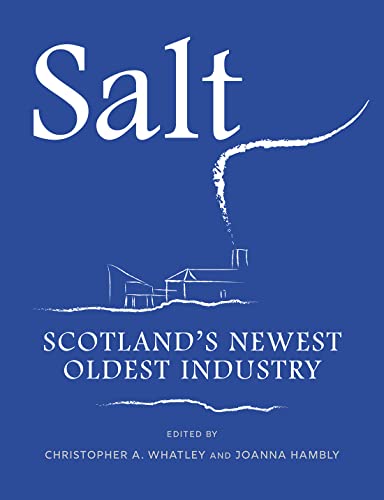
Aggiungi al carrelloPaperback. Condizione: New. Salt is a vital commodity. For many centuries it sustained life for Scots as seasoning for a diet dominated by grains (mainly oats), and for preservation of fish and cheese.Sea-salt manufacturing is one of Scotland's oldest industries, dating to the eleventh century if not earlier. Smoke- and steam-emitting panhouses were once a common sight along the country's coastline and are reflected in many of Scotland's placenames. The industry was a high-status activity, with the monarch initially owning salt pans. Salt manufacture was later organised by Scotland's abbeys and then by landowners who had access to the sea and a nearby supply of coal. As salt was an important source of tax revenue for the government, it was often a cause of conflict (and military action) between Scotland and England. The future of the industry - and the price of salt for consumers - was a major issue during negotiations around the Union of 1707.This book celebrates both the history and the rebirth of the salt industry in Scotland. Although salt manufacturing declined in the nineteenth century and was wound up in the 1950s, in the second decade of the twenty-first century the trade was revived. Scotland's salt is now a high-prestige, green product that is winning awards and attracting interest across the UK.
-
Salt (Paperback)
Lingua: Inglese
Editore: Birlinn General, Edinburgh, 2023
ISBN 10: 1910900974 ISBN 13: 9781910900970
Da: Grand Eagle Retail, Bensenville, IL, U.S.A.
Valutazione del venditore 5 su 5 stelle
Paperback. Condizione: new. Paperback. Salt is a vital commodity. For many centuries it sustained life for Scots as seasoning for a diet dominated by grains (mainly oats), and for preservation of fish and cheese.Sea-salt manufacturing is one of Scotland's oldest industries, dating to the eleventh century if not earlier. Smoke- and steam-emitting panhouses were once a common sight along the country's coastline and are reflected in many of Scotland's placenames. The industry was a high-status activity, with the monarch initially owning salt pans. Salt manufacture was later organised by Scotland's abbeys and then by landowners who had access to the sea and a nearby supply of coal. As salt was an important source of tax revenue for the government, it was often a cause of conflict (and military action) between Scotland and England. The future of the industry and the price of salt for consumers was a major issue during negotiations around the Union of 1707.This book celebrates both the history and the rebirth of the salt industry in Scotland. Although salt manufacturing declined in the nineteenth century and was wound up in the 1950s, in the second decade of the twenty-first century the trade was revived. Scotland's salt is now a high-prestige, green product that is winning awards and attracting interest across the UK. This book celebrates the history and the rebirth of the salt industry in Scotland. Although manufacturing declined in the nineteenth century and was wound up in the 1950s, in the second decade of the twenty-first century the trade was revived. Scotland's salt is now a high-prestige, award-winning green product. Shipping may be from multiple locations in the US or from the UK, depending on stock availability.
-

Paperback. Condizione: New. Salt is a vital commodity. For many centuries it sustained life for Scots as seasoning for a diet dominated by grains (mainly oats), and for preservation of fish and cheese.Sea-salt manufacturing is one of Scotland's oldest industries, dating to the eleventh century if not earlier. Smoke- and steam-emitting panhouses were once a common sight along the country's coastline and are reflected in many of Scotland's placenames. The industry was a high-status activity, with the monarch initially owning salt pans. Salt manufacture was later organised by Scotland's abbeys and then by landowners who had access to the sea and a nearby supply of coal. As salt was an important source of tax revenue for the government, it was often a cause of conflict (and military action) between Scotland and England. The future of the industry - and the price of salt for consumers - was a major issue during negotiations around the Union of 1707.This book celebrates both the history and the rebirth of the salt industry in Scotland. Although salt manufacturing declined in the nineteenth century and was wound up in the 1950s, in the second decade of the twenty-first century the trade was revived. Scotland's salt is now a high-prestige, green product that is winning awards and attracting interest across the UK.
-
Salt: Scotland's Newest Oldest Industry
Da: Revaluation Books, Exeter, Regno Unito
Valutazione del venditore 5 su 5 stelle
EUR 24,43
Spedizione EUR 14,47
Spedito da Regno Unito a U.S.A.Quantità: 2 disponibili
Aggiungi al carrelloPaperback. Condizione: Brand New. 240 pages. 9.65x7.44x0.67 inches. In Stock.
-
Salt: Scotland's Newest Oldest Industry
Da: Chiron Media, Wallingford, Regno Unito
Valutazione del venditore 5 su 5 stelle
EUR 20,99
Spedizione EUR 17,93
Spedito da Regno Unito a U.S.A.Quantità: Più di 20 disponibili
Aggiungi al carrelloPaperback. Condizione: New.
-
Salt: Scotlands Newest Oldest Industry
Da: Chiron Media, Wallingford, Regno Unito
Valutazione del venditore 5 su 5 stelle
EUR 21,80
Spedizione EUR 17,93
Spedito da Regno Unito a U.S.A.Quantità: 2 disponibili
Aggiungi al carrelloPaperback. Condizione: New.
-
Salt
Lingua: Inglese
Editore: John Donald Short Run Press, 2023
ISBN 10: 1910900974 ISBN 13: 9781910900970
Da: GreatBookPricesUK, Woodford Green, Regno Unito
Valutazione del venditore 5 su 5 stelle
EUR 23,94
Spedizione EUR 17,36
Spedito da Regno Unito a U.S.A.Quantità: 1 disponibili
Aggiungi al carrelloCondizione: New.
-
Salt
Lingua: Inglese
Editore: John Donald Short Run Press, 2023
ISBN 10: 1910900974 ISBN 13: 9781910900970
Da: GreatBookPricesUK, Woodford Green, Regno Unito
Valutazione del venditore 5 su 5 stelle
EUR 27,34
Spedizione EUR 17,36
Spedito da Regno Unito a U.S.A.Quantità: 1 disponibili
Aggiungi al carrelloCondizione: As New. Unread book in perfect condition.
-

Paperback. Condizione: New. Salt is a vital commodity. For many centuries it sustained life for Scots as seasoning for a diet dominated by grains (mainly oats), and for preservation of fish and cheese.Sea-salt manufacturing is one of Scotland's oldest industries, dating to the eleventh century if not earlier. Smoke- and steam-emitting panhouses were once a common sight along the country's coastline and are reflected in many of Scotland's placenames. The industry was a high-status activity, with the monarch initially owning salt pans. Salt manufacture was later organised by Scotland's abbeys and then by landowners who had access to the sea and a nearby supply of coal. As salt was an important source of tax revenue for the government, it was often a cause of conflict (and military action) between Scotland and England. The future of the industry - and the price of salt for consumers - was a major issue during negotiations around the Union of 1707.This book celebrates both the history and the rebirth of the salt industry in Scotland. Although salt manufacturing declined in the nineteenth century and was wound up in the 1950s, in the second decade of the twenty-first century the trade was revived. Scotland's salt is now a high-prestige, green product that is winning awards and attracting interest across the UK.
-
Salt (Paperback)
Lingua: Inglese
Editore: Birlinn General, Edinburgh, 2023
ISBN 10: 1910900974 ISBN 13: 9781910900970
Da: AussieBookSeller, Truganina, VIC, Australia
Valutazione del venditore 5 su 5 stelle
EUR 53,62
Spedizione EUR 32,11
Spedito da Australia a U.S.A.Quantità: 1 disponibili
Aggiungi al carrelloPaperback. Condizione: new. Paperback. Salt is a vital commodity. For many centuries it sustained life for Scots as seasoning for a diet dominated by grains (mainly oats), and for preservation of fish and cheese.Sea-salt manufacturing is one of Scotland's oldest industries, dating to the eleventh century if not earlier. Smoke- and steam-emitting panhouses were once a common sight along the country's coastline and are reflected in many of Scotland's placenames. The industry was a high-status activity, with the monarch initially owning salt pans. Salt manufacture was later organised by Scotland's abbeys and then by landowners who had access to the sea and a nearby supply of coal. As salt was an important source of tax revenue for the government, it was often a cause of conflict (and military action) between Scotland and England. The future of the industry and the price of salt for consumers was a major issue during negotiations around the Union of 1707.This book celebrates both the history and the rebirth of the salt industry in Scotland. Although salt manufacturing declined in the nineteenth century and was wound up in the 1950s, in the second decade of the twenty-first century the trade was revived. Scotland's salt is now a high-prestige, green product that is winning awards and attracting interest across the UK. This book celebrates the history and the rebirth of the salt industry in Scotland. Although manufacturing declined in the nineteenth century and was wound up in the 1950s, in the second decade of the twenty-first century the trade was revived. Scotland's salt is now a high-prestige, award-winning green product. Shipping may be from our Sydney, NSW warehouse or from our UK or US warehouse, depending on stock availability.
-

EUR 26,28
Spedizione EUR 75,25
Spedito da Regno Unito a U.S.A.Quantità: Più di 20 disponibili
Aggiungi al carrelloPaperback. Condizione: New. Salt is a vital commodity. For many centuries it sustained life for Scots as seasoning for a diet dominated by grains (mainly oats), and for preservation of fish and cheese.Sea-salt manufacturing is one of Scotland's oldest industries, dating to the eleventh century if not earlier. Smoke- and steam-emitting panhouses were once a common sight along the country's coastline and are reflected in many of Scotland's placenames. The industry was a high-status activity, with the monarch initially owning salt pans. Salt manufacture was later organised by Scotland's abbeys and then by landowners who had access to the sea and a nearby supply of coal. As salt was an important source of tax revenue for the government, it was often a cause of conflict (and military action) between Scotland and England. The future of the industry - and the price of salt for consumers - was a major issue during negotiations around the Union of 1707.This book celebrates both the history and the rebirth of the salt industry in Scotland. Although salt manufacturing declined in the nineteenth century and was wound up in the 1950s, in the second decade of the twenty-first century the trade was revived. Scotland's salt is now a high-prestige, green product that is winning awards and attracting interest across the UK.
