

Importo totale (1 articolo articoli):
Destinazione ordine:

joshi shail (9 risultati)
Vai alla pagina principale dei risultati di ricerca
Filtri di ricerca
Tipo di articolo
- Tutti i tipi di prodotto
- Libri (9)
- Riviste e Giornali (Nessun altro risultato corrispondente a questo perfezionamento)
- Fumetti (Nessun altro risultato corrispondente a questo perfezionamento)
- Spartiti (Nessun altro risultato corrispondente a questo perfezionamento)
- Arte, Stampe e Poster (Nessun altro risultato corrispondente a questo perfezionamento)
- Fotografie (Nessun altro risultato corrispondente a questo perfezionamento)
- Mappe (Nessun altro risultato corrispondente a questo perfezionamento)
- Manoscritti e Collezionismo cartaceo (Nessun altro risultato corrispondente a questo perfezionamento)
Condizioni Maggiori informazioni
- Nuovo (7)
- Come nuovo, Ottimo o Quasi ottimo (2)
- Molto buono o Buono (Nessun altro risultato corrispondente a questo perfezionamento)
- Discreto o Mediocre (Nessun altro risultato corrispondente a questo perfezionamento)
- Come descritto (Nessun altro risultato corrispondente a questo perfezionamento)
Legatura
- Tutte
- Rilegato (Nessun altro risultato corrispondente a questo perfezionamento)
- Brossura (9)
Ulteriori caratteristiche
- Prima ed. (Nessun altro risultato corrispondente a questo perfezionamento)
- Copia autograf. (Nessun altro risultato corrispondente a questo perfezionamento)
- Sovracoperta (Nessun altro risultato corrispondente a questo perfezionamento)
- Con foto (4)
- Non Print on Demand (9)
Lingua (1)
Prezzo
- Qualsiasi prezzo
- Inferiore a EUR 20
- EUR 20 a EUR 45
- Superiore a EUR 45 (Nessun altro risultato corrispondente a questo perfezionamento)
Spedizione gratuita
Paese del venditore
Valutazione venditore
-

Condizione: As New. Unread book in perfect condition.
-
Condizione: New.
-

Along the Betwa
Da: Rarewaves.com USA, London, LONDO, Regno Unito
Valutazione del venditore 5 su 5 stelle

EUR 27,53
Spedizione gratuita
Spedito da Regno Unito a U.S.A.Quantità: 1 disponibili
Aggiungi al carrelloPaperback. Condizione: New. The region of Bundelkhand in India faces enormous challenges in development. With a population of 18 million people, it has one of the lowest human development indices in India. Groundwater, which the vast majority of people rely on for domestic and agricultural purposes, is being rapidly depleted, while droughts have become more frequent and severe. In Along the Betwa, Shail Joshi and Radhika Singh, in partnership with Veditum Foundation and Out of Eden (National Geographic), embark on river walk through Bundelkhand. By living with families and visiting villages across the region, the authors learn about the complex interplay of factors that have shaped the region to make it what it is today. During their walk, the authors speak with men, women, and children that are employed in a range of sectors - agriculture, herding, fishing, and even sand mining - to understand how the degradation of natural resources has affected their livelihoods. They also learn about the impacts of climate change, which has led to more variable rainfalls and disasters of higher intensities, and how it has exacerbated factors such as debt, inequality and migration. Government interventions in the region are the subject of much controversy, and the authors play close attention to the complexity and range of opinions on health, education, livelihoods, and religion and the role people believe the public sector should play.In Along the Betwa, the authors shed light on the experiences, fears, opinions, and hopes of people living in Bundelkhand. They bring together photography, interviews, and research to weave a narrative that contributes to a better understanding of the region. Throughout the book, the authors are careful to address their own positionality. Rather than presenting an "objective" account of the region, the authors are explicit about their own background, beliefs and feelings. By doing so, Radhika Singh and Shail Joshi present an honest and insightful look into the situation in Bundelkhand and hope that it will help inform the conversation of development in India.
-
Along the Betwa: A Riverwalk Through the Drought-Prone Region of Bundelkhand, India
Da: Aardvark Rare Books, Presteigne, HEREF, Regno Unito
Valutazione del venditore 5 su 5 stelle
EUR 15,14
Spedizione EUR 16,18
Spedito da Regno Unito a U.S.A.Quantità: 1 disponibili
Aggiungi al carrellopaperback. Condizione: New. **PAPERBACK**.
-
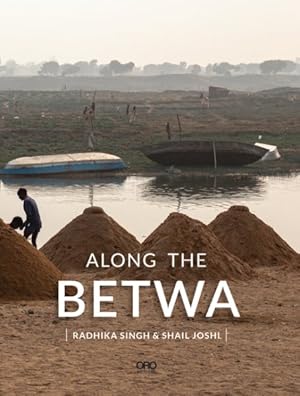
Along the Betwa
Da: GreatBookPricesUK, Woodford Green, Regno Unito
Valutazione del venditore 5 su 5 stelle
EUR 21,55
Spedizione EUR 17,34
Spedito da Regno Unito a U.S.A.Quantità: 1 disponibili
Aggiungi al carrelloCondizione: New.
-
Along the Betwa
Da: GreatBookPricesUK, Woodford Green, Regno Unito
Valutazione del venditore 5 su 5 stelle
EUR 25,86
Spedizione EUR 17,34
Spedito da Regno Unito a U.S.A.Quantità: 1 disponibili
Aggiungi al carrelloCondizione: As New. Unread book in perfect condition.
-
Along the Betwa: A Riverwalk Through the Drought-prone Region of Bundelkhand, India
Da: Revaluation Books, Exeter, Regno Unito
Valutazione del venditore 5 su 5 stelle
EUR 35,74
Spedizione EUR 11,56
Spedito da Regno Unito a U.S.A.Quantità: 1 disponibili
Aggiungi al carrelloPaperback. Condizione: Brand New. 160 pages. 8.80x6.80x0.50 inches. In Stock.
-
EUR 21,37
Spedizione EUR 48,99
Spedito da Germania a U.S.A.Quantità: 1 disponibili
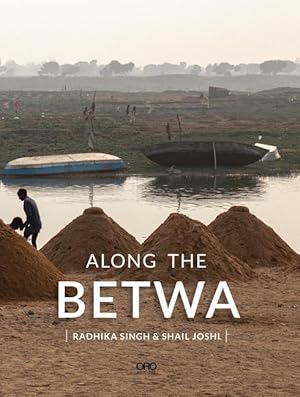
Aggiungi al carrelloCondizione: New. Along the Betwa documents the lives of people living in the drought-prone region of Bundelkhand, touching upon themes related to water scarcity, climate change, agrarian distress, and caste and gender inequalities.Über den Autor.
-

EUR 17,56
Spedizione EUR 75,13
Spedito da Regno Unito a U.S.A.Quantità: 1 disponibili
Aggiungi al carrelloPaperback. Condizione: New. The region of Bundelkhand in India faces enormous challenges in development. With a population of 18 million people, it has one of the lowest human development indices in India. Groundwater, which the vast majority of people rely on for domestic and agricultural purposes, is being rapidly depleted, while droughts have become more frequent and severe. In Along the Betwa, Shail Joshi and Radhika Singh, in partnership with Veditum Foundation and Out of Eden (National Geographic), embark on river walk through Bundelkhand. By living with families and visiting villages across the region, the authors learn about the complex interplay of factors that have shaped the region to make it what it is today. During their walk, the authors speak with men, women, and children that are employed in a range of sectors - agriculture, herding, fishing, and even sand mining - to understand how the degradation of natural resources has affected their livelihoods. They also learn about the impacts of climate change, which has led to more variable rainfalls and disasters of higher intensities, and how it has exacerbated factors such as debt, inequality and migration. Government interventions in the region are the subject of much controversy, and the authors play close attention to the complexity and range of opinions on health, education, livelihoods, and religion and the role people believe the public sector should play.In Along the Betwa, the authors shed light on the experiences, fears, opinions, and hopes of people living in Bundelkhand. They bring together photography, interviews, and research to weave a narrative that contributes to a better understanding of the region. Throughout the book, the authors are careful to address their own positionality. Rather than presenting an "objective" account of the region, the authors are explicit about their own background, beliefs and feelings. By doing so, Radhika Singh and Shail Joshi present an honest and insightful look into the situation in Bundelkhand and hope that it will help inform the conversation of development in India.
