

Importo totale (1 articolo articoli):
Destinazione ordine:

kuthanova translator (8 risultati)
Vai alla pagina principale dei risultati di ricerca
Filtri di ricerca
Tipo di articolo
- Tutti i tipi di prodotto
- Libri (8)
- Riviste e Giornali (Nessun altro risultato corrispondente a questo perfezionamento)
- Fumetti (Nessun altro risultato corrispondente a questo perfezionamento)
- Spartiti (Nessun altro risultato corrispondente a questo perfezionamento)
- Arte, Stampe e Poster (Nessun altro risultato corrispondente a questo perfezionamento)
- Fotografie (Nessun altro risultato corrispondente a questo perfezionamento)
- Mappe (Nessun altro risultato corrispondente a questo perfezionamento)
- Manoscritti e Collezionismo cartaceo (Nessun altro risultato corrispondente a questo perfezionamento)
Condizioni Maggiori informazioni
- Nuovo (Nessun altro risultato corrispondente a questo perfezionamento)
- Come nuovo, Ottimo o Quasi ottimo (Nessun altro risultato corrispondente a questo perfezionamento)
- Molto buono o Buono (3)
- Discreto o Mediocre (1)
- Come descritto (4)
Legatura
- Tutte
- Rilegato (8)
- Brossura (Nessun altro risultato corrispondente a questo perfezionamento)
Ulteriori caratteristiche
- Prima ed. (1)
- Copia autograf. (Nessun altro risultato corrispondente a questo perfezionamento)
- Sovracoperta (6)
- Con foto (3)
- Non Print on Demand (8)
Lingua (2)
Spedizione gratuita
Paese del venditore
Valutazione venditore
-
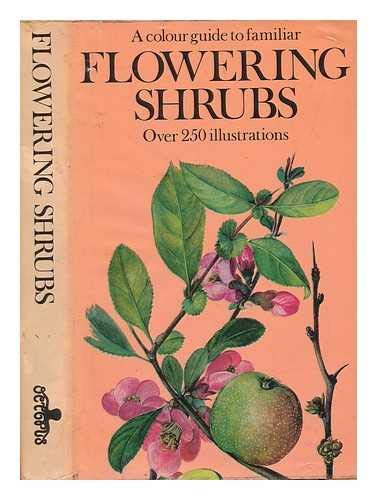
Hardcover. Condizione: Fair.
-

Herbs - A Concise Guide In Colour
Da: M Godding Books Ltd, Devizes, WILTS, Regno Unito
Valutazione del venditore 5 su 5 stelle

EUR 6,55
Spedizione EUR 12,73
Spedito da Regno Unito a U.S.A.Quantità: 1 disponibili
Aggiungi al carrellohardcover. Condizione: Good. . Posted within 1 working day. 1st class tracked post to the UK, Airmail with tracking worldwide. Robust recyclable packaging. Picture is the actual item.
-

1st Edition in this form. Fine cloth copy in an equally fine dw. Particularly and surprisingly well-preserved; tight, bright, clean and especially sharp-cornered.; 256 pages; Description: 256 p. Colour illust. 28 cm. Subjects: Fairy Tales--Collection. Fairy Tales--Children's Literature. 3 Kg.
-

Reprint Edition. An exceptional copy; fine in an equally fine dw. Particularly and surprisingly well-preserved; tight, bright, clean and especially sharp-cornered. Literally as new. ; 256 pages; Description: 256 p. Colour illust. 28 cm. Subjects: Fairy Tales--Collection. Fairy Tales--Children's Literature. 3 Kg.
-

Hardcover. Condizione: Very Good. Condizione sovraccoperta: Very Good. Edition not stated 1963. Published by Allan Wingate, London UK. Hardcover in decorated red cloth with DJ. Condition very good, square and tight book, covers slightly sunned at edges, corners not bumped, No internal markings, no names, no underlinings or highlights, no bent pages. Not a reminder. DJ very good with tears (some repaired with clear tape) and small chips, price clipped. 4to, 94 pages, 82 ill. in text and 42 ill. in the catalog/ . ASIN: B000GR0BYW.
-

EUR 18,00
Spedizione EUR 13,95
Spedito da Irlanda a U.S.A.Quantità: 3 disponibili
Aggiungi al carrello1st Edition in this form. Fine cloth copy in an equally fine dw. Particularly and surprisingly well-preserved; tight, bright, clean and especially sharp-cornered.; 256 pages; Description: 256 p. Colour illust. 28 cm. Subjects: Fairy Tales--Collection. Fairy Tales--Children's Literature. 1 Kg.
-
EUR 18,00
Spedizione EUR 13,95
Spedito da Irlanda a U.S.A.Quantità: 3 disponibili
Aggiungi al carrelloReprint Edition. An exceptional copy; fine in an equally fine dw. Particularly and surprisingly well-preserved; tight, bright, clean and especially sharp-cornered. Literally as new. ; 256 pages; Description: 256 p. Colour illust. 28 cm. Subjects: Fairy Tales--Collection. Fairy Tales--Children's Literature. 1 Kg.
-

The Illustrated Book of Trees & Shrubs
Da: Ground Zero Books, Ltd., Silver Spring, MD, U.S.A.
Valutazione del venditore 5 su 5 stelle
Prima edizione
Hardcover. Condizione: Very good. Condizione sovraccoperta: Very good. Presumed First printing of this issue. The format is approximately 8.625 inches by 11.75 inches. 304 pages. Illustrations (some in color). Gymnosperms. Angiosperms, Appendix. Glossary. Indexes. This is a heavy book and if sent outside of the United States will require additional shipping charges. Describes the history, characteristics, flowers, fruits, leaves, and uses for over two hundred of the most common shrubs and trees, and explains how they are identified. In botany, a tree is a perennial plant with an elongated stem, or trunk, usually supporting branches and leaves. In some usages, the definition of a tree may be narrower, including only woody plants with secondary growth, plants that are usable as lumber or plants above a specified height. In wider definitions, the taller palms, tree ferns, bananas, and bamboos are also trees. The majority of tree species are angiosperms or hardwoods; of the rest, many are gymnosperms or softwoods. Trees tend to be long-lived, some reaching several thousand years old. Trees usually reproduce using seeds. Flowers and fruit may be present, but some trees, such as conifers, instead have pollen cones and seed cones. Palms, bananas, and bamboos also produce seeds, but tree ferns produce spores instead. A shrub (often also called a bush) is a small-to-medium-sized perennial woody plant. Unlike herbaceous plants, shrubs have persistent woody stems above the ground. Shrubs can be either deciduous or evergreen. They are distinguished from trees by their multiple stems and shorter height, less than 2033 ft tall. Small shrubs, less than 6.6 ft tall are sometimes termed as subshrubs. Many botanical groups have species that are shrubs, and others that are trees and herbaceous plants instead. Some define a shrub as less than 20 ft and a tree as over 2o ft. Others use 33 ft as the cutoff point for classification. Many trees do not reach this mature height because of hostile less than ideal growing conditions, and resemble shrub-sized plants. Others in such species have the potential to grow taller in ideal conditions. For longevity, most shrubs are classified between perennials and trees. Some only last about five years in good conditions. Others, usually larger and more woody, live beyond 70. On average, they die after eight years. Shrubland is the natural landscape dominated by various shrubs; there are many distinct types around the world, including fynbos, maquis, shrub-steppe, shrub swamp and moorland. In gardens and parks, an area largely dedicated to shrubs (now somewhat less fashionable than a century ago) is called a shrubbery, shrub border or shrub garden. There are many garden cultivars of shrubs, bred for flowering, for example rhododendrons, and sometimes even leaf color or shape. Compared to trees and herbaceous plants, perhaps a relatively small number of shrubs have agricultural or commercial uses. Apart from the several berry-bearing species (using the culinary rather than botanical definition), few are eaten directly, and they are generally too small for much timber use unlike trees. Those that are used include several perfumed species such as lavender and rose, and a wide range of plants with medicinal uses. Tea and coffee are on the tree-shrub boundary; they are normally harvested from shrub-sized plants, but these would be large enough to become small trees if left to grow instead.

