
Norman barnaby (78 risultati)

- Brossura
Da: GreatBookPrices, Columbia, MD, U.S.A.GreatBookPrices
Contatta il venditoreVenditore con 5 stelleCondizione: Usato - Come nuovo
EUR 18,00
EUR 2,31 spedizioneSpedito in U.S.A.Quantità: Più di 20 disponibili
Condizione: As New. Unread book in perfect condition.

- Brossura
Da: GreatBookPrices, Columbia, MD, U.S.A.GreatBookPrices
Contatta il venditoreVenditore con 5 stelleCondizione: Nuovo
EUR 18,26
EUR 2,31 spedizioneSpedito in U.S.A.Quantità: Più di 20 disponibili
Condizione: New.
- Brossura
Da: GreatBookPrices, Columbia, MD, U.S.A.GreatBookPrices
Contatta il venditoreVenditore con 5 stelleCondizione: Usato - Come nuovo
EUR 19,39
EUR 2,31 spedizioneSpedito in U.S.A.Quantità: Più di 20 disponibili
Condizione: As New. Unread book in perfect condition.

- Brossura
Da: GreatBookPrices, Columbia, MD, U.S.A.GreatBookPrices
Contatta il venditoreVenditore con 5 stelleCondizione: Nuovo
EUR 19,94
EUR 2,31 spedizioneSpedito in U.S.A.Quantità: 12 disponibili
Condizione: New.
- Brossura
Da: INDOO, Avenel, NJ, U.S.A.INDOO
Contatta il venditoreVenditore con 5 stelleCondizione: Nuovo
EUR 22,32
Spedizione gratuitaSpedito in U.S.A.Quantità: Più di 20 disponibili
Condizione: New. Brand New.

- Brossura
Da: GreatBookPrices, Columbia, MD, U.S.A.GreatBookPrices
Contatta il venditoreVenditore con 5 stelleCondizione: Nuovo
EUR 20,87
EUR 2,31 spedizioneSpedito in U.S.A.Quantità: Più di 20 disponibili
Condizione: New.

- Brossura
Da: madelyns books, suffolk, Regno Unitomadelyns books
Contatta il venditoreVenditore con 4 stelleCondizione: Usato - Ottimo
EUR 3,31
EUR 19,84 spedizioneSpedito da Regno Unito a U.S.A.Quantità: 1 disponibili
Soft cover. Condizione: Fine. Abacus softcover. Fine condition. Fast secure shipping from the U/K. Images available on request.

- Brossura
Da: GreatBookPrices, Columbia, MD, U.S.A.GreatBookPrices
Contatta il venditoreVenditore con 5 stelleCondizione: Usato - Come nuovo
EUR 22,06
EUR 2,31 spedizioneSpedito in U.S.A.Quantità: Più di 20 disponibili
Condizione: As New. Unread book in perfect condition.

- Brossura
Da: GreatBookPrices, Columbia, MD, U.S.A.GreatBookPrices
Contatta il venditoreVenditore con 5 stelleCondizione: Usato - Come nuovo
EUR 22,54
EUR 2,31 spedizioneSpedito in U.S.A.Quantità: 12 disponibili
Condizione: As New. Unread book in perfect condition.

Lingua: Inglese
Editore: John Wiley and Sons Ltd, Oxford, 2017
Serie: Theory Redux, Libro 7 di 22. Libro 7 di 22 - Theory Redux
- Brossura
Da: Grand Eagle Retail, Bensenville, IL, U.S.A.Grand Eagle Retail
Contatta il venditoreVenditore con 5 stelleCondizione: Nuovo
EUR 25,76
Spedizione gratuitaSpedito in U.S.A.Quantità: 1 disponibili
Paperback. Condizione: new. Paperback. What do the invention of anaesthetics in the middle of the nineteenth century, the Nazis' use of cocaine, and the development of Prozac have in common? The answer is that they're all products of the same logic that defines our contemporary era: 'the age of anaesthesia'. Laurent de Sutter sh…ows how large aspects of our lives are now characterised by the management of our emotions through drugs, ranging from the everyday use of sleeping pills to hard narcotics. Chemistry has become so much a part of us that we cant even see how much it has changed us. In this era, being a subject doesn't simply mean being subjected to powers that decide our lives: it means that our very emotions have been outsourced to chemical stimulation. Yet we don't understand why the drugs that we take are unable to free us from fatigue and depression, and from the absence of desire that now characterizes our psychopolitical condition. We have forgotten what it means to be excited because our only excitement has become drug-induced. We have to abandon the narcotic stimulation that weve come to rely on and find a way back to the collective excitement that is narcocapitalisms greatest fear. What do the invention of anaesthetics in the middle of the 19th century, the Nazis' use of cocaine, and the development of Prozac have in common? The answer is that they're all products of the same logic that defines our contemporary era: "the age of anaesthesia". Shipping may be from multiple locations in the US or from the UK, depending on stock availability.

CORONET - Volume 50, Number 4 - August 1961
Gillenson, Lewis W. (editor) (Barnaby Conrad; Lester David; Irene David; Bernard Seeman; Adeline Daley; Lyman M. Nash; Shirley Seifert; Norman Carlisle; Raymond Schuessler; Robert de Roos; Jack Cushman; Al Jean Meltsir; Robert Rienow; David Boroff)
Editore: Esquire Inc., Chicago, 1961
- Brossura
- Prima edizione
Da: WF Sandercombe, Burlington, ON, CanadaWF Sandercombe
Contatta il venditoreVenditore con 4 stelleCondizione: Usato - Molto buono
EUR 8,96
EUR 8,70 spedizioneSpedito da Canada a U.S.A.Quantità: 1 disponibili
Soft cover. Condizione: Very Good. First Edition. 186 pp. Digest format. Light wear. The cover features a photograph by Jim Pond and the back cover features a full colour ad for Salem cigarettes. This issue contains: The Smell of Wax by Barnaby Conrad; Secrets of Summer Survival by Lester David and Irene David; New Hope for Perf…ect Babies by Bernard Seeman; My Little Lie Detectors by Adeline Daley; The Hat That Crowned the West by Lyman M. Nash; The Untold Story of Tom Dooley by Shirley Seifert; Canada's Bridge to Doom by Norman Carlisle; Baseball's Fickle Fantatics by Raymond Schuessler; What Makes Those Jumping Beans Jump? By Robert de Roos; Is There a Hero in the House? By Jack Cushman; The Happy Marriage of Rosemary Clooney and Jose Ferrer by Aljean Meltsir; H2 Oddities by Robert Rienow; Religion and Sex: a Changing Church View by David Boroff; Eat Pickles, Drink Milk, Curl Up and Die by Robert Newman; and Bungling Burglars by Will Bernard; along with the usual features. Size: 12mo. Book.

- Brossura
Da: GreatBookPrices, Columbia, MD, U.S.A.GreatBookPrices
Contatta il venditoreVenditore con 5 stelleCondizione: Nuovo
EUR 26,28
EUR 2,31 spedizioneSpedito in U.S.A.Quantità: Più di 20 disponibili
Condizione: New.
- Brossura
Da: Chiron Media, Wallingford, Regno UnitoChiron Media
Contatta il venditoreVenditore con 5 stelleCondizione: Nuovo
EUR 12,06
EUR 18,13 spedizioneSpedito da Regno Unito a U.S.A.Quantità: 2 disponibili
paperback. Condizione: New.
- Brossura
Da: Revaluation Books, Exeter, Regno UnitoRevaluation Books
Contatta il venditoreVenditore con 5 stelleCondizione: Nuovo
EUR 22,92
EUR 11,71 spedizioneSpedito da Regno Unito a U.S.A.Quantità: 2 disponibili
Paperback. Condizione: Brand New. 214 pages. 8.50x5.25x0.50 inches. In Stock.

Lingua: Inglese
Editore: Polity Press 2017-10-20, 2017
Serie: Theory Redux, Libro 7 di 22. Libro 7 di 22 - Theory Redux
- Brossura
Da: Chiron Media, Wallingford, Regno UnitoChiron Media
Contatta il venditoreVenditore con 5 stelleCondizione: Nuovo
EUR 17,23
EUR 18,13 spedizioneSpedito da Regno Unito a U.S.A.Quantità: 2 disponibili
Paperback. Condizione: New.
- Brossura
Da: Chiron Media, Wallingford, Regno UnitoChiron Media
Contatta il venditoreVenditore con 5 stelleCondizione: Nuovo
EUR 18,72
EUR 18,13 spedizioneSpedito da Regno Unito a U.S.A.Quantità: 2 disponibili
Paperback. Condizione: New.

- Brossura
Da: GreatBookPricesUK, Woodford Green, Regno UnitoGreatBookPricesUK
Contatta il venditoreVenditore con 5 stelleCondizione: Nuovo
EUR 18,69
EUR 17,56 spedizioneSpedito da Regno Unito a U.S.A.Quantità: Più di 20 disponibili
Condizione: New.
Lingua: Inglese
Editore: Polity Press 2018-01, 2018
Serie: Theory Redux, Libro 7 di 22. Libro 7 di 22 - Theory Redux
- Brossura
Da: Chiron Media, Wallingford, Regno UnitoChiron Media
Contatta il venditoreVenditore con 5 stelleCondizione: Nuovo
EUR 19,06
EUR 18,13 spedizioneSpedito da Regno Unito a U.S.A.Quantità: 10 disponibili
PF. Condizione: New.
- Brossura
Da: GreatBookPricesUK, Woodford Green, Regno UnitoGreatBookPricesUK
Contatta il venditoreVenditore con 5 stelleCondizione: Nuovo
EUR 19,35
EUR 17,56 spedizioneSpedito da Regno Unito a U.S.A.Quantità: 1 disponibili
Condizione: New.

- Brossura
Da: GreatBookPricesUK, Woodford Green, Regno UnitoGreatBookPricesUK
Contatta il venditoreVenditore con 5 stelleCondizione: Nuovo
EUR 19,63
EUR 17,56 spedizioneSpedito da Regno Unito a U.S.A.Quantità: 12 disponibili
Condizione: New.

- Brossura
Da: GreatBookPricesUK, Woodford Green, Regno UnitoGreatBookPricesUK
Contatta il venditoreVenditore con 5 stelleCondizione: Nuovo
EUR 21,49
EUR 17,56 spedizioneSpedito da Regno Unito a U.S.A.Quantità: Più di 20 disponibili
Condizione: New.

- Brossura
Da: GreatBookPricesUK, Woodford Green, Regno UnitoGreatBookPricesUK
Contatta il venditoreVenditore con 5 stelleCondizione: Usato - Come nuovo
EUR 21,68
EUR 17,56 spedizioneSpedito da Regno Unito a U.S.A.Quantità: Più di 20 disponibili
Condizione: As New. Unread book in perfect condition.
- Brossura
Da: GreatBookPricesUK, Woodford Green, Regno UnitoGreatBookPricesUK
Contatta il venditoreVenditore con 5 stelleCondizione: Usato - Come nuovo
EUR 22,77
EUR 17,56 spedizioneSpedito da Regno Unito a U.S.A.Quantità: 1 disponibili
Condizione: As New. Unread book in perfect condition.

- Brossura
Da: GreatBookPricesUK, Woodford Green, Regno UnitoGreatBookPricesUK
Contatta il venditoreVenditore con 5 stelleCondizione: Usato - Come nuovo
EUR 22,77
EUR 17,56 spedizioneSpedito da Regno Unito a U.S.A.Quantità: 12 disponibili
Condizione: As New. Unread book in perfect condition.

- Brossura
Da: GreatBookPricesUK, Woodford Green, Regno UnitoGreatBookPricesUK
Contatta il venditoreVenditore con 5 stelleCondizione: Usato - Come nuovo
EUR 25,25
EUR 17,56 spedizioneSpedito da Regno Unito a U.S.A.Quantità: Più di 20 disponibili
Condizione: As New. Unread book in perfect condition.
 Altre immagini
CAVALIER September 1956 Matador Barnaby Conrad Frank McCarthy Alan Hynd Jane Mansfield Norm Saunders Feuds
Don Jacobs; Henry Jordan; James Patrick; George Bolds; John J. Huber; Sylvia Schwarzkopf; Daniel Dixon; Al Capen; Alan Hynd; Al Hirshberg; Joseph B. Stephens; Ormond Gigli; Ted Janes; Barnaby Conrad;
Editore: Fawcett Publications, 1956
- Brossura
- Prima edizione
Da: Comic World, Steinbach, MB, CanadaComic World
Contatta il venditoreVenditore con 5 stelleCondizione: Usato - Molto buono
EUR 22,51
EUR 6,90 spedizioneSpedito da Canada a U.S.A.Quantità: 1 disponibili
Soft cover. Condizione: Very Good. CAVALIER Men Adventure Magazine Volume 4, #39 (September /1956; Fawcett Publications;) Painted Front Cover: Frank McCarthy; 104 pages including covers; Writers: Don Jacobs; Henry Jordan; James Patrick; George Bolds; John J. Huber; Sylvia Schwarzkopf; Daniel Dixon; Al Capen; Alan Hynd; Al Hirshb…erg; Joseph B. Stephens; Ormond Gigli; Ted Janes; Barnaby Conrad; Interior Artists: Brendan Lynch; William George; Norman Saunders; Jack Woolheiser; Bill Wenzel; George Giguere; Matador (Bullfighting Novel) by Barnaby Conrad Case of the Murdering Detective by Alan Hynd Jane Mansfield *** Book Order # ADV274; Condition= VG = (4.0) VERY GOOD; (Average Used Condition) Price=US$25.00); Size: 4to - over 9¾" - 12" tall TRUE FIRST Edition MAGAZINE Format Thus. Frank McCarthy Painted Front Cover; Interior Artists: Brendan Lynch; William George; Norman Saunders; Jack Woolheiser; Bill Wenzel; George Giguere; (illustratore). Book.
Lingua: Inglese
Editore: Houghton Mifflin Company, Boston, Massachusetts, 1990
- Rilegato
- Prima edizione
Da: Ground Zero Books, Ltd., Silver Spring, MD, U.S.A.Ground Zero Books, Ltd.
Contatta il venditoreVenditore con 5 stelleCondizione: Usato - Molto buono
EUR 40,51
EUR 4,37 spedizioneSpedito in U.S.A.Quantità: 1 disponibili
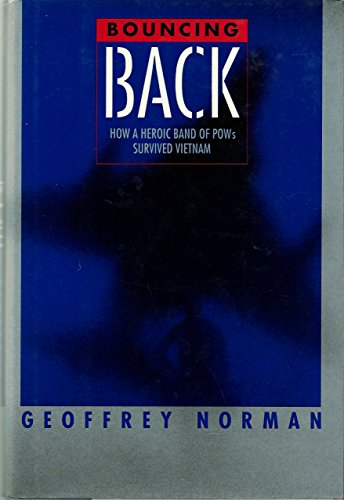
Hardcover. Condizione: Very good. Condizione sovraccoperta: Very good. First Printing [Stated]. [8], 248 pages. DJ is in a clear plastic sleeve. Geoffrey Norman is the author of 12 books of fiction and non-fiction and many articles for periodicals to include the Wall Street Journal, Sports Illustrated, National Geographic, Esqui…re, Men's Journal, the Weekly Standard, and others. His non-fiction books include Bouncing Back, an account of the POW experience in Vietnam; Alabama Showdown, an account of the Alabama/Auburn football rivalry; and Two For the Summit, a memoir of mountain climbing with his daughter. These books all received favorable reviews in the Sunday New York Times Book Review. Norman's novels include Inch by Inch, Sweetwater Ranch, Midnight Water & others. Norman wrote the text for a large format book about Virginia Military Institute by noted photographer Anthony Edgeworth. The book is called The Institute. Norman has been a senior editor and contributing editor at Esquire magazine. Editor-at -Large at Forbes. Contributing editor at Field & Stream, among others. He writes for the The American Spectator and Garden and Gun. Later codified by the military, the resources the POWs in North Vietnam evolved became a doctrine of survival known as Bouncing Back. Through intricate and ingenious methods, the prisoners in each camp made contact, and it saved them. They worked out ways to communicate by tapping out a complex code on their cell walls. They established a chain of command and organized their resistance efforts. They nursed each other's shattered bodies and bolstered each other's morale. They even maintained their sense of humor. Derived from a Kirkus review: Shot down in 1967, Lt. Cmdr. Al Stafford was held prisoner by the North Vietnamese until the cease-fire in early 1973. Here, novelist and journalist Norman offers a deliberate, often painful look at the privation and drudgery of life as a POW--but also reveals a surprising richness. After his capture, Stafford, with a broken arm and ribs, was taken to Hoa Lo, to the infamous "Hanoi Hilton." He was interrogated, beaten, and strung up "in the ropes," and later was moved to a prison camp the POWs called "the Plantation." There, the inmates used a highly refined "tap code" to communicate through the walls of their cells. They not only passed essential information and lifesaving encouragement to those in solitary, but tapped out riddles, poetry, played cards and chess, and developed elaborate fantasies involving sailing, playing golf, or building houses. For months before actually meeting, Stafford and another POW exchanged bad puns--"Aesop's feebles"--through a half-inch hole in the wall. In one camp, Norman notes, Stafford and several others set up a "college" and taught classes--entirely from memory--in such subjects an animal husbandry, higher math, auto mechanics, Spanish, and literature; one POW even taught wine appreciation. But, as the author points out, "the constants. . .were uncertainty, monotony, and fear." The POWs lived for years on pumpkin soup and an occasional piece of bread, in extremely unsanitary circumstances, without medical care. Most learned that a key to survival was "bouncing back," a formalized policy that allowed for a man to be "broken" by torture, illness, and deprivation, but "the essential point was not to give up completely. . . but to rally," to take as much as possible, but to forgive yourself your limits. Serious and intelligent; unhindered by bitterness that often accompanies such accounts. Barnaby Hall (Front Jacket Photograph) (illustratore).

- Rilegato
Da: GreatBookPrices, Columbia, MD, U.S.A.GreatBookPrices
Contatta il venditoreVenditore con 5 stelleCondizione: Nuovo
EUR 42,91
EUR 2,31 spedizioneSpedito in U.S.A.Quantità: Più di 20 disponibili
Condizione: New.

A Tribute To Ray Bradbury: Thirty-Three Years Of Inspiration At The Santa Barbara Writers Conference
Bradbury, Ray; Norman Corwin; Barnaby Conrad; Joseph Wambaugh; Larry Gelbart; Phyllis Gebauer; Etc.
Lingua: Inglese
Editore: Santa Barbara Writers Conference, Santa Barbara, 2005
- Rilegato
- Prima edizione
Da: Arroyo Seco Books, Pasadena, Member IOBA, Pasadena, CA, U.S.A.Arroyo Seco Books, Pasadena, Member IOBA
Contatta il venditoreVenditore con 4 stelleMembro dell’associazione: IOBA
Condizione: Usato - Ottimo
EUR 38,26
EUR 6,99 spedizioneSpedito in U.S.A.Quantità: 1 disponibili
Black Cloth. Condizione: Fine. Condizione sovraccoperta: Fine DJ. First Edition. 20 Short Appreciations Of Bradbury, With A Short Piece By Bradbury. As New. One Of Phyllis Gebauer's Personal Copies, Not Marked As Such. She Was Longtime Friend Of Reclusive Author Thomas Pynchon Who In 2011 Made A Significant Gift Of Signed First…Editions Of His Books To The Ucla Extension Writers Program. During The Past Two Decades, Phyllis Taught Over 60 Novel Writing Courses, And In Recent Years, Memoir Writing -- After She Published, At The Age Of 80, "Hot Widow", Which Thomas Pynchon Described As "Rollicking And Heartbreaking Evidence That Little Black Dresses Aren'T Just For Graveside Anymore." "The Recipient Of The Ucla Extension Instructor Award In Creative Writing In 1992, Gebauer Garnered The Highest Levels Of Praise Every Time She Taught. Students Loved Her Incisiveness, Gift For Making The Complex Accessible, And Of Course, Her Wicked Sense Of Humor. Gebauer And Her Husband Became Friends With Pynchon When They All Lived In Seattle. That Was Before "Tom," As She Called Him, Was A Published Author; Pynchon's First Book, "V," Came Out In 1963. Although Gebauer And Her Husband Moved Around -- He Was A Can't-Talk-About-It Aerospace Engineer -- Their Paths Intersected With Pynchon's In Texas And Then In Southern California [Circa 1965], Where The Friends Spent Much Time Together.

- Rilegato
Da: GreatBookPrices, Columbia, MD, U.S.A.GreatBookPrices
Contatta il venditoreVenditore con 5 stelleCondizione: Nuovo
EUR 48,64
EUR 2,31 spedizioneSpedito in U.S.A.Quantità: Più di 20 disponibili
Condizione: New.


