Importo totale (1 articolo articoli):
Destinazione ordine:

rony clanton (1 risultati)
Vai alla pagina principale dei risultati di ricerca
Filtri di ricerca
Tipo di articolo
- Tutti i tipi di prodotto
- Libri (1)
- Riviste e Giornali (Nessun altro risultato corrispondente a questo perfezionamento)
- Fumetti (Nessun altro risultato corrispondente a questo perfezionamento)
- Spartiti (Nessun altro risultato corrispondente a questo perfezionamento)
- Arte, Stampe e Poster (Nessun altro risultato corrispondente a questo perfezionamento)
- Fotografie (Nessun altro risultato corrispondente a questo perfezionamento)
- Mappe (Nessun altro risultato corrispondente a questo perfezionamento)
- Manoscritti e Collezionismo cartaceo (Nessun altro risultato corrispondente a questo perfezionamento)
Condizioni Maggiori informazioni
- Nuovo (Nessun altro risultato corrispondente a questo perfezionamento)
- Come nuovo, Ottimo o Quasi ottimo (Nessun altro risultato corrispondente a questo perfezionamento)
- Molto buono o Buono (Nessun altro risultato corrispondente a questo perfezionamento)
- Discreto o Mediocre (Nessun altro risultato corrispondente a questo perfezionamento)
- Come descritto (1)
Legatura
- Tutte
- Rilegato (Nessun altro risultato corrispondente a questo perfezionamento)
- Brossura (Nessun altro risultato corrispondente a questo perfezionamento)
Ulteriori caratteristiche
- Prima ed. (Nessun altro risultato corrispondente a questo perfezionamento)
- Copia autograf. (Nessun altro risultato corrispondente a questo perfezionamento)
- Sovracoperta (Nessun altro risultato corrispondente a questo perfezionamento)
- Con foto (1)
- Non Print on Demand (1)
Lingua (1)
Prezzo
- Qualsiasi prezzo
- Inferiore a EUR 20 (Nessun altro risultato corrispondente a questo perfezionamento)
- EUR 20 a EUR 45 (Nessun altro risultato corrispondente a questo perfezionamento)
- Superiore a EUR 45
Spedizione gratuita
- Spedizione gratuita in U.S.A. (Nessun altro risultato corrispondente a questo perfezionamento)
Paese del venditore
Valutazione venditore
-
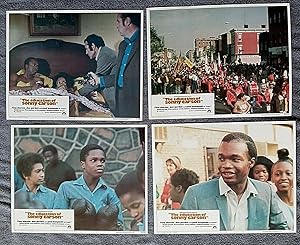
African American Urban Life and Blaxploitation Cinema, The Education of Sonny Carson Lobby Card Archive, 1974
Data di pubblicazione: 1974
Da: Max Rambod Inc, Woodland Hills, CA, U.S.A.
Membro dell'associazione: ABAA ILAB
Valutazione del venditore 5 su 5 stelle

Clanton, Rony (subject). The Education of Sonny Carson lobby card archive, 1974, documents cinematic representation of African American urban life and political consciousness in the post-Civil Rights era, with emphasis on youth experience, policing, and community activism in mid-twentieth-century Brooklyn. The material provides primary visual evidence of how Black life, gang culture, and systemic inequality were depicted within 1970s American film, supporting research into Blaxploitation cinema, racialized narratives, and the transition from street life to political awareness. The Education of Sonny Carson. Paramount Pictures, 1974. Archive of 8 original color lobby cards, each measuring 11 x 14 inches. The images depict scenes from the film based on the autobiography of Sonny Carson, tracing his trajectory from adolescence through adulthood. Five lobby cards feature Rony Clanton portraying Sonny at different stages, including a scene in which he and his partner are confronted by armed white police officers, visually emphasizing racialized policing and vulnerability. Two cards present large groups assembled in Brooklyn streets, with figures distinguished by coordinated red, brown, and yellow clothing, suggesting organized community presence or factional identity. Additional imagery reflects environments shaped by gang activity, urban density, and social tension. The compositions emphasize confrontation, crowd dynamics, and personal transformation, aligning with the film's narrative arc from criminal involvement toward political engagement under the adopted name Mwlina Lmiri Abubadika. This archive emerges from the 1970s cycle of films often associated with Blaxploitation, which brought Black protagonists and urban narratives into mainstream cinema while engaging with themes of resistance, identity, and systemic oppression. The Education of Sonny Carson differs from more commercially stylized entries in the genre by foregrounding political awakening and critiques of structural inequality, including poverty and police violence. Its Brooklyn setting situates the narrative within broader histories of migration, segregation, and community organization in northern cities. All cards exhibit strong color saturation and clarity; minor wear consistent with handling; overall very good condition. A cohesive visual group documenting African American film representation and political themes in 1970s cinema.