
9789400764330 - peasants in power: the political economy of development and genocide in rwanda di verwimp, philip (14 risultati)

- Rilegato
Da: Universitätsbuchhandlung Herta Hold GmbH, Berlin, , GermaniaUniversitätsbuchhandlung Herta Hold GmbH
Contatta il venditoreVenditore con 4 stelleCondizione: Usato
EUR 15,00
EUR 30,00 spedizioneSpedito da Germania a U.S.A.Quantità: 1 disponibili
XIX, 276 p. Hardcover. Versand aus Deutschland / We dispatch from Germany via Air Mail. Einband bestoßen, daher Mängelexemplar gestempelt, sonst sehr guter Zustand. Imperfect copy due to slightly bumped cover, apart from this in very good condition. Stamped. Stamped. Bumped. Sprache: Englisch.
- Rilegato
Da: Michener & Rutledge Booksellers, Inc., Baldwin City, KS, U.S.A.Michener & Rutledge Booksellers, Inc.
Contatta il venditoreVenditore con 5 stelleCondizione: Usato - Come nuovo
EUR 47,33
EUR 5,25 spedizioneSpedito in U.S.A.Quantità: 1 disponibili
Hardcover. Condizione: As New. Condizione sovraccoperta: No Dust Jacket As Issued. Still shrinkwrapped; 9.30 X 6.40 X 0.90 inches; 276 pages.
- Rilegato
Da: Ria Christie Collections, Uxbridge, Regno UnitoRia Christie Collections
Contatta il venditoreVenditore con 5 stelleCondizione: Nuovo
EUR 115,69
EUR 13,89 spedizioneSpedito da Regno Unito a U.S.A.Quantità: Più di 20 disponibili
Condizione: New. In.
- Rilegato
Da: moluna, Greven, , Germaniamoluna
Contatta il venditoreVenditore con 5 stelleCondizione: Nuovo
EUR 92,27
EUR 48,99 spedizioneSpedito da Germania a U.S.A.Quantità: Più di 20 disponibili
Gebunden. Condizione: New.
- Rilegato
Da: Books Puddle, New York, NY, U.S.A.Books Puddle
Contatta il venditoreVenditore con 4 stelleCondizione: Nuovo
EUR 146,20
EUR 3,49 spedizioneSpedito in U.S.A.Quantità: 4 disponibili
Condizione: New. pp. 298.
- Rilegato
Da: Revaluation Books, Exeter, , Regno UnitoRevaluation Books
Contatta il venditoreVenditore con 5 stelleCondizione: Nuovo
EUR 157,12
EUR 14,49 spedizioneSpedito da Regno Unito a U.S.A.Quantità: 2 disponibili
Hardcover. Condizione: Brand New. 2013 edition. 200 pages. 9.25x6.50x1.00 inches. In Stock.
- Rilegato
Da: AHA-BUCH GmbH, Einbeck, GermaniaAHA-BUCH GmbH
Contatta il venditoreVenditore con 5 stelleCondizione: Nuovo
EUR 112,94
EUR 63,06 spedizioneSpedito da Germania a U.S.A.Quantità: 1 disponibili
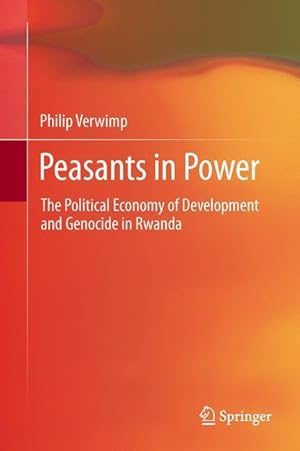
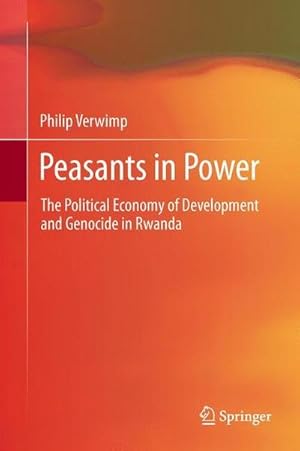
Buch. Condizione: Neu. Druck auf Anfrage Neuware - Printed after ordering - This book shows how Rwanda's development model and the organisation of genocide are two sides of the same coin. In the absence of mineral resources, the elite organised and managed the labour of peasant producers as efficient as possible. In order to sta…y in power and benefit from it, the presidential clan chose a development model that would not change the political status quo. When the latter was threatened, the elite invoked the preservation of group welfare of the Hutu, called for Hutu unity and solidarity and relied on the great mass (rubanda nyamwinshi) for the execution of the genocide. A strategy as simple as it is horrific. The genocide can be regarded as the ultimate act of self-preservation through annihilation under the veil of self-defense. Why did tens of thousands of ordinary people massacred tens of thousands other ordinary people in Rwanda in 1994 What has agricultural policy and rural ideology to do with it What was the role of the Akazu, the presidential clan around president Habyarimana Did the civil war cause the genocide And what insights can a political economy perspective offer Based on more than ten years of research, and engaging with competing and complementary arguments of authors such as Peter Uvin, Alison Des Forges, Scott Strauss, René Lemarchand, Filip Reyntjens, Mahmood Mamdani and André Guichaoua, the author blends economics, politics and agrarian studies to provide a new way of understanding the nexus between development and genocide in Rwanda. Students and practitioners of development as well as everyone interested in the causes of violent conflict and genocide in Africa and around the world will find this book compelling toread.
- Rilegato
Da: Mispah books, Redhill, SURRE, Regno UnitoMispah books
Contatta il venditoreVenditore con 4 stelleCondizione: Usato - Come nuovo
EUR 167,17
EUR 28,98 spedizioneSpedito da Regno Unito a U.S.A.Quantità: 1 disponibili
Hardcover. Condizione: Like New. LIKE NEW. SHIPS FROM MULTIPLE LOCATIONS. book.
- Rilegato
- Print on Demand
Da: Brook Bookstore On Demand, Napoli, NA, ItaliaBrook Bookstore On Demand
Contatta il venditoreVenditore con 3 stelleCondizione: Nuovo
EUR 86,24
EUR 34,00 spedizioneSpedito da Italia a U.S.A.Quantità: Più di 20 disponibili
Condizione: new. Questo è un articolo print on demand.
- Rilegato
- Print on Demand
Da: BuchWeltWeit Ludwig Meier e.K., Bergisch Gladbach, , GermaniaBuchWeltWeit Ludwig Meier e.K.
Contatta il venditoreVenditore con 5 stelleCondizione: Nuovo
EUR 106,99
EUR 23,00 spedizioneSpedito da Germania a U.S.A.Quantità: 2 disponibili
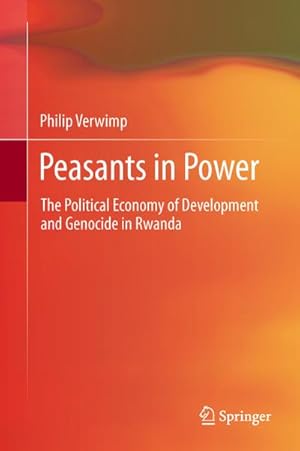
Buch. Condizione: Neu. This item is printed on demand - it takes 3-4 days longer - Neuware -This book shows how Rwanda's development model and the organisation of genocide are two sides of the same coin. In the absence of mineral resources, the elite organised and managed the labour of peasant producers as efficient as possible.… In order to stay in power and benefit from it, the presidential clan chose a development model that would not change the political status quo. When the latter was threatened, the elite invoked the preservation of group welfare of the Hutu, called for Hutu unity and solidarity and relied on the great mass (rubanda nyamwinshi) for the execution of the genocide. A strategy as simple as it is horrific. The genocide can be regarded as the ultimate act of self-preservation through annihilation under the veil of self-defense. Why did tens of thousands of ordinary people massacred tens of thousands other ordinary people in Rwanda in 1994 What has agricultural policy and rural ideology to do with it What was the role of the Akazu, the presidential clan around president Habyarimana Did the civil war cause the genocide And what insights can a political economy perspective offer Based on more than ten years of research, and engaging with competing and complementary arguments of authors such as Peter Uvin, Alison Des Forges, Scott Strauss, René Lemarchand, Filip Reyntjens, Mahmood Mamdani and André Guichaoua, the author blends economics, politics and agrarian studies to provide a new way of understanding the nexus between development and genocide in Rwanda. Students and practitioners of development as well as everyone interested in the causes of violent conflict and genocide in Africa and around the world will find this book compelling to read. 296 pp. Englisch.
- Rilegato
- Print on Demand
Da: Majestic Books, Hounslow, , Regno UnitoMajestic Books
Contatta il venditoreVenditore con 4 stelleCondizione: Nuovo
EUR 152,44
EUR 7,54 spedizioneSpedito da Regno Unito a U.S.A.Quantità: 4 disponibili
Condizione: New. Print on Demand pp. 298 Illus.
- Rilegato
- Print on Demand
Da: Biblios, frankfurt am main, HESSE, GermaniaBiblios
Contatta il venditoreVenditore con 4 stelleCondizione: Nuovo
EUR 149,33
EUR 9,95 spedizioneSpedito da Germania a U.S.A.Quantità: 4 disponibili
Condizione: New. PRINT ON DEMAND pp. 298.
 Altre immagini
- Rilegato
- Print on Demand
Da: preigu, Osnabrück, Germaniapreigu
Contatta il venditoreVenditore con 5 stelleCondizione: Nuovo
EUR 95,70
EUR 70,00 spedizioneSpedito da Germania a U.S.A.Quantità: 5 disponibili
Buch. Condizione: Neu. Peasants in Power | The Political Economy of Development and Genocide in Rwanda | Philip Verwimp | Buch | xix | Englisch | 2013 | Springer | EAN 9789400764330 | Verantwortliche Person für die EU: Springer Verlag GmbH, Tiergartenstr. 17, 69121 Heidelberg, juergen[dot]hartmann[at]springer[dot]com | Anbieter:… preigu Print on Demand.

- Rilegato
- Print on Demand
Da: buchversandmimpf2000, Emtmannsberg, BAYE, Germaniabuchversandmimpf2000
Contatta il venditoreVenditore con 5 stelleCondizione: Nuovo
EUR 106,99
EUR 60,00 spedizioneSpedito da Germania a U.S.A.Quantità: 1 disponibili
Buch. Condizione: Neu. This item is printed on demand - Print on Demand Titel. Neuware -This book shows how Rwandäs development model and the organisation of genocide are two sides of the same coin. In the absence of mineral resources, the elite organised and managed the labour of peasant producers as efficient as possible. In o…rder to stay in power and benefit from it, the presidential clan chose a development model that would not change the political status quo. When the latter was threatened, the elite invoked the preservation of group welfare of the Hutu, called for Hutu unity and solidarity and relied on the great mass (rubanda nyamwinshi) for the execution of the genocide. A strategy as simple as it is horrific. The genocide can be regarded as the ultimate act of self-preservation through annihilation under the veil of self-defense.Why did tens of thousands of ordinary people massacred tens of thousands other ordinary people in Rwanda in 1994 What has agricultural policy and rural ideology to do with it What was the role of the Akazu, the presidential clan around president Habyarimana Did the civil war cause the genocide And what insights can a political economy perspective offer Based on more than ten years of research, and engaging with competing and complementary arguments of authors such as Peter Uvin, Alison Des Forges, Scott Strauss, René Lemarchand, Filip Reyntjens, Mahmood Mamdani and André Guichaoua, the author blends economics, politics and agrarian studies to provide a new way of understanding the nexus between development and genocide in Rwanda. Students and practitioners of development as well as everyone interested in the causes of violent conflict and genocide in Africa and around the world will find this book compelling toread.Springer-Verlag KG, Sachsenplatz 4-6, 1201 Wien 296 pp. Englisch.


