
David arata (45 risultati)

Lingua: Inglese
Editore: Universal Pictures Home Entertainment 2016
Da: Stories & Sequels, Ashland, OH, U.S.A.Stories & Sequels
Contatta il venditoreVenditore con 4 stelleCondizione: Usato - Buono
EUR 6,24
Spedizione gratuitaSpedito in U.S.A.Quantità: 1 disponibili
dvd. Condizione: Good.
- Brossura
Da: Bellwetherbooks, McKeesport, PA, U.S.A.Bellwetherbooks
Contatta il venditoreVenditore con 5 stelleCondizione: Usato - Buono
EUR 23,02
EUR 3,45 spedizioneSpedito in U.S.A.Quantità: 1 disponibili
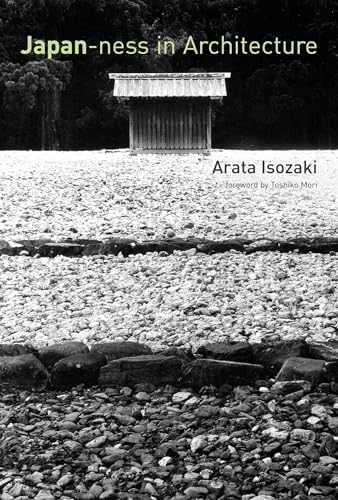
paperback. Condizione: Good. Bruise/tear to cover.
- Brossura
Da: ANARTIST, New York, NY, U.S.A.ANARTIST
Contatta il venditoreVenditore con 5 stelleCondizione: Usato
EUR 22,47
EUR 4,36 spedizioneSpedito in U.S.A.Quantità: 1 disponibili
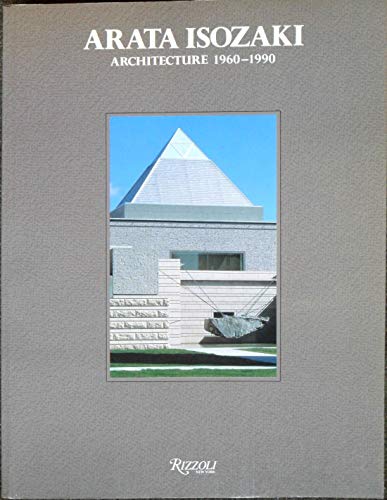
Softcover, 304 pages, very good condition, clean and crisp; no internal marks. Foreign shipping may be extra.

- Rilegato
Da: More Than Words, Waltham, MA, U.S.A.More Than Words
Contatta il venditoreVenditore con 5 stelleCondizione: Usato - Buono
EUR 23,46
EUR 3,48 spedizioneSpedito in U.S.A.Quantità: 1 disponibili
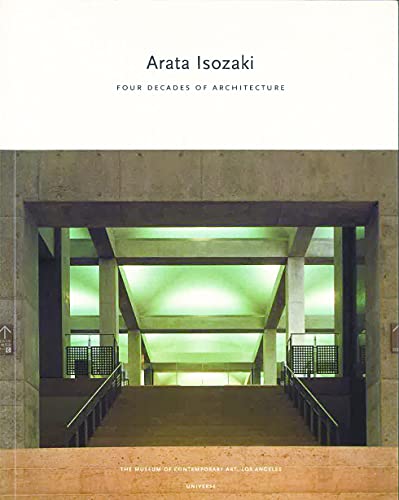
Condizione: Good. 9780979264429. good. All orders guaranteed and ship within 24 hours. Before placing your order for please contact us for confirmation on the book's binding. Check out our other listings to add to your order for discounted shipping.
- Brossura
Da: Hennessey + Ingalls, Los Angeles, CA, U.S.A.Hennessey + Ingalls
Contatta il venditoreVenditore con 4 stelleCondizione: Usato - Molto buono
EUR 22,47
EUR 5,67 spedizioneSpedito in U.S.A.Quantità: 1 disponibili
Trade Paperback. Condizione: Used - Very Good. Arata Isozaki is one of Japan's greatest architects and a commanding presence in international architecture, as demonstrated in such buildings as The Museum of Contemporary Art in Los Angeles (MOCA), the Disney Building in Lake Buena Vista, Florida, and the New Tokyo City Hall. From… the author of MOCA's 1991 Isozaki exhibition catalog comes this pioneering new book featuring twenty new projects, including the new designs for Toyonokuni Libraries for Cultural Resources and the Kyoto Concert Hall. All are illustrated with photographs, drawings and plans and analyzed by Isozaki himself. Very nice clean, tight copy free of any marks.
- Brossura
Da: Books From California, Simi Valley, CA, U.S.A.Books From California
Contatta il venditoreVenditore con 4 stelleCondizione: Usato - Ottimo
EUR 25,51
EUR 4,36 spedizioneSpedito in U.S.A.Quantità: 16 disponibili
Paperback. Condizione: Fine.
- Brossura
Da: Treehorn Books, Santa Rosa, CA, U.S.A.Treehorn Books
Contatta il venditoreVenditore con 4 stelleCondizione: Usato - Molto buono
EUR 26,97
EUR 3,49 spedizioneSpedito in U.S.A.Quantità: 1 disponibili
Softcover. Condizione: Very Good. No Dust Jacket. Mit Press; b and w photos; 6.06 X 0.74 X 9 inches; 376 pages.
- Brossura
Da: GreatBookPrices, Columbia, MD, U.S.A.GreatBookPrices
Contatta il venditoreVenditore con 5 stelleCondizione: Nuovo
EUR 33,16
EUR 2,30 spedizioneSpedito in U.S.A.Quantità: 2 disponibili
Condizione: New.
- Brossura
Da: Books Puddle, New York, NY, U.S.A.Books Puddle
Contatta il venditoreVenditore con 4 stelleCondizione: Nuovo
EUR 31,96
EUR 3,48 spedizioneSpedito in U.S.A.Quantità: 3 disponibili
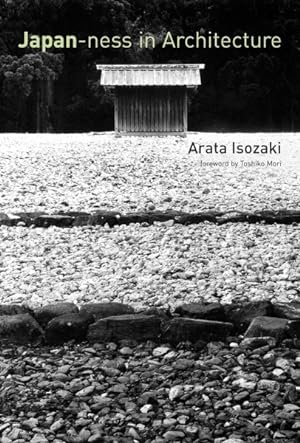
Condizione: New. pp. 376.
- Brossura
Da: GreatBookPrices, Columbia, MD, U.S.A.GreatBookPrices
Contatta il venditoreVenditore con 5 stelleCondizione: Usato - Come nuovo
EUR 34,42
EUR 2,30 spedizioneSpedito in U.S.A.Quantità: 2 disponibili
Condizione: As New. Unread book in perfect condition.
- Brossura
Da: INDOO, Avenel, NJ, U.S.A.INDOO
Contatta il venditoreVenditore con 5 stelleCondizione: Usato - Come nuovo
EUR 36,80
Spedizione gratuitaSpedito in U.S.A.Quantità: Più di 20 disponibili
Condizione: As New. Unread copy in mint condition.
- Brossura
Da: INDOO, Avenel, NJ, U.S.A.INDOO
Contatta il venditoreVenditore con 5 stelleCondizione: Nuovo
EUR 36,89
Spedizione gratuitaSpedito in U.S.A.Quantità: Più di 20 disponibili
Condizione: New. Brand New.

- Brossura
Da: Kennys Bookshop and Art Galleries Ltd., Galway, GY, IrlandaKennys Bookshop and Art Galleries Ltd.
Contatta il venditoreVenditore con 5 stelleCondizione: Nuovo
EUR 26,44
EUR 10,50 spedizioneSpedito da Irlanda a U.S.A.Quantità: 1 disponibili
Condizione: New. 2018. Illustrated. paperback. . . . . .

- Rilegato
- Prima edizione
Da: The Landing Party, Stone Mountain, GA, U.S.A.The Landing Party
Contatta il venditoreVenditore con 5 stelleCondizione: Usato - Come nuovo
EUR 35,96
EUR 5,24 spedizioneSpedito in U.S.A.Quantità: 1 disponibili
Hardcover. Condizione: As New. Condizione sovraccoperta: As New. 1st Edition. AS new in like dw.
- Brossura
Da: Kennys Bookstore, Olney, MD, U.S.A.Kennys Bookstore
Contatta il venditoreVenditore con 5 stelleCondizione: Nuovo
EUR 32,20
EUR 9,16 spedizioneSpedito in U.S.A.Quantità: 1 disponibili
Condizione: New. 2018. Illustrated. paperback. . . . . . Books ship from the US and Ireland.

- Brossura
Da: Springhead Books, Rochester, , Regno UnitoSpringhead Books
Contatta il venditoreVenditore con 5 stelleCondizione: Usato - Molto buono
EUR 21,30
EUR 19,59 spedizioneSpedito da Regno Unito a U.S.A.Quantità: 1 disponibili
Soft cover. Condizione: Very Good. One of Japan's leading architects examines notions of Japan-ness as exemplified by key events in Japanese architectural history from the seventh to the twentieth century; essays on buildings and their cultural context. xx, 349 pages : illustrations ; 23 cm. Slight shelf wear to edges, no inscri…ptions, tight and square binding. Photographs available on request. All books dispatched same or next working day in robust packaging.

- Brossura
Da: Rarewaves USA, OSWEGO, IL, U.S.A.Rarewaves USA
Contatta il venditoreVenditore con 5 stelleCondizione: Nuovo
EUR 42,75
Spedizione gratuitaSpedito in U.S.A.Quantità: Più di 20 disponibili
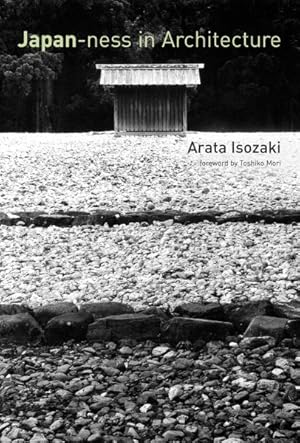
Paperback. Condizione: New. One of Japan's leading architects examines notions of Japan-ness as exemplified by key events in Japanese architectural history from the seventh to the twentieth century; essays on buildings and their cultural context.Japanese architect Arata Isozaki sees buildings not as dead objects but as events th…at encompass the social and historical context-not to be defined forever by their "everlasting materiality" but as texts to be interpreted and reread continually. In Japan-ness in Architecture, he identifies what is essentially Japanese in architecture from the seventh to the twentieth century. In the opening essay, Isozaki analyzes the struggles of modern Japanese architects, including himself, to create something uniquely Japanese out of modernity. He then circles back in history to find what he calls Japan-ness in the seventh-century Ise shrine, reconstruction of the twelfth-century Todai-ji Temple, and the seventeenth-century Katsura Imperial Villa. He finds the periodic ritual relocation of Ise's precincts a counter to the West's concept of architectural permanence, and the repetition of the ritual an alternative to modernity's anxious quest for origins. He traces the "constructive power" of the Todai-ji Temple to the vision of the director of its reconstruction, the monk Chogen, whose imaginative power he sees as corresponding to the revolutionary turmoil of the times. The Katsura Imperial Villa, with its chimerical spaces, achieved its own Japan-ness as it reinvented the traditional shoin style. And yet, writes Isozaki, what others consider to be the Japanese aesthetic is often the opposite of that essential Japan-ness born in moments of historic self-definition; the purified stylization-what Isozaki calls "Japanesquization"-lacks the energy of cultural transformation and reflects an island retrenchment in response to the pressure of other cultures.Combining historical survey, critical analysis, theoretical reflection, and autobiographical account, these essays, written over a period of twenty years, demonstrate Isozaki's standing as one of the world's leading architects and preeminent architectural thinkers.
- Rilegato
- Prima edizione
Da: Winged Monkey Books, Arlington, VA, U.S.A.Winged Monkey Books
Contatta il venditoreVenditore con 4 stelleCondizione: Usato
EUR 40,45
EUR 4,36 spedizioneSpedito in U.S.A.Quantità: 1 disponibili
First Edition. Hardcover in jacket, very good with light wear.

- Brossura
Da: Rarewaves.com USA, London, LONDO, Regno UnitoRarewaves.com USA
Contatta il venditoreVenditore con 5 stelleCondizione: Nuovo
EUR 45,91
Spedizione gratuitaSpedito da Regno Unito a U.S.A.Quantità: 1 disponibili
Paperback. Condizione: New. One of Japan's leading architects examines notions of Japan-ness as exemplified by key events in Japanese architectural history from the seventh to the twentieth century; essays on buildings and their cultural context.Japanese architect Arata Isozaki sees buildings not as dead objects but as events th…at encompass the social and historical context-not to be defined forever by their "everlasting materiality" but as texts to be interpreted and reread continually. In Japan-ness in Architecture, he identifies what is essentially Japanese in architecture from the seventh to the twentieth century. In the opening essay, Isozaki analyzes the struggles of modern Japanese architects, including himself, to create something uniquely Japanese out of modernity. He then circles back in history to find what he calls Japan-ness in the seventh-century Ise shrine, reconstruction of the twelfth-century Todai-ji Temple, and the seventeenth-century Katsura Imperial Villa. He finds the periodic ritual relocation of Ise's precincts a counter to the West's concept of architectural permanence, and the repetition of the ritual an alternative to modernity's anxious quest for origins. He traces the "constructive power" of the Todai-ji Temple to the vision of the director of its reconstruction, the monk Chogen, whose imaginative power he sees as corresponding to the revolutionary turmoil of the times. The Katsura Imperial Villa, with its chimerical spaces, achieved its own Japan-ness as it reinvented the traditional shoin style. And yet, writes Isozaki, what others consider to be the Japanese aesthetic is often the opposite of that essential Japan-ness born in moments of historic self-definition; the purified stylization-what Isozaki calls "Japanesquization"-lacks the energy of cultural transformation and reflects an island retrenchment in response to the pressure of other cultures.Combining historical survey, critical analysis, theoretical reflection, and autobiographical account, these essays, written over a period of twenty years, demonstrate Isozaki's standing as one of the world's leading architects and preeminent architectural thinkers.

Editore: MIT, Cambridge, Mass 2011
- Brossura
- Prima edizione
Da: BIBLIOPE by Calvello Books, Oakland, CA, U.S.A.BIBLIOPE by Calvello Books
Contatta il venditoreVenditore con 4 stelleCondizione: Usato - Quasi ottimo
EUR 29,66
EUR 4,36 spedizioneSpedito in U.S.A.Quantità: 1 disponibili
Paperback. Condizione: Near fine. 1st MIT Press pbk. ed. Octavo with black and white pictorial wraps; xx, 349 pages: illustrations; index; 23 cm. "One of Japan's leading architects examines notions of Japan-ness as exemplified by key events in Japanese architectural history from the seventh to the twentieth century; essays on bu…ildings and their cultural context."--Publisher's description. " Contents:Part 1: Japan-ness in Architecture; Part 2: A Mimicry of Origin: Emperor Tenmu's Ise Jingu; Part 3: Construction of the Pure Land (Jodo): Chogen's Rebuilding of Todai-ji; Part 4: A Diagonal Strategy: Katsura as Envisioned by "Enshu Taste"; Glossary; Notes; Index. Near fine; with lightest edgewear to wraps; clean, bright and tight.

- Rilegato
Da: Lost Time Books, Brattleboro, VT, U.S.A.Lost Time Books
Contatta il venditoreVenditore con 5 stelleCondizione: Usato - Quasi ottimo
EUR 44,95
EUR 6,10 spedizioneSpedito in U.S.A.Quantità: 1 disponibili
hardcover. Condizione: Near Fine. Near Fine. Hardcover with dust jacket. NF/NF. Excellent condition with minimal wear. Date/place in ink on the half-title page. The text is clean.
- Brossura
Da: Chiron Media, Wallingford, , Regno UnitoChiron Media
Contatta il venditoreVenditore con 5 stelleCondizione: Nuovo
EUR 33,61
EUR 17,85 spedizioneSpedito da Regno Unito a U.S.A.Quantità: 2 disponibili
paperback. Condizione: New.
- Brossura
Da: Biblios, frankfurt am main, HESSE, GermaniaBiblios
Contatta il venditoreVenditore con 4 stelleCondizione: Nuovo
EUR 40,97
EUR 9,95 spedizioneSpedito da Germania a U.S.A.Quantità: 3 disponibili
Condizione: New. pp. 376.
- Brossura
Da: GreatBookPricesUK, Woodford Green, Regno UnitoGreatBookPricesUK
Contatta il venditoreVenditore con 5 stelleCondizione: Nuovo
EUR 34,69
EUR 17,28 spedizioneSpedito da Regno Unito a U.S.A.Quantità: 2 disponibili
Condizione: New.
- Brossura
Da: Ria Christie Collections, Uxbridge, Regno UnitoRia Christie Collections
Contatta il venditoreVenditore con 5 stelleCondizione: Nuovo
EUR 38,67
EUR 13,80 spedizioneSpedito da Regno Unito a U.S.A.Quantità: 2 disponibili
Condizione: New. In.
- Brossura
Da: Revaluation Books, Exeter, , Regno UnitoRevaluation Books
Contatta il venditoreVenditore con 5 stelleCondizione: Nuovo
EUR 39,16
EUR 14,40 spedizioneSpedito da Regno Unito a U.S.A.Quantità: 1 disponibili
Paperback. Condizione: Brand New. 371 pages. 9.00x6.00x0.75 inches. In Stock.
- Brossura
Da: GreatBookPricesUK, Woodford Green, Regno UnitoGreatBookPricesUK
Contatta il venditoreVenditore con 5 stelleCondizione: Usato - Come nuovo
EUR 39,09
EUR 17,28 spedizioneSpedito da Regno Unito a U.S.A.Quantità: 2 disponibili
Condizione: As New. Unread book in perfect condition.
- Brossura
Da: Revaluation Books, Exeter, , Regno UnitoRevaluation Books
Contatta il venditoreVenditore con 5 stelleCondizione: Nuovo
EUR 44,44
EUR 14,40 spedizioneSpedito da Regno Unito a U.S.A.Quantità: 1 disponibili
Paperback. Condizione: Brand New. 371 pages. 9.00x6.00x0.75 inches. In Stock.

- Rilegato
Da: monobooks, Waterford, MI, U.S.A.monobooks
Contatta il venditoreVenditore con 5 stelleCondizione: Nuovo
EUR 58,43
EUR 3,93 spedizioneSpedito in U.S.A.Quantità: 1 disponibili
Hardcover. Condizione: New. Condizione sovraccoperta: As New. 1st US edition. First US edition 1991, first printing, no additional printings listed. Hardcover in full cloth with DJ. Condition new, square tight and crisp book, no edgewear, no markings of any kind, no names no underlinings no highlights no bent page corners, not a… reminder. DJ as new, bright and shiny, no tears no chips, no edgewear, Not clipped. 4to, 304 pages , illustrated throughout. Large and heavy book will require additional postage for priority or international orders.

- Rilegato
- Prima edizione
Da: MW Books, New York, NY, U.S.A.MW Books
Contatta il venditoreVenditore con 5 stelleCondizione: Usato
EUR 65,71
Spedizione gratuitaSpedito in U.S.A.Quantità: 1 disponibili
First Edition. Fine cloth copy in a fine dust-wrapper. Well-preserved overall. Physical description; xx, 349 pages : illustrations ; 23 cm. Notes; Translated from the Japanese. Subjects; Isozaki, Arata (1931-2022). Architecture Japan. Architecture, Japanese. Architecture Philosophy. 3 Kg.


