Importo totale (1 articolo articoli):
Destinazione ordine:

schofield h driver (4 risultati)
Vai alla pagina principale dei risultati di ricerca
Filtri di ricerca
Tipo di articolo
- Tutti i tipi di prodotto
- Libri (4)
- Riviste e Giornali (Nessun altro risultato corrispondente a questo perfezionamento)
- Fumetti (Nessun altro risultato corrispondente a questo perfezionamento)
- Spartiti (Nessun altro risultato corrispondente a questo perfezionamento)
- Arte, Stampe e Poster (Nessun altro risultato corrispondente a questo perfezionamento)
- Fotografie (Nessun altro risultato corrispondente a questo perfezionamento)
- Mappe (Nessun altro risultato corrispondente a questo perfezionamento)
- Manoscritti e Collezionismo cartaceo (Nessun altro risultato corrispondente a questo perfezionamento)
Condizioni Maggiori informazioni
- Nuovo (2)
- Come nuovo, Ottimo o Quasi ottimo (Nessun altro risultato corrispondente a questo perfezionamento)
- Molto buono o Buono (2)
- Discreto o Mediocre (Nessun altro risultato corrispondente a questo perfezionamento)
- Come descritto (Nessun altro risultato corrispondente a questo perfezionamento)
Legatura
Ulteriori caratteristiche
- Prima ed. (Nessun altro risultato corrispondente a questo perfezionamento)
- Copia autograf. (Nessun altro risultato corrispondente a questo perfezionamento)
- Sovracoperta (Nessun altro risultato corrispondente a questo perfezionamento)
- Con foto (3)
- Non Print on Demand (3)
Lingua (2)
Spedizione gratuita
- Spedizione gratuita in U.S.A. (Nessun altro risultato corrispondente a questo perfezionamento)
Paese del venditore
Valutazione venditore
-
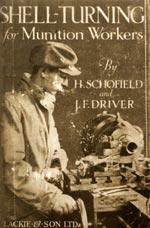
SHELL-TURNING FOR MUNITION WORKERS, 1916
Da: Naval and Military Press Ltd, Uckfield, Regno Unito
Valutazione del venditore 4 su 5 stelle

EUR 5,37
Spedizione EUR 16,77
Spedito da Regno Unito a U.S.A.Quantità: 10 disponibili
Aggiungi al carrelloCondizione: New. 2008. N & M Press reprint of 1916 original edition. SB. 55pp + BW plates Above all, shells were the weapons that won the Great War. After the great âshell shortageâ scandal of 1915, the Government grasped the need to manufacture munitions of a mass basis, and thousands of workers â" most of them women â" were recruited into the great munitions factories turning out the ordnance that eventually wore down the enemy. This book, written by two engineers and illustrated with photos and diagrams is an instruction manual for such workers, which tells the story, in plain language, of the production process that turned the raw components of iron, steel, brass, glycerine and explosive into deadly HE, shrapnel and gas shells for those who could not originally tell one end of a lathe from the other.
-

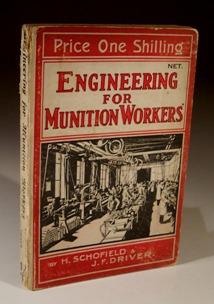
Engineering for Munition Workers
Editore: Simkin Marshall Hamilton, London, 1916
Da: WORLD WAR BOOKS, TUNBRIDGE WELLS, Regno Unito
Membro dell'associazione: PBFA
Valutazione del venditore 5 su 5 stelle

EUR 53,62
Spedizione EUR 14,86
Spedito da Regno Unito a U.S.A.Quantità: 1 disponibili
Aggiungi al carrelloHardcover. Condizione: Good+. No Jacket. 2nd Edition. Hardback. Original example of this scarece reference on Engineering for Munitions workers in the Great War. 2nd Edition 1916. 94pp., ills., diagrams in text, index. Pages browning and new spine with illustrated boards neatly laid on. Ownership name from 1920. Overall good+ condition.
-
Engineering for Munition Workers
Editore: Simpkin Marshall, Hamilton Kent, London, 1916
Da: Wadard Books PBFA, Farningham, KENT, Regno Unito
Membro dell'associazione: PBFA
Valutazione del venditore 4 su 5 stelle
EUR 137,02
Spedizione EUR 24,29
Spedito da Regno Unito a U.S.A.Quantità: 1 disponibili
Aggiungi al carrelloBoards. Condizione: Good. Seccond Edition. A handbook no doubt issued to those semi skilled trainee volunteers so urgently needed in the First World War munitions industry. 94pp plus index with black and white plates. Scarce.
-

EUR 15,63
Spedizione EUR 48,99
Spedito da Germania a U.S.A.Quantità: Più di 20 disponibili
Aggiungi al carrelloCondizione: New. Dieser Artikel ist ein Print on Demand Artikel und wird nach Ihrer Bestellung fuer Sie gedruckt. KlappentextrnrnAbove all, shells were the weapons that won the Great War. After the great shell shortage scandal of 1915, the Government grasped the need to manufacture munitions of a mass basis, and thousands of workers - most of them women -.