Importo totale (1 articolo articoli):
Destinazione ordine:

ward colin crouch david (17 risultati)
Vai alla pagina principale dei risultati di ricerca
Filtri di ricerca
Tipo di articolo
- Tutti i tipi di prodotto
- Libri (17)
- Riviste e Giornali (Nessun altro risultato corrispondente a questo perfezionamento)
- Fumetti (Nessun altro risultato corrispondente a questo perfezionamento)
- Spartiti (Nessun altro risultato corrispondente a questo perfezionamento)
- Arte, Stampe e Poster (Nessun altro risultato corrispondente a questo perfezionamento)
- Fotografie (Nessun altro risultato corrispondente a questo perfezionamento)
- Mappe (Nessun altro risultato corrispondente a questo perfezionamento)
- Manoscritti e Collezionismo cartaceo (Nessun altro risultato corrispondente a questo perfezionamento)
Condizioni Maggiori informazioni
- Nuovo (8)
- Come nuovo, Ottimo o Quasi ottimo (3)
- Molto buono o Buono (3)
- Discreto o Mediocre (Nessun altro risultato corrispondente a questo perfezionamento)
- Come descritto (3)
Legatura
Ulteriori caratteristiche
Lingua (2)
Spedizione gratuita
Paese del venditore
Valutazione venditore
-

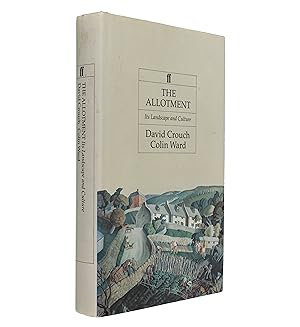
The Allotment : Its Landscape and Culture
Da: Better World Books Ltd, Dunfermline, Regno Unito
Valutazione del venditore 5 su 5 stelle

EUR 5,58
Spedizione EUR 5,79
Spedito da Regno Unito a U.S.A.Quantità: 1 disponibili
Aggiungi al carrelloCondizione: Very Good. Former library copy. Pages intact with possible writing/highlighting. Binding strong with minor wear. Dust jackets/supplements may not be included. Includes library markings. Stock photo provided. Product includes identifying sticker. Better World Books: Buy Books. Do Good.
-
EUR 20,15
Spedizione EUR 2,28
Spedito in U.S.A.Quantità: Più di 20 disponibili
Aggiungi al carrelloCondizione: As New. Unread book in perfect condition.
-
EUR 22,12
Spedizione EUR 2,28
Spedito in U.S.A.Quantità: Più di 20 disponibili
Aggiungi al carrelloCondizione: New.
-

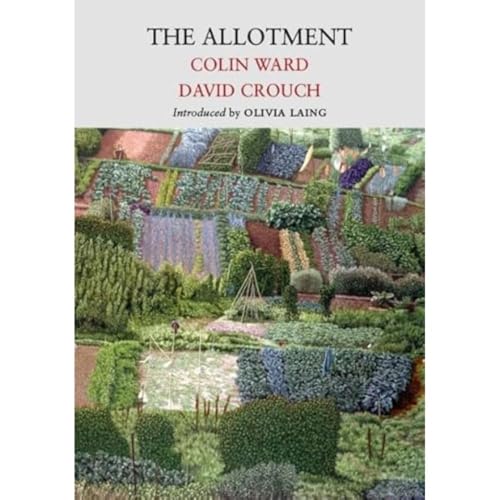
The Allotment
Da: Rarewaves.com USA, London, LONDO, Regno Unito
Valutazione del venditore 5 su 5 stelle
EUR 24,47
Spedizione gratuita
Spedito da Regno Unito a U.S.A.Quantità: Più di 20 disponibili
Aggiungi al carrelloPaperback. Condizione: New. Allotments are sanctuaries for growing, often on the fringes of suburbia, where life is getting ever more stressful and expensive. Here, a simple urge to grow-your-own or become self-sufficient, brings us closer to a community of people, wildlife and plants that are often more diverse than the cities and towns that surround them. An allotment is a utopia. It is a green place where anyone can occupy a piece of land, and grow with freedom of expression. Allotmenteering started with The Diggers in seventeenth-century Surrey, in response to the Enclosure Acts which deprived ordinary people of access to land. But the idea spread, first across England and the British Isles, then through Europe and the world. 'The Allotment', originally published in 1988, is the classic study of allotments. Encompassing the oral recordings of plot-holders alongside descriptions of regional variations on the plot itself, such as pigeon-fancying, seed collecting or leek competitions, it looks at British society and history through the prism of allotments. With a new introduction by Olivia Laing, this is a story that is just as relevant today, and is essential for those interested in social history, land ownership and gardening in twenty-first century Britain.
-
The Allotment
Da: PBShop.store UK, Fairford, GLOS, Regno Unito
Valutazione del venditore 5 su 5 stelle
EUR 21,40
Spedizione EUR 5,81
Spedito da Regno Unito a U.S.A.Quantità: 15 disponibili
Aggiungi al carrelloPAP. Condizione: New. New Book. Shipped from UK. Established seller since 2000.
-
Little Toller Books The Allotment.
Da: Majestic Books, Hounslow, Regno Unito
Valutazione del venditore 4 su 5 stelle

EUR 20,23
Spedizione EUR 7,52
Spedito da Regno Unito a U.S.A.Quantità: 3 disponibili
Aggiungi al carrelloCondizione: New.
-
Little Toller Books The Allotment.
Da: Books Puddle, New York, NY, U.S.A.
Valutazione del venditore 4 su 5 stelle
Condizione: New.
-

The Allotment: Its Landscape and Culture
Da: SN Books Ltd, Thetford, Regno Unito
Valutazione del venditore 5 su 5 stelle
EUR 20,01
Spedizione EUR 17,36
Spedito da Regno Unito a U.S.A.Quantità: 2 disponibili
Aggiungi al carrellohardcover. Condizione: Very Good. Orders shipped daily from the UK. Professional seller.
-
Little Toller Books The Allotment.
Da: Biblios, Frankfurt am main, HESSE, Germania
Valutazione del venditore 4 su 5 stelle
EUR 27,22
Spedizione EUR 9,95
Spedito da Germania a U.S.A.Quantità: 3 disponibili
Aggiungi al carrelloCondizione: New.
-
The Allotment
Da: GreatBookPricesUK, Woodford Green, Regno Unito
Valutazione del venditore 5 su 5 stelle
EUR 21,39
Spedizione EUR 17,36
Spedito da Regno Unito a U.S.A.Quantità: 17 disponibili
Aggiungi al carrelloCondizione: New.
-
The Allotment
Da: GreatBookPricesUK, Woodford Green, Regno Unito
Valutazione del venditore 5 su 5 stelle
EUR 22,49
Spedizione EUR 17,36
Spedito da Regno Unito a U.S.A.Quantità: 17 disponibili
Aggiungi al carrelloCondizione: As New. Unread book in perfect condition.
-
The Allotment Its Landscape and Culture Signed
Da: David Ford Books PBFA, Cley-next-the-Sea, Regno Unito
Membro dell'associazione: PBFA
Valutazione del venditore 5 su 5 stelle
Prima edizione Copia autografata
EUR 23,84
Spedizione EUR 34,72
Spedito da Regno Unito a U.S.A.Quantità: 1 disponibili
Aggiungi al carrelloFine. Rich in local history and anecdote and exploring regional variations. Hardcover book , Review copy with slip. 1st Edition, xiv, 322pp, 8 illustrations. Signed by the author Colin Ward A near Fine copy in near Fine dust jacket. Very light tanning to pages. Pictures available.
-

The Allotment: Its Landscape and Culture
Editore: Faber & Faber, 1989
Da: BookstoYou, Hay-on-Wye, HEREF, Regno Unito
Valutazione del venditore 5 su 5 stelle
EUR 22,23
Spedizione EUR 18,52
Spedito da Regno Unito a U.S.A.Quantità: 1 disponibili
Aggiungi al carrellohardcover. Condizione: Very Good. Condizione sovraccoperta: Includes dust jacket. Secondhand. Front endpaper neatly removed. Clean pages, lightly tanned. Dust jacket shows light shelf wear. Very good book.
-

EUR 21,90
Spedizione EUR 75,23
Spedito da Regno Unito a U.S.A.Quantità: Più di 20 disponibili
Aggiungi al carrelloPaperback. Condizione: New. Allotments are sanctuaries for growing, often on the fringes of suburbia, where life is getting ever more stressful and expensive. Here, a simple urge to grow-your-own or become self-sufficient, brings us closer to a community of people, wildlife and plants that are often more diverse than the cities and towns that surround them. An allotment is a utopia. It is a green place where anyone can occupy a piece of land, and grow with freedom of expression. Allotmenteering started with The Diggers in seventeenth-century Surrey, in response to the Enclosure Acts which deprived ordinary people of access to land. But the idea spread, first across England and the British Isles, then through Europe and the world. 'The Allotment', originally published in 1988, is the classic study of allotments. Encompassing the oral recordings of plot-holders alongside descriptions of regional variations on the plot itself, such as pigeon-fancying, seed collecting or leek competitions, it looks at British society and history through the prism of allotments. With a new introduction by Olivia Laing, this is a story that is just as relevant today, and is essential for those interested in social history, land ownership and gardening in twenty-first century Britain.
-
The Allotment Its Landscapes and Culture
Lingua: Inglese
Editore: Faber & Faber, London, 1988
Da: valley books, Holton, SUFFO, Regno Unito
Valutazione del venditore 5 su 5 stelle
Prima edizione
EUR 113,25
Spedizione EUR 10,76
Spedito da Regno Unito a U.S.A.Quantità: 1 disponibili
Aggiungi al carrelloHardcover. Condizione: Fine. Condizione sovraccoperta: Near Fine. 1st Edition. 322pp with 8pp b&w plates. John Pilgrim's copy. Rare.
-
The Allotment; Its Landscape and Culture
Editore: Faber 1988, 1988
Da: Peter J. Hadley Bookseller BA, Ludlow, Regno Unito
Membro dell'associazione: ABA ILAB
Valutazione del venditore 4 su 5 stelle
Prima edizione
EUR 35,76
Spedizione EUR 28,88
Spedito da Regno Unito a U.S.A.Quantità: 1 disponibili
Aggiungi al carrelloPaper browned (poor quality) else VG bright tight copy in publishers cloth in like dustjacket. 1st edition. ISBN 0571150101.
-
The Allotment. Its landscape and culture.
Editore: Faber & Faber. 1988, 1988
Da: Jarndyce, The 19th Century Booksellers, London, Regno Unito
Membro dell'associazione: ABA ILAB PBFA
Valutazione del venditore 4 su 5 stelle
Prima edizione
EUR 112,05
Spedizione EUR 40,51
Spedito da Regno Unito a U.S.A.Quantità: 1 disponibili
Aggiungi al carrelloFIRST EDITION. Half title; sl. toned. Orig. grey cloth; light mark to front board. Pictorial d.w., unclipped; lightly marked & creased. Neat contemp. gift inscription to leading f.e.p. 'My dear Clare, I hope this book spurs you into action and provides you with a role model while you toil! All my love, Jan'. A nice copy. David Crouch is Professor of Cultural Geography, Humanities Department, Arts and Design at the University of Derby. Colin Ward, 1924-2010, wrote extensively on education, architecture and town planning, and has been described as 'one of the greatest anarchist thinkers of the past half century, and a pioneering social historian'. This history of allotments and their regional variations is riveting and thought-provoking. It sets out to question the image of the 'cloth-capped plot-holder' and ends by exploring what it means to have access to the landscape.